



A European Blueprint for Safer Streets: The Impact of Reduced Speed Limits
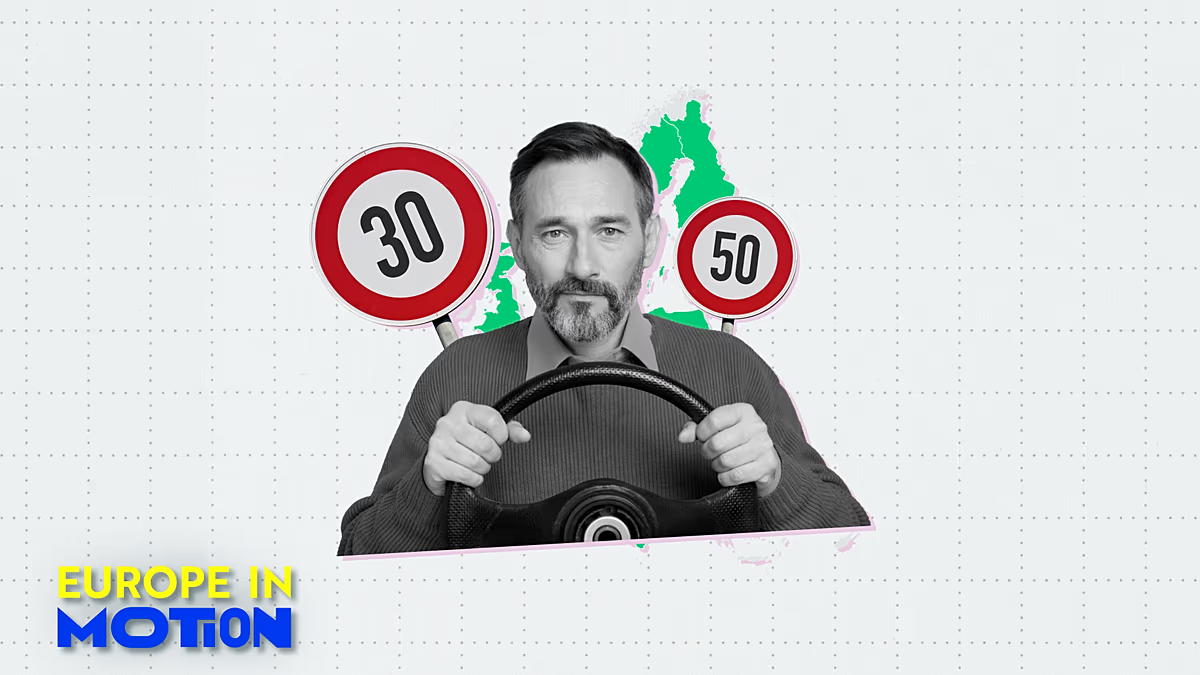
Across the bustling urban landscapes of Europe, a quiet revolution in traffic safety is proving remarkably effective. A comprehensive new survey by Eurocities reveals that lower speed limits, particularly the widespread adoption of 30 km/h zones, are directly saving lives and reducing injuries without the oft-predicted side effect of grinding cities to a halt. The study, which gathered responses from 38 cities across 19 countries including France, Spain, and Germany, offers robust evidence that calmer streets are achievable. This data-driven shift in urban planning is providing critical momentum toward the European Union’s ambitious “Vision Zero” goal: the complete elimination of road deaths by 2050. Rather than applying a blunt, city-wide mandate, the most successful municipalities have taken a strategic, localized approach, prioritizing slower speeds in sensitive areas like residential neighborhoods, school zones, and historic centres, with over half of the surveyed cities now maintaining limits below 50 km/h on most of their road networks.
The Stark Toll of Speed and the Proven Path to Safety
The urgent need for this transformation is underscored by grim statistics. Preliminary figures indicate nearly 19,400 lives were lost on European roads in a single year, with car occupants accounting for 44% of these fatalities. Beyond the immeasurable human tragedy, the European Commission estimates the economic cost of these crashes at a staggering 2% of the EU’s GDP annually, a figure that encompasses not just property damage but lifelong consequences like permanent disability, chronic pain, and lost livelihoods for survivors. Against this backdrop, the Eurocities findings offer a powerful beacon of hope. The survey demonstrates that more than 90% of cities implementing lower speeds witnessed tangible improvements in road safety. Authorities reported measurable declines in accidents, fatalities, and serious injuries for everyone sharing the road—from drivers and cyclists to pedestrians. These safer streets also brought welcome quality-of-life benefits, including reduced vehicle noise and calmer traffic flow.
Debunking the Congestion Myth: Smoother Journeys on Safer Roads
A common criticism of lower speed limits is the assumption that they inevitably create worse traffic snarls, longer commutes, and higher economic costs from congestion. The Eurocities report, however, found no evidence to support this fear. The data showed “no overall negative effects on congestion, traffic volumes or journey times” following the implementation of 30 km/h zones. Impacts on public transport were noted as limited and entirely manageable. This suggests that the relationship between speed and traffic flow is more nuanced than commonly believed; consistently calmer and more predictable speeds can reduce the stop-start chaos caused by sudden braking and high-speed merging, potentially leading to smoother overall traffic movement. The primary benefit remains the dramatic increase in safety, as lower speeds dramatically increase a driver’s ability to react and stop, turning potential fatal collisions into survivable incidents.
Navigating Resistance: The Journey from Skepticism to Support
Implementing these life-saving policies has not been without its challenges. The survey candidly notes that during the planning and rollout phases, nearly half of the cities faced political opposition, while more than a third encountered resistance from segments of the public. Concerns often stemmed from misconceptions about congestion and journey times, or a simple resistance to change. Yet, the report highlights a crucial and encouraging trend: this resistance is often temporary. After implementation, 65% of the surveyed cities observed no significant setbacks, and both political and public pushback dropped markedly. This shift in sentiment points to the persuasive power of lived experience over hypothetical drawbacks.
The Power of Experience: How Calmer Streets Win Hearts and Minds
The fading resistance underscores a pivotal insight: people quickly adapt to and appreciate the tangible benefits of safer urban environments. As Michele Campaniello, chair of the Eurocities Task Force on 30km/h, observed, “Once people experience the benefits of safer, calmer streets, support grows quickly, and resistance fades.” Residents begin to notice children playing more freely, the return of birdsong over engine roar, and the newfound ability to cross streets without anxiety. Cyclists and pedestrians feel a greater sense of security, encouraging more active and sustainable modes of transport. This virtuous cycle transforms the policy from a top-down regulation into a welcomed community asset, fostering broader public buy-in for future urban safety initiatives.
A Clear Path Forward for Global Cities
The Eurocities survey delivers a compelling, evidence-based case for rethinking urban speed. It demonstrates that strategically lowering speed limits is a highly effective, low-cost intervention that saves lives, prevents life-altering injuries, and enhances urban livability—all without sacrificing functional mobility. For city planners and policymakers worldwide, the European experience provides a proven blueprint. It shows that success lies in thoughtful, phased implementation focused on vulnerable areas, coupled with clear communication about the safety benefits. As cities globally grapple with the goals of reducing emissions, promoting active travel, and eliminating traffic fatalities, the message from Europe is clear: slower speeds are a fundamental and indispensable step toward building safer, healthier, and more humane cities for everyone.