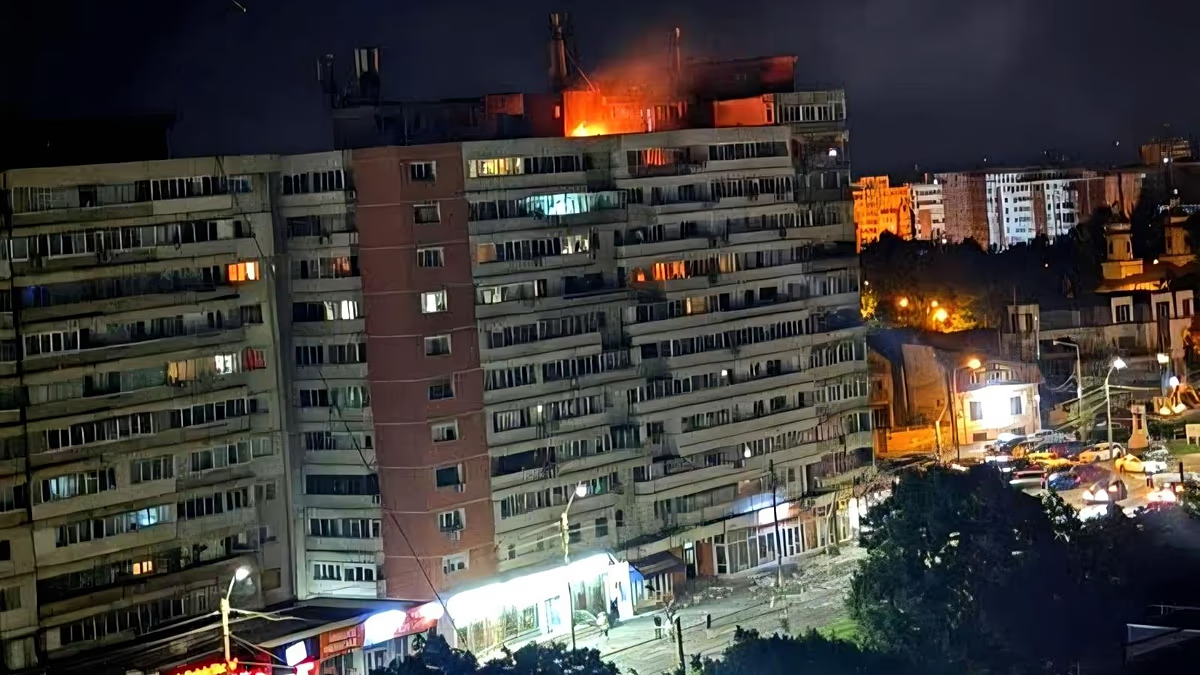



In a stark warning that casts a long shadow over Europe’s ongoing security crisis, Ukrainian President Volodymyr Zelenskyy has alerted the world that Russia appears to be preparing a new, large-scale offensive. Speaking through a social media post late on Friday, President Zelenskyy shared unsettling intelligence, stating plainly, “We have intel indicating that Russia is preparing a new massive attack.” His message was dual-purpose: it was a call for international vigilance and a direct plea to Ukrainian citizens to remain cautious, advising them to heed air raid sirens and prioritize their safety. He sought to reassure the public by praising the relentless efforts of Ukraine’s air force, noting they would be “working around the clock, as always,” but the underlying tone was one of grave concern. This alert did not emerge from a vacuum; it follows an intensely violent barrage against the Kyiv region just last weekend, which laid the grim groundwork for this new warning.
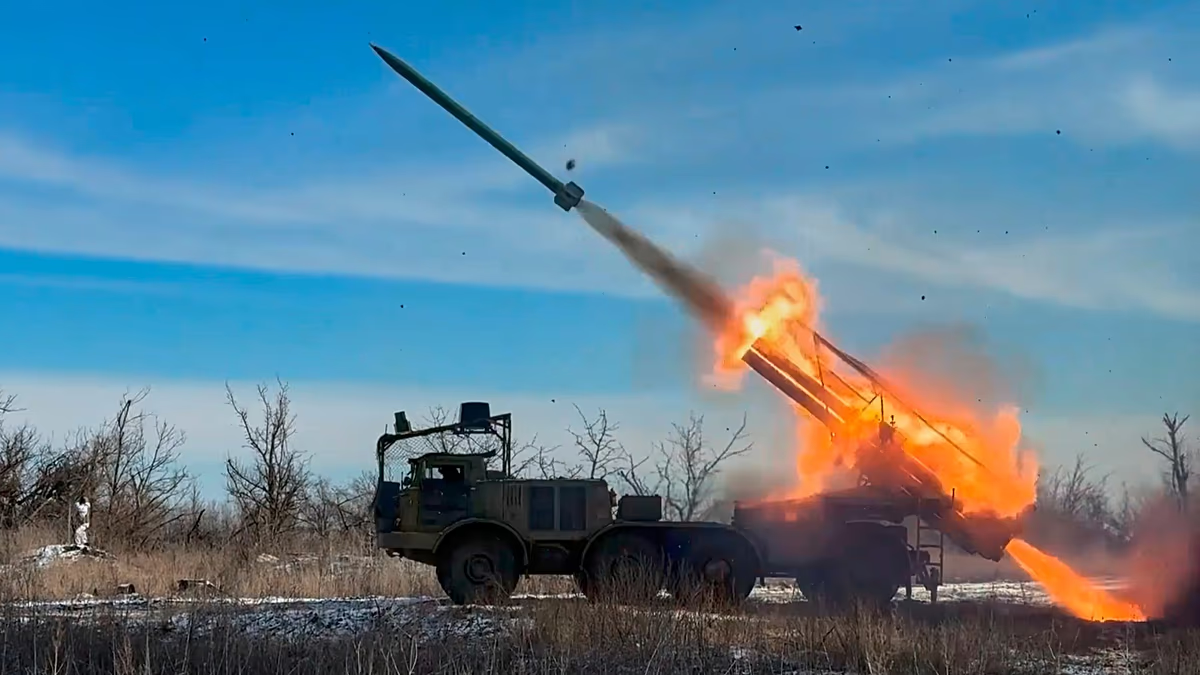
The context for this heightened alarm is found in the devastating tactics Russia employed in its recent strikes. Last weekend’s assault was notable not just for its scale—involving 90 missiles and 600 drones, according to Ukrainian officials—but for a dangerous escalation in weaponry. Among the arsenal was Russia’s nuclear-capable Oreshnik, an intermediate-range ballistic missile. This weapon, first used against the city of Dnipro in 2024, represents a significant step-up in destructive potential and strategic threat. Its deployment in a massive wave of attacks has rightly drawn sharp condemnation from leaders across Europe, who view it as a reckless and destabilizing act that brings the specter of broader conflict closer to reality. The use of such a system underscores a chilling pattern of Russia testing and expanding the boundaries of conventional warfare, making President Zelenskyy’s warnings about future “massive” attacks all the more credible and urgent.
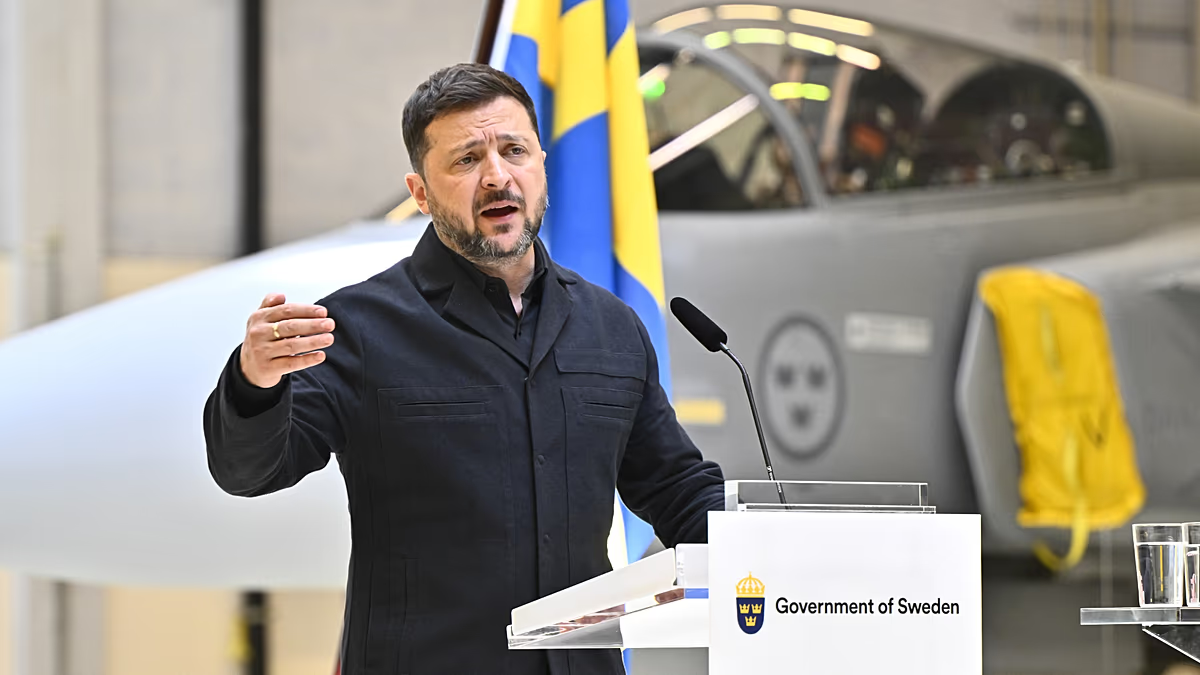
Confronted with this escalating threat, President Zelenskyy’s strategy has been twofold: to fortify Ukraine’s defenses and to persistently rally international support. Central to this effort is his urgent appeal for more advanced air defense systems, specifically the American-made Patriot missile system. The Patriot is a sophisticated piece of technology designed to intercept a wide array of threats, including ballistic missiles like the Oreshnik, cruise missiles, drones, and aircraft. It has become a vital shield for Ukrainian cities and infrastructure. In Sweden on Thursday, President Zelenskyy was frank about his diplomatic efforts, telling reporters he was being “very persistent” in his pursuit of these critical defenses. His persistence is born of dire necessity, as each new Russian missile volley demonstrates the life-saving difference these systems make.
The depth of this need was poignantly captured in a personal appeal President Zelenskyy made to U.S. President Donald Trump earlier this week. In a letter, he articulated a sentiment that cuts to the heart of Ukraine’s struggle: “For us — for a nation fighting for its survival — there is hardly anything more painful to see than Patriot batteries with no missiles loaded.” This powerful statement transcends political request; it is a human cry from a leader watching his country endure daily bombardment. It frames the conflict not in abstract terms of military aid, but in the tangible, agonizing reality of having a defense system but lacking the ammunition to make it function. This appeal highlights the critical gap between receiving hardware and maintaining a fully operational, sustainable defense against a relentless adversary.
As the situation grows more perilous, the international community faces a moment of consequential decision. President Zelenskyy’s warnings and requests are not merely about the next shipment of weapons; they are about shaping the immediate future of European security and the survival of a sovereign nation. The reported preparations for a new Russian massive attack suggest that the war is entering a potentially even more destructive phase, one where advanced ballistic missiles could become commonplace. The response from allies, particularly in supplying and replenishing advanced air defense systems like the Patriots, will directly influence how much devastation Ukraine can prevent and how many lives can be saved. The clock is ticking, and the alerts from Kyiv are a sobering reminder that the stakes could not be higher.
Ultimately, this moment transcends geopolitics; it is a human story of resilience under fire. President Zelenskyy’s late-night social media post, urging citizens to listen for sirens, is a haunting snapshot of life in wartime. Behind the intelligence reports and diplomatic letters are millions of people who must sleep with one ear open, ready to flee to shelters. The dedication of the air force working “around the clock” speaks to the extraordinary burden carried by those defending the skies. The conflict, now symbolized by threats of “massive” new attacks and the urgent hunt for Patriot missiles, remains a brutal test of endurance. The world’s support, or lack thereof, will be measured not just in political headlines, but in the faces of those who look to the sky each day, hoping the next alarm is just a drill.