


The year 2022 began with a profound shock to the transatlantic alliance, one that reverberated from the halls of Washington to the cobblestone streets of Copenhagen. In a move that seemed to pluck a geopolitical fantasy from the history books, then-President Donald Trump publicly expressed a desire to purchase the autonomous Danish territory of Greenland. To the United States, this vast Arctic island represented untapped mineral resources and crucial strategic positioning in a rapidly changing polar region. To Denmark and the rest of Europe, however, the proposition was not a serious business offer but a brazen and disrespectful affront to the sovereignty of a steadfast ally. The Danish government, led by Prime Minister Mette Frederiksen, was left stunned and scrambling, forced to draft contingency plans for what had previously been unthinkable: a potential coercive action by its most powerful NATO partner against its own territory. This episode did more than cause diplomatic offense; it planted a deep seed of doubt about the reliability and intentions of the American leadership, casting a long shadow over the trust that forms the bedrock of the NATO alliance.
This trust was strained to its breaking point just weeks later, in February, when the United States, in concert with Israel, launched a military offensive against Iran. The operation placed European allies in an acutely difficult position. Many, including key EU powers, viewed the action as a dangerous escalation that risked igniting a wider regional conflagration. Consequently, when Washington requested support—such as the use of Spanish airbases or the deployment of European naval vessels to help secure the vital Strait of Hormuz—the response was a resounding and collective refusal. Madrid and others declined, prioritizing regional stability and their own diplomatic channels with Iran over unquestioning alignment with U.S. strategy. This stark divide on a major military intervention highlighted a growing chasm in strategic priorities, transforming the Greenland affair from a bizarre incident into part of a worrying pattern of American unilateralism that left European capitals feeling sidelined and apprehensive.
The rift deepened throughout the spring, threatening the very foundation of the post-war international order. In April, President Trump openly floated the possibility of the United States withdrawing from the NATO alliance itself, treating the mutual defense pact as a transactional burden rather than a sacred covenant. This was followed in early May by the sudden order to withdraw approximately 5,000 American troops from their long-standing bases in Germany, a move interpreted as both a punishment for Berlin and a symbol of a broader American retreat from its role as the guarantor of European security. For nations that had relied on the U.S. security umbrella for generations, these were not mere policy shifts but existential tremors. The alliance appeared to be fracturing from within, paralyzed by internal discord at a moment of global tension. It was against this backdrop of acrimony and uncertainty that the stage was set for a crucial summit in The Hague, scheduled for late June.
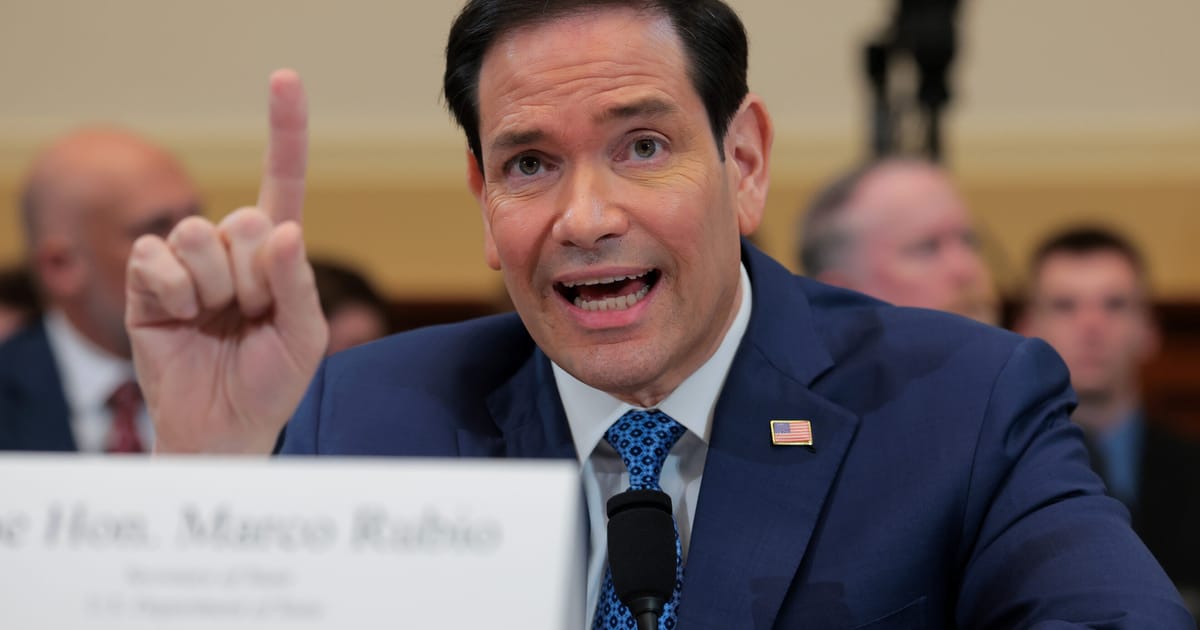
Recognizing the perilous moment, prominent voices within the United States began to sound the alarm. Senator Marco Rubio, in particular, framed the upcoming NATO gathering as a potential turning point of historic proportions. He warned that the summit could become “the most important” in the alliance’s long history, but its significance would be determined by whether it served as a forum for reconciliation or as the venue for its effective dissolution. The question hanging over The Hague was stark: could the frayed bonds of shared history and security interests be mended, or had the events of the year irrevocably broken the compact? The summit was no longer a routine diplomatic meeting; it was shaping up to be a moment of truth, a final opportunity to reaffirm a collective commitment or to passively oversee the alliance’s unraveling.
In Denmark, these tumultuous months culminated in a significant domestic political development. In early June, Prime Minister Mette Frederiksen successfully unveiled a new coalition government, ending a period of political uncertainty that had coincided with the international crisis. Notably, she retained Lars Løkke Rasmussen as Foreign Minister, a seasoned politician known for his pragmatic approach and established lines of communication with Washington. This continuity in Copenhagen’s diplomatic leadership was a deliberate signal of stability. It suggested that despite the profound insult of the Greenland episode and the deep disagreements over Iran, Denmark was not seeking a permanent rupture. Instead, by keeping Rasmussen in place, Frederiksen’s government was preserving a key channel for dialogue, indicating a cautious hope that the relationship with the United States could be steered back to more stable and respectful ground, even as the nation braced for further unpredictability.
Thus, as NATO leaders prepared to convene in The Hague on June 24th, they carried the heavy weight of a half-year defined by seismic shocks. The saga had moved from a surreal proposal to buy an island, through a bitter conflict that split the alliance, to overt threats to its very existence. The summit presented a formidable challenge: to bridge the gap between an America pursuing a more unilateral and transactional foreign policy and a Europe grappling with newfound vulnerability and a crisis of confidence in its oldest partner. The conversations in those meeting rooms would need to confront the raw nerves exposed by Greenland, Iran, and troop withdrawals. The future of the West’s primary defensive bulwark depended on whether its members could rediscover a common language of shared destiny and mutual respect, or if the events of 2022 had permanently rewritten the rules of the transatlantic relationship.