



The EU-China EV Tariff Dispute: A Deep Dive into the Legal and Economic Implications
The European Union’s imposition of tariffs on electric vehicles (EVs) imported from China has sparked a significant trade dispute, with major automakers like BMW and Tesla leading the charge against the measures. These tariffs, ranging from 7.8% to 35.3% on top of the standard 10% import duty, target Chinese EV manufacturers like BYD, SAIC, and Geely, as well as vehicles produced in China by global giants like BMW and Tesla. The EU’s rationale behind these tariffs centers on allegations of unfair subsidies provided to Chinese manufacturers by the Chinese government, enabling them to undercut European competitors with artificially low prices. This trade conflict underscores the growing tension between the EU and China in the burgeoning EV market and raises crucial questions about fair competition, global trade practices, and the future of the automotive industry.
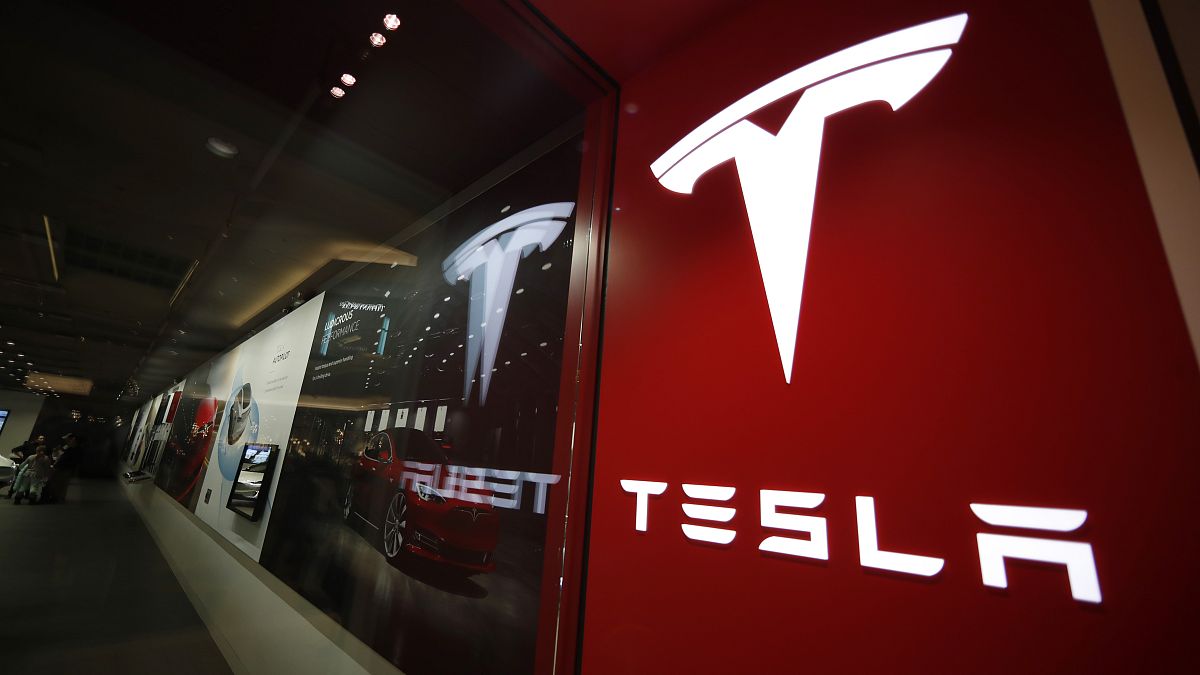
BMW and Tesla, operating from their Shanghai production facilities, have filed lawsuits against the European Commission at the European Union’s Court of Justice, contesting the legality and economic impact of these tariffs. They argue that the duties not only harm their business models but also hinder the broader adoption of EVs in Europe by limiting supply and potentially slowing down the decarbonization of the transport sector. This legal challenge reflects a broader concern among globally operating companies that such protectionist measures disrupt international trade flows and create unnecessary barriers to market access. The outcome of these lawsuits could have far-reaching implications, potentially stripping the EU of its authority to impose such tariffs and opening the door for affected companies to seek compensation for losses incurred.
The core of the EU’s argument rests on its investigation into Chinese government subsidies, which allegedly provide domestic EV manufacturers with an unfair competitive advantage. These subsidies reportedly include preferential access to cheaper land, more favorable loan terms, and financial support for key suppliers in industries like steel production. The EU contends that these practices distort the market and create an uneven playing field for European carmakers. However, Chinese manufacturers argue that these subsidies are necessary to support the development of a nascent industry and are consistent with international trade rules. This disagreement highlights the complex interplay of industrial policy, trade regulations, and national economic interests in the global EV market.
Adding another layer of complexity to this trade dispute is the strategic shift by some Chinese EV manufacturers towards hybrid vehicles. As hybrid vehicles are not currently subject to the EU tariffs, this move allows Chinese companies to maintain their expansion within the European market while circumventing the imposed duties. This tactical maneuver raises concerns about the effectiveness of the EU’s tariff strategy and its ability to achieve its stated goal of protecting European car manufacturers from unfair competition. It also underscores the dynamic nature of the automotive industry and the adaptability of Chinese manufacturers in navigating evolving trade regulations.
The backdrop to this trade conflict is the increasing pressure faced by European carmakers in the face of rising Chinese competition. Chinese EV manufacturers have been steadily gaining market share in Europe, offering consumers attractive prices, discounts, innovative features, and appealing designs. This competitive pressure is further exacerbated by the ongoing cost-of-living crisis in many parts of Europe, which has dampened consumer spending and increased price sensitivity. As consumers become more discerning and seek better value for their money, European carmakers are finding it increasingly challenging to compete with the aggressive pricing strategies of their Chinese counterparts.
The EU-China EV tariff dispute represents a significant development in the evolving landscape of the global automotive industry. It highlights the growing importance of EVs in the future of transportation, the intensifying competition between established and emerging automotive powers, and the complex interplay of trade policy, industrial strategy, and national economic interests. The outcome of this dispute will not only shape the future of the EV market in Europe but also have broader implications for international trade relations and the global transition towards sustainable transportation. The legal challenges brought by BMW and Tesla, along with the evolving strategies of Chinese manufacturers, will play a critical role in determining the ultimate resolution of this trade conflict and its long-term consequences for the automotive industry.