



The quest for tranquility in travel has led to a shift in desired destinations, according to recent research. While traditionally popular European hotspots like France, Spain, Italy, and Turkey grapple with the challenges of overtourism, travelers are increasingly seeking solace in quieter, less crowded locales. A new study, The Global Relaxation Index, has identified the top destinations for a peaceful getaway, and surprisingly, Northern European countries have emerged as frontrunners, outshining their sun-kissed Mediterranean counterparts.
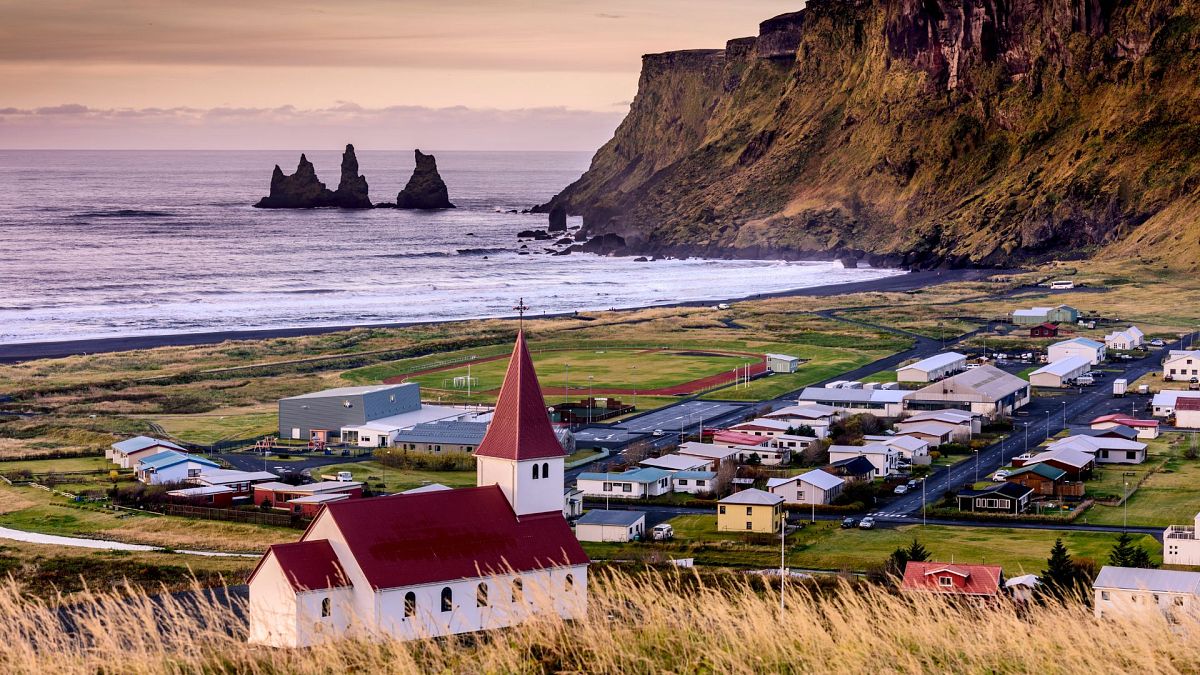
The Global Relaxation Index analyzed over 76 destinations, ranking them based on five key factors: safety, solitude, serenity, nature, and wellness. These factors were assessed by considering aspects such as protected area and forest coverage, crowd density, noise pollution levels, and the availability of wellness experiences. Each destination received a score between 1 and 100, reflecting its overall relaxation quotient. Australia claimed the top spot, but Iceland secured the third position overall and emerged as the highest-ranking European country, scoring near-perfect marks for safety and serenity. This is hardly surprising, given Iceland’s sparse population, abundant natural wonders like volcanoes and natural springs, and the mesmerizing spectacle of the Northern Lights. Finland followed closely in fourth place, sharing with Iceland a remarkably low crowd density of less than 20 people per square kilometer. This starkly contrasts with densely populated destinations like Italy and Mauritius, which recorded crowd densities of 198.3 and 626 people per square kilometer, respectively.
Several other Northern European countries also earned high rankings, showcasing the region’s appeal for relaxation seekers. Austria, Sweden, Estonia, Norway, and Portugal secured positions 6, 7, 8, 9, and 10, respectively. These countries are not necessarily characterized by vast, uninhabited spaces but rather by their well-designed green cities, slower pace of life, and rich wellness traditions, all contributing to a sense of calm and tranquility. While Spain, despite its bustling summer crowds, managed to secure a respectable 16th place, France lagged behind at 33rd. Interestingly, two African nations, Botswana and Namibia, also outperformed popular European destinations like Greece and France.
The disparity in crowd density between top-ranked Australia and 30th-ranked Italy highlights a key factor influencing the relaxation index. Australia, with an area 25 times larger than Italy, receives 50 million fewer annual visitors, contributing to its peaceful atmosphere. The study emphasizes a growing trend: travelers are increasingly seeking respite from the overwhelming crowds of once-popular destinations, opting instead for vast wilderness areas or Northern European countries that offer a blend of safety and tranquility.
Sean Kelly, co-founder of BookRetreats.com, notes that the Global Relaxation Index validates a shift in travel preferences. Destinations once sought after for peace and quiet have become victims of their own popularity, prompting travelers to explore alternative options. Vast wilderness destinations like Australia and Canada, along with Northern European countries that combine safe environments with a naturally calm urban lifestyle, are emerging as the new havens for relaxation. Canada, the only North American destination in the top 25, claimed second place, boasting over 4,700 wellness experiences, extensive forest coverage (34.8%), and breathtaking natural wonders, including the Northern Lights.
This trend towards relaxation travel is expected to continue into 2025 and beyond. Travelers are increasingly seeking out untouched wilderness areas and mindful urban experiences, prioritizing tranquility and well-being in their travel choices. This shift signals a growing awareness of the importance of disconnecting from the stresses of modern life and embracing a slower, more mindful approach to travel. The focus is shifting from ticking off tourist attractions to immersing oneself in the serenity of nature and experiencing the calming rhythms of life in less crowded, more peaceful destinations.
This new wave of travel emphasizes experiencing authentic local cultures and engaging in activities that promote well-being. It’s about finding a sense of peace and rejuvenation, whether it’s through exploring pristine natural landscapes, indulging in wellness practices, or simply enjoying the quiet charm of a less-traveled city. The rise of relaxation travel reflects a growing desire for a more balanced and meaningful travel experience, one that prioritizes inner peace and connection with nature over the frenetic pace of traditional tourism.
The popularity of Northern European countries in the relaxation index underscores the appeal of their unique blend of natural beauty and urban serenity. These countries have invested in creating green spaces within their cities, promoting sustainable practices, and fostering a culture that values work-life balance. This emphasis on well-being extends to the availability of wellness experiences, ranging from traditional saunas and spas to mindfulness retreats and nature-based activities.
The research also highlights the importance of sustainable tourism practices. As destinations grapple with the negative impacts of overtourism, it’s crucial to manage visitor numbers and prioritize the preservation of natural and cultural heritage. The popularity of destinations like Australia and Canada, known for their vast wilderness areas, underscores the growing appreciation for untouched natural environments. Preserving these spaces and promoting responsible travel practices will be essential to ensure their continued availability for future generations of relaxation seekers.
The emergence of relaxation travel as a dominant trend is a positive development for both travelers and destinations. For travelers, it offers an opportunity to escape the pressures of everyday life and reconnect with themselves and the natural world. For destinations, it presents a chance to develop sustainable tourism models that prioritize the well-being of both visitors and local communities. As travelers continue to seek out tranquility and mindful experiences, the travel industry will need to adapt and offer a wider range of options that cater to this growing demand. This includes promoting lesser-known destinations, developing eco-friendly accommodations, and offering unique experiences that focus on wellness and connection with nature.
The future of travel is likely to be shaped by this growing emphasis on relaxation and well-being. Destinations that prioritize sustainability, offer authentic cultural experiences, and provide access to nature and wellness activities will be the ones that thrive in this evolving landscape. Travelers are increasingly seeking experiences that nourish their minds, bodies, and souls, and the travel industry must respond by creating opportunities for meaningful and transformative journeys that promote true relaxation and rejuvenation.