


Madrid recently enjoyed a rare and vibrant invitation to travel without ever leaving the city. For several days, the Puente del Rey area, nestled next to the serene Madrid Río, transformed into a dynamic portal to Macao. This small but mighty territory, barely 30 square kilometers in size, is a powerhouse of culture and tourism in Asia. The “Experience Macao Roadshow” event was more than a simple tourism promotion; it was a fully immersive cultural exchange, designed to transplant the essence of Macao onto Spanish soil. Through more than twenty interactive stands, the event created a tangible bridge between continents, allowing Madrileños to taste, hear, see, and feel the unique spirit of a place where East has met West for over four centuries, all within the familiar confines of their own city.
The journey began at a welcoming reception, where visitors could collect information, enter raffles, and pick up souvenirs, setting the stage for the adventure. From there, the path unfolded into a series of themed zones that engaged all the senses. By day, the atmosphere was one of leisurely exploration and family-friendly discovery. Attendees could be seen trying on elegant traditional Chinese costumes, learning the rhythmic beats of a lion dance on ceremonial drums, or patiently practicing the delicate art of Chinese calligraphy. One of the most charming stops was a lovingly recreated traditional tea house, where the aromas of steeping tea filled the air. Here, visitors sampled iconic bites like delicate dim sum and the beloved pastéis de nata—creamy egg custard tarts that are a sweet testament to Macao’s profound Portuguese heritage. The experience even included the whimsical craft of sugar painting, blending culinary art with childhood nostalgia.
Alongside these ancient traditions, the roadshow proudly showcased Macao’s modern, dynamic face. Technology played a key role in bringing the territory’s excitement to life. Adrenaline seekers could strap into a driving simulator for a heart-pounding virtual lap around the legendary, twisting streets of the Macau Grand Prix circuit. Elsewhere, virtual reality headsets offered quiet, immersive journeys, transporting users from the cobblestone lanes of the historic centre to the dazzling lights of its contemporary resorts and festival grounds. In a clever bridge between host city and featured destination, an interactive digital game visually connected Madrid with Macao’s iconic sites, like the majestic Ruins of St. Paul’s, and plotted out potential travel itineraries within the broader Greater Bay Area, planting the seed for a real future visit.
This lively event served as a compelling preview of what makes Macao a global tourism phenomenon. The territory is a captivating mosaic where ancient Chinese temples sit seamlessly alongside pastel-hued Portuguese colonial buildings, all shadowed by towering, modern integrated resorts. Its historic centre, recognized as a UNESCO World Heritage Site, and landmarks like Senado Square are living monuments to centuries of peaceful cultural and commercial exchange. As explained by Jocelyn Wong, President of the Macao Hotel Association, this shared heritage is a powerful draw for European visitors. She noted that Spanish tourists, in particular, can feel an instant connection through the familiar architecture and the comforting flavors of Lusophone cuisine, which shares deep roots with Spanish food. This unique fusion allows a traveler to “feel at home and feel like they are in China” simultaneously, experiencing a true blend of Asian and European cultures in one compact, walkable destination.
Gastronomy was, rightfully, a cornerstone of the entire experience, extending its reach beyond the event grounds. Macao, designated a UNESCO Creative City of Gastronomy, leveraged its culinary fame as a universal language. The roadshow’s food stalls were hubs of activity, but the tasting menu continued in participating restaurants across Madrid. These establishments offered special themed menus that interpreted Macao’s famed fusion cuisine—dishes where Portuguese techniques meet Chinese ingredients—and adapted them for the local palate. This strategic move turned the entire city into an extension of the Macao experience, proving that food is one of the most powerful and delicious gateways to understanding a new culture. It underscored the territory’s strategy to attract visitors by appealing directly to their taste buds and culinary curiosity.
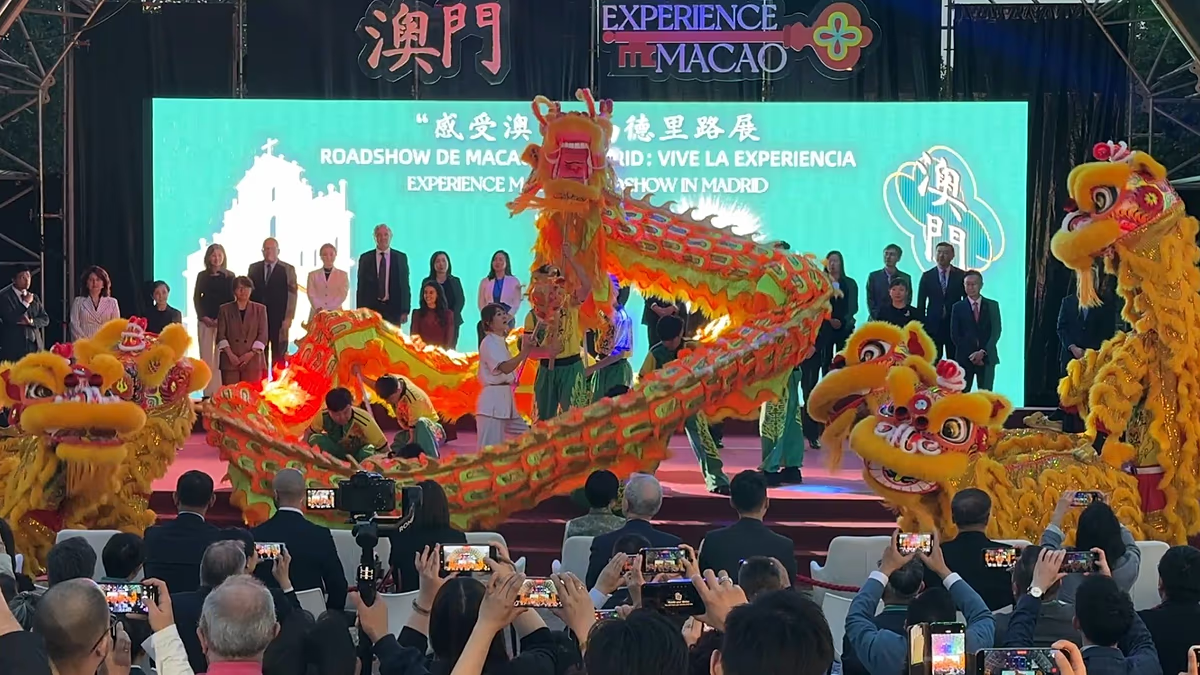
As sunset fell over Madrid, the roadshow’s ambiance shifted from daytime discovery to nighttime spectacle. The event crescendoed with “Macao Night Madrid,” a dazzling closing ceremony featuring live performances and the mesmerizing ritual of “painting the eyes” on lion dance costumes, a ceremony believed to awaken the creature’s spirit. Against a backdrop of an illuminated stage and large, interactive LED sculptures spelling out “MACAO,” the celebration was a sensory feast. Then, as quickly as it appeared, the vibrant pop-up city was packed away. The music faded, the stalls were dismantled, and the lights went out. Yet, visitors departed with something more valuable than a souvenir: the palpable feeling of having been on a journey. They had wandered Macao’s virtual streets, tasted its unique flavors, and engaged with its traditions. The event’s true success lay in this emotional postscript—the spark of wanderlust and the realization that the journey to a new destination often begins not at an airport, but with a single, captivating experience that makes a faraway place feel unexpectedly close and intimately inviting.