

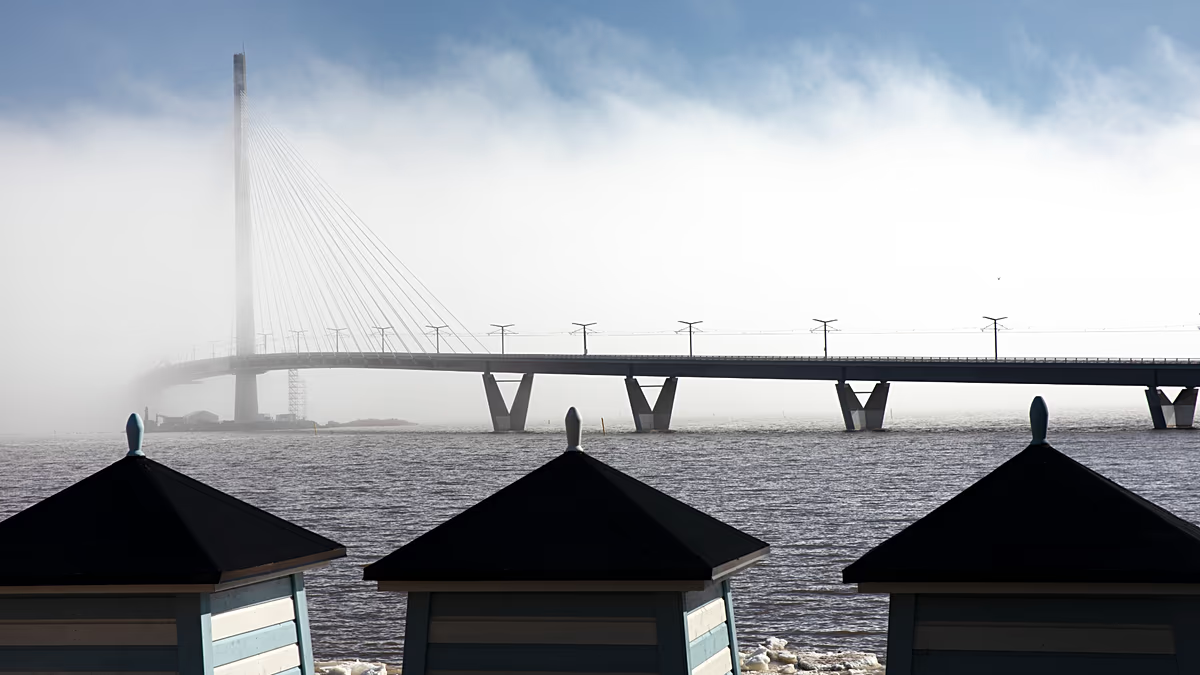
Nestled within the archipelago that defines its capital, Helsinki has unveiled a stunning new landmark that reimagines urban connection. The Kruunuvuorensilta bridge, now the longest and tallest in Finland, stretches gracefully for 1,191 metres, linking the mainland district of Kruunuvuorenranta to the peninsula of Laajasalo and passing by the popular Korkeasaari Zoo island. In a decisive move for sustainable urban planning, this impressive structure is not open to private car traffic. Instead, it is dedicated exclusively to pedestrians, cyclists, and public transport, creating a serene and environmentally friendly corridor over the water. This design philosophy immediately establishes the bridge as more than mere infrastructure; it is a bold statement about the future of city life, prioritizing people, health, and scenic contemplation over the noise and rush of automobiles.
The impact of this new connection is profoundly practical, effectively reshaping Helsinki’s geographical and social fabric. Prior to the bridge’s opening, the journey from the developing Kruunuvuorenranta area to the city centre was a winding 11-kilometre route. Now, that distance has been astonishingly halved to just five-and-a-half kilometres, seamlessly integrating these waterfront communities into the heart of the city. As Mayor Daniel Sazonov eloquently stated, the bridge is a “unique and exciting landmark” that “reshapes how we look at Helsinki.” It attaches these areas “in a completely new way to the larger central city area,” promising to accelerate development and foster a stronger sense of community. The public’s enthusiasm was unmistakable, with over 50,000 people flocking to experience the bridge on its opening weekend, eager to walk or cycle across this new vantage point and celebrate a milestone for their city.
Beyond its functional role, the Kruunuvuorensilta bridge is poised to become an essential Helsinki experience for both residents and visitors. It offers a continuously unfolding panorama of the city’s coastal beauty, turning a simple commute or stroll into a memorable event. The deliberate absence of car traffic amplifies this experience, allowing the sounds of the sea and conversation to fill the air. It invites people to linger, to watch the ferries and sailboats pass below, and to see familiar city sights from a fresh, elevated perspective. Mayor Sazonov’s prediction that it will “draw visitors from near and far” is likely to hold true, as the bridge itself becomes a destination—a place for a morning jog, an evening walk under the midnight sun, or a photogenic crossing that captures the harmony between modern Finnish design and the rugged Nordic seascape.
This transformative project is part of a broader wave of new and renewed attractions enhancing Helsinki’s cultural landscape. The city is thoughtfully blending its rich history with contemporary luxury. For instance, the historic Yrjönkatu Swimming Hall, the oldest operating swimming hall in the Nordic region, recently reopened after restoration. A beloved Art Deco gem, it offers the unique and quintessentially Finnish experience of swimming in a beautifully preserved, classical setting. Meanwhile, the Seurasaari Open-Air Museum is preparing to open a traditional summer cottage, originally built in 1953 and used continuously until now. This authentic snapshot provides a tangible, charming glimpse into the simple, nature-oriented way Finns have historically enjoyed their precious summer months.
The city’s culinary and hospitality scenes are also flourishing with notable additions that cater to a range of tastes. Within the iconic Helsinki Central Railway Station, a new restaurant named Taulu has opened in the building’s historic dining hall, offering diners a chance to enjoy fine food within a grand, architecturally significant space. For those seeking unparalleled accommodation, the spectacular Waldorf Astoria Helsinki opened its doors last October, setting a new standard for luxury. The property pays homage to local traditions in its most opulent suites, some of which feature private saunas, steam rooms, and even Jacuzzis on private terraces, allowing guests to indulge in the ultimate Finnish relaxation ritual with panoramic views of the capital.
Together, these developments paint a picture of a dynamic, forward-looking city that deeply respects its past and natural environment. The Kruunuvuorensilta bridge stands as the centerpiece of this vision—a symbol of connected, sustainable, and human-centric urban development. It demonstrates that progress is not just about making distances shorter, but about making journeys more enjoyable and communities more cohesive. From swimming in century-old baths and exploring heritage cottages to dining in historic halls and crossing a groundbreaking people-focused bridge, Helsinki is offering a compelling blend of experiences. It invites the world to discover a capital where modern innovation, timeless design, and a profound reverence for nature and well-being are seamlessly interwoven.