



Paragraph 1: A Bold Vision for a Vast Land
In a significant commitment to conservation, Kazakhstan—one of the world’s largest and most ecologically diverse nations—has unveiled ambitious plans to dramatically expand its network of national parks. Announced in April 2026, this forward-thinking initiative aims to add approximately 20,000 square kilometers of protected land by the year 2035. When complete, the total protected area will reach a staggering 332,000 square kilometers, a territory larger than entire European countries like Poland or Italy. This move signifies more than just a policy shift; it represents a profound dedication to safeguarding the nation’s natural heritage for future generations. For a country celebrated as the legendary birthplace of the apple and famed for its nomadic “land of the wanderers” culture, this expansion is a powerful step toward securing its unique identity in a modern world.
Paragraph 2: Protecting a Tapestry of Natural Wonders
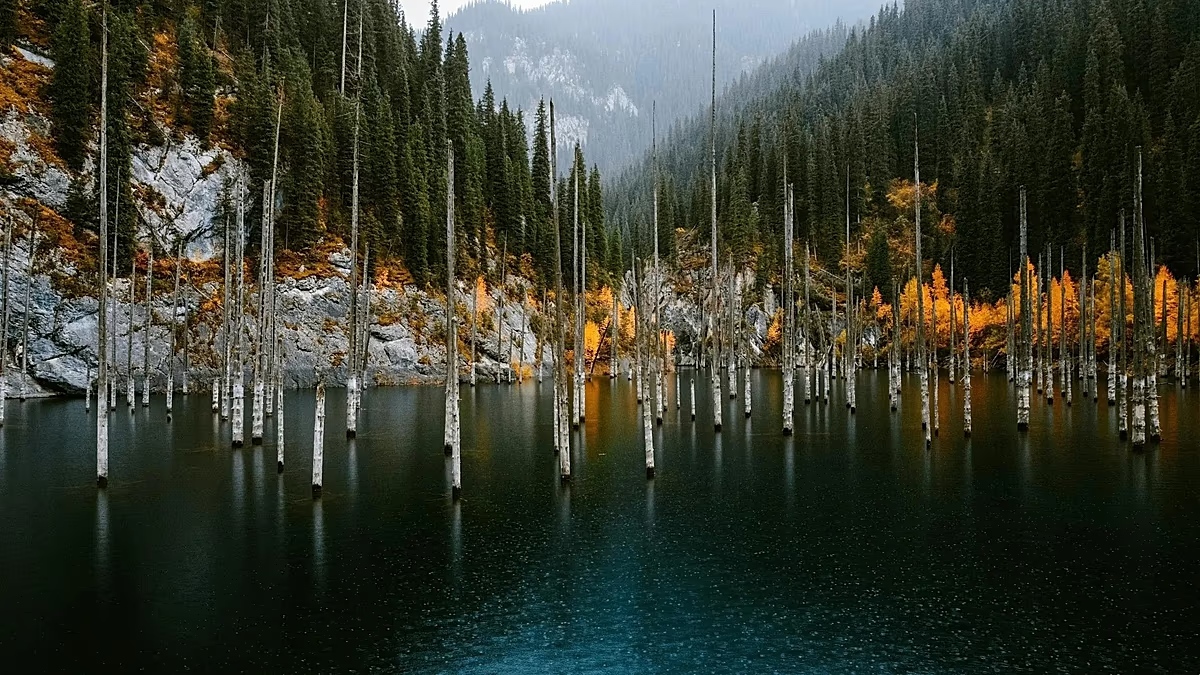
The expansion is designed to conserve the breathtaking and varied tapestry of landscapes that define Kazakhstan. From the endless, wind-swept steppes and the fiery red cliffs of Charyn Canyon to the dramatic peaks of the Altai and Tian Shan mountains, the country is a treasure trove of natural beauty. It is home to mystical sites like Kaindy Lake, with its ghostly underwater forest, and the fragile ecosystems of the Aral Karakum desert. Despite this richness, Kazakhstan remains a hidden gem for international adventure and nature travelers. By formally protecting these areas, the country not only preserves their ecological integrity but also thoughtfully opens them up for sustainable exploration, inviting the world to discover places that have captivated nomadic peoples for centuries.
Paragraph 3: The Driving Force: Ecology and Biodiversity
This grand initiative is the cornerstone of a comprehensive national strategy titled “The Concept for the Conservation and Sustainable Use of Biological Diversity for 2026-2035.” The primary driver is ecological restoration and the protection of Kazakhstan’s remarkable biodiversity. The country is home to over 6,000 plant species and about 230 animal species, including critically endangered icons like the elusive snow leopard, the graceful Bukhara deer, and the goitered gazelle. The plan includes an extensive reforestation project, aiming to plant or restore nearly 8,000 square kilometers of woodland. Furthermore, in a move echoing the rewilding projects seen elsewhere, Kazakhstan is actively reintroducing vanished native species, such as Przewalski’s horses, kulans (wild asses), and even tigers, to help restore the natural balance and health of its ecosystems.
Paragraph 4: Healing Historical Scars and Building a Green Future
A particularly poignant aspect of the strategy focuses on healing environmental scars, most notably the tragedy of the Aral Sea. Once one of the world’s largest lakes, it has shrunk drastically due to historical water diversion. Kazakhstan’s plan includes dedicated efforts to restore the Aral Sea basin ecosystem. Workers are already planting resilient saxaul shrubs in the dried seabed to stabilize the soil and prevent further dust storms, a first step toward ecological recovery. This commitment to mending damaged landscapes is a powerful symbol of the nation’s new environmental ethos. It transforms an area known for a profound ecological crisis into a potential future model for restoration and a destination for meaningful, educational ecotourism.
Paragraph 5: Enhancing Sustainable Tourism and Visitor Experience
The expansion is inextricably linked with a vision for high-value, low-impact tourism. Authorities recognize that new protected areas must come with thoughtful infrastructure to welcome visitors responsibly. This means developing better hiking and walking trails, especially in popular regions like the Ile-Alatau National Park and the stunning Kolsai Lakes. Plans include building informative visitor centers, adding clear navigation signs, and creating more “glamping” sites that offer comfort with a minimal environmental footprint. The tourism experience will be deeply enriched by celebrating Kazakhstan’s cultural heritage, with an increased focus on guided horseback riding adventures—a nod to the nomadic tradition—and visits to remote eco-villages. Training more knowledgeable local guides will ensure travelers gain a deeper appreciation for the land and its stories.
Paragraph 6: A Legacy for People and Planet
In summary, Kazakhstan’s national park expansion is a multifaceted mission to protect natural wonders, save threatened species, and responsibly share its treasures with the world. It goes beyond simply fencing off land; it is an active campaign of planting forests, healing damaged earth, and rewilding landscapes. For potential travelers, it promises a future of unparalleled adventure—from birdwatching in restored habitats and trekking through ancient forests to witnessing conservation in action. For the Kazakh people, it secures their nation’s soul—its vast steppes, majestic mountains, and nomadic spirit. By 2035, Kazakhstan aims to stand as a global leader, demonstrating how a nation can honor its past, protect its present, and sustainably invite the world to explore its profound natural beauty.