


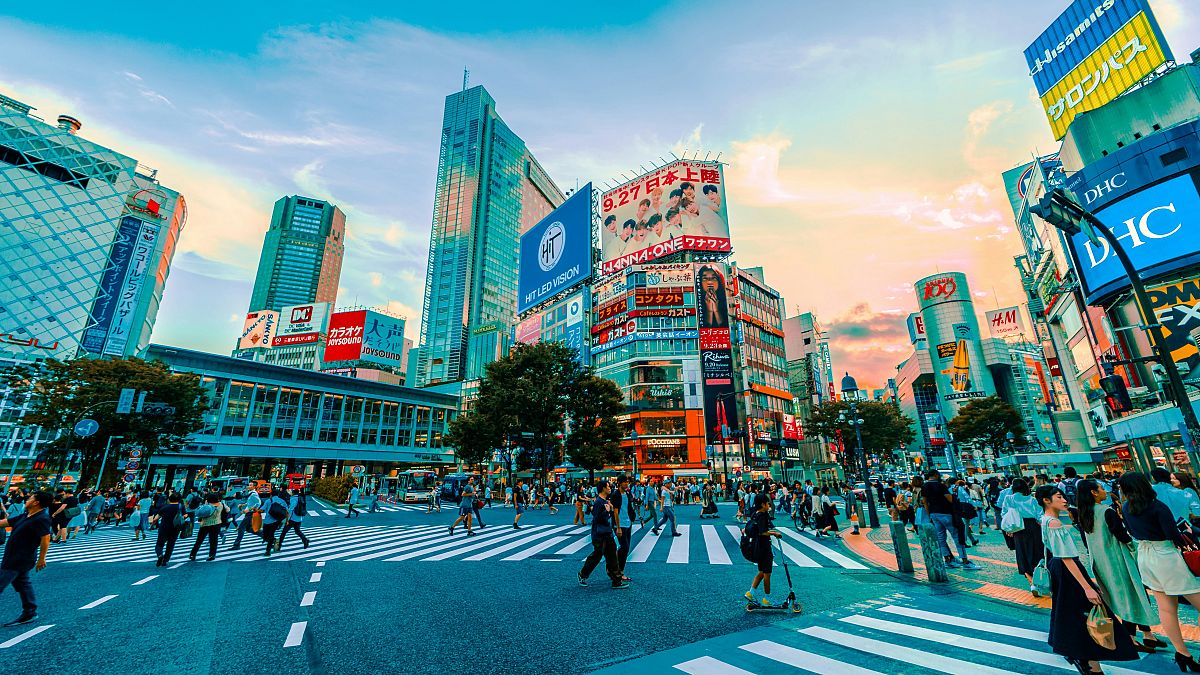
In recent times, Japan has seen a growing number of incidents involving foreign tourists exhibiting disrespectful behavior that has sparked outrage among residents. These incidents range from an American who defaced Meiji Jingu shrine with graffiti to a British tourist implicated in a significant theft, as well as a Chilean man filmed performing pull-ups on shrine gates. Although such egregious acts are rare, many foreign visitors often unknowingly disregard local customs and etiquette, which can lead to misunderstandings and feelings of disrespect. The Japan Tourism Agency (JTA) has noted that the differences in cultural norms may lead to tourists unintentionally offending locals due to what they perceive as ‘obvious’ manners in their own cultures. As tourism in Japan rebounds, the JTA emphasizes the need to educate tourists about these cultural expectations to foster a more respectful environment.
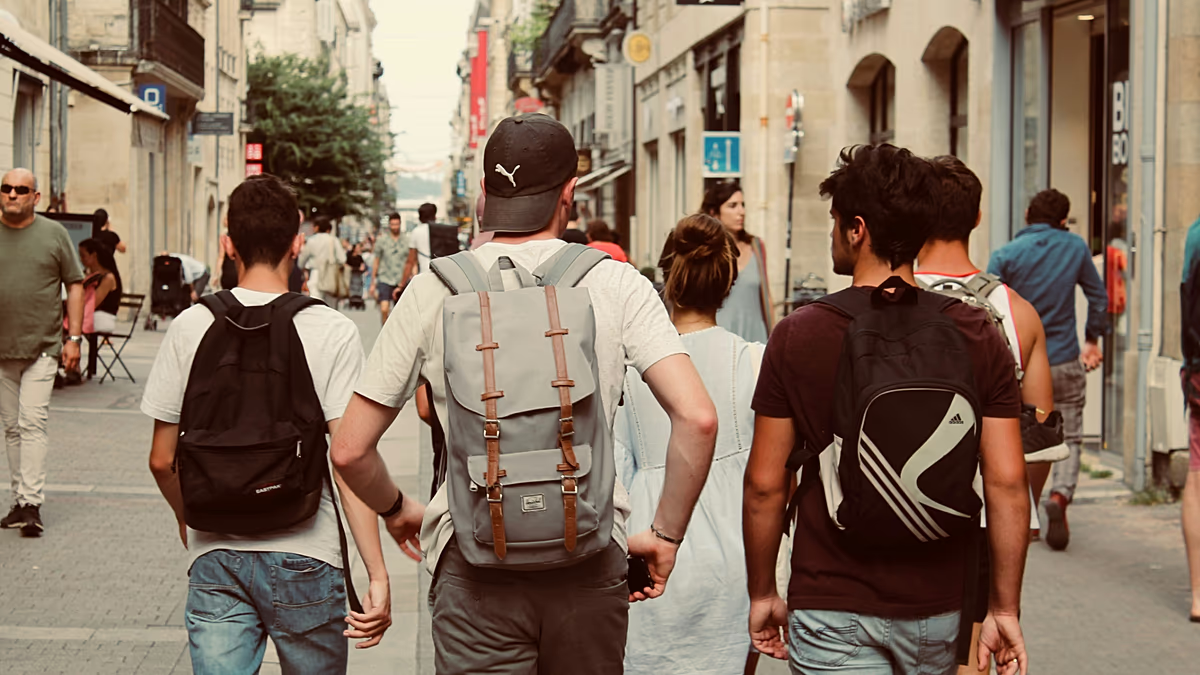
To address these behavioral issues, the JTA has launched a campaign filled with written and pictorial guidelines aimed at promoting appropriate conduct among visitors. The guidelines, translated into five languages, include essential etiquette rules such as not blocking pathways, being vigilant of one’s surroundings when capturing photographs, and respecting queuing systems. These recommendations highlight the importance of mindful behavior—especially in crowded areas—where sudden stops or distractions can cause disruptions for both tourists and locals alike. The JTA also encourages visitors to adjust their sightseeing schedules to avoid peak travel times, recommending early mornings or weekdays to enhance the overall experience of their visit while reducing congestion.
Moreover, the JTA focuses on the respect of Japan’s cultural and historical sites. As many Japanese temples and shrines hold significant value, any form of vandalism, such as graffiti, is not only damaging but also regarded as a serious criminal offense. The agency stresses that protecting these important cultural assets is crucial for the preservation of Japan’s heritage. Tourists are urged to dispose of their waste properly and, when possible, to either buy locally made handicrafts or sample regional dishes, ensuring that their contributions positively impact local communities. This is part of a broader effort to foster sustainable tourism that respects both local customs and the environment.
Another aspect of the JTA’s guidelines addresses dining etiquette. Visitors are typically warned against the practice of ‘tabearuki’, or eating while walking, which is seen as disrespectful to food in Japanese culture. Tourists are encouraged to find quiet spots, such as parks, to enjoy their meals rather than consuming them on the move. This is further complemented by advice to avoid messy foods or drinks without lids while navigating crowded spaces, helping maintain cleanliness and consideration for others in shared public areas. While there are exceptions during food fairs or festivals where walking and eating might be acceptable, the general consensus is to step aside from busy thoroughfares to enjoy refreshments without causing inconvenience.
Public behavior in Japan also involves generally being discreet and maintaining lower volumes in conversations, particularly in public transportation or dining establishments. Though not formally enforced, excessive displays of affection or loud talking can draw disapproving glances from locals. Instead, simple gestures like bowing can be a safer and more culturally sensitive form of greeting. These subtle cultural nuances are essential to grasping the complexities of social interactions in Japan, emphasizing the value of personal space and quietness in public settings. Visitors, by mimicking the behavior and voice levels of those around them, can easily navigate these social dynamics without drawing negative attention.
In summary, as foreign tourism increases in Japan, it becomes even more necessary to bridge the gap between cultures to ensure that visitors experience the rich heritage the nation offers while showing respect for local traditions and customs. Through the proactive approach taken by the Japan Tourism Agency in providing resources and guidance for tourists, it is hoped that future visitors will be better equipped to observe local etiquette. Observing simple yet crucial practices such as avoiding rush hours, respecting cultural sites, maintaining cleanliness, and being mindful of public behavior can significantly enhance both the tourist experience and the interactions with local residents, promoting a harmonious coexistence.