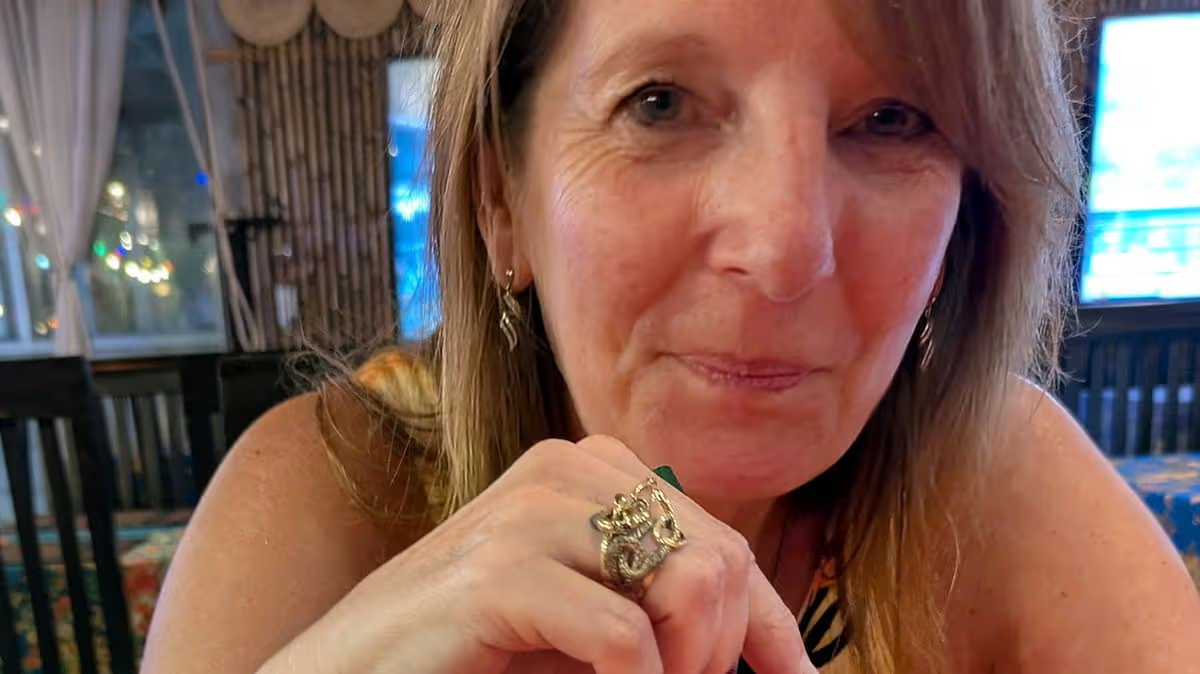




A Dream Holiday Turns to Crisis: The Story of Joanna Ingram
For Joanna and Stuart Ingram, a winter escape to Thailand in February 2026 was meant to be a much-needed respite. The couple from Belton, Norfolk, envisioned their two-week holiday as a tranquil period of relaxation, soaking up the sun on the pristine beaches of Phuket and Koh Samui. As a 57-year-old receptionist, Joanna looked forward to the adventure and warmth, a perfect antidote to the British winter. The trip began idyllically, filled with the simple pleasures of a tropical getaway. However, in a devastating moment that would alter their lives completely, the final days of their holiday transformed a dream into a protracted medical and financial nightmare, stranding them far from home for over two months.
A Devastating Fall and a Fight for Recovery
The crisis began on March 8th during what should have been a picturesque pony trek along a beach in Krabi. In a hazy instant Joanna found herself thrown from the horse, landing violently on her back. While initially hoping she had merely winded herself, the searing pain soon indicated a far graver injury. Rushed to the hospital by ambulance, she and her husband Stuart received the shattering news: Joanna had broken her back in three places. Faced with the terrifying uncertainty of whether she would ever walk again, Joanna underwent an emergency spinal fusion surgery, a procedure that required multiple screws to stabilize her shattered vertebrae. The successful operation, which she later called a “miracle,” restored her full mobility, but marked only the beginning of a grueling ordeal.
An Unforeseen Financial Blow and a Second Medical Crisis
As Joanna began her arduous recovery in a Thai hospital, a second shock arrived. Their travel insurance provider, JOURNY, refused to cover the substantial medical costs, citing horse riding as an excluded “high-risk activity.” This left the Ingrams personally liable for every expense, a sum that would eventually reach a staggering £60,000—the entirety of their life savings. After three weeks in the hospital, Joanna was moved to a hotel to convalesce until she was deemed fit to fly home. Yet, in a cruel twist of fate, she then contracted dengue fever, a severe mosquito-borne illness. With no specific cure, she endured days of high fever and debilitating pain, a trial so severe she feared she might not survive, further delaying their return by another ten days of hospitalization.
The Long Journey Home and the Road to Recovery
After 11 weeks stranded in Thailand—a period filled with physical agony, financial distress, and intense homesickness—Joanna and Stuart finally boarded a flight home in May. The relief of returning to Norfolk was profound, a moment Joanna describes as overwhelming with emotion at the prospect of reuniting with family and friends. Yet, coming home did not mean an end to the struggle. Joanna continues to rely on a walking frame and faces a recovery period of three to six months to regain her full strength. The couple returned not to normalcy, but to the daunting reality of a financial abyss, with their security erased by the enormous, uninsured debt.
A Community’s Compassion in the Face of Adversity
Confronted with this immense burden, the Ingrams’ community rallied around them. Friends and family established a GoFundMe campaign to help alleviate the crippling medical bills. The response provided a glimmer of hope and humanity amidst their hardship, with donations raising £19,000 toward the £60,000 goal. This generosity moved Joanna deeply, who expressed that it was only through this support that they managed to secure the funds needed to finally return home. The campaign highlights a poignant narrative of modern community support, where collective compassion attempts to bridge the gap left by institutional policy.
A Cautionary Tale with Lasting Implications
Joanna Ingram’s harrowing experience serves as a powerful cautionary tale for travelers everywhere. It underscores the critical importance of scrutinizing travel insurance policies, with explicit understanding of excluded activities, before embarking on holidays. Her story is one of remarkable physical resilience, having overcome a broken back and a severe tropical disease, but also of the vulnerable position individuals can find themselves in when unforeseen accidents intersect with fine print. As Joanna continues her slow journey toward full physical recovery, the financial and emotional scars of their Thai ordeal will undoubtedly linger, a stark reminder of how quickly a dream vacation can transform into a life-altering crisis.