

Here is a humanized and expanded summary of the event in six paragraphs.
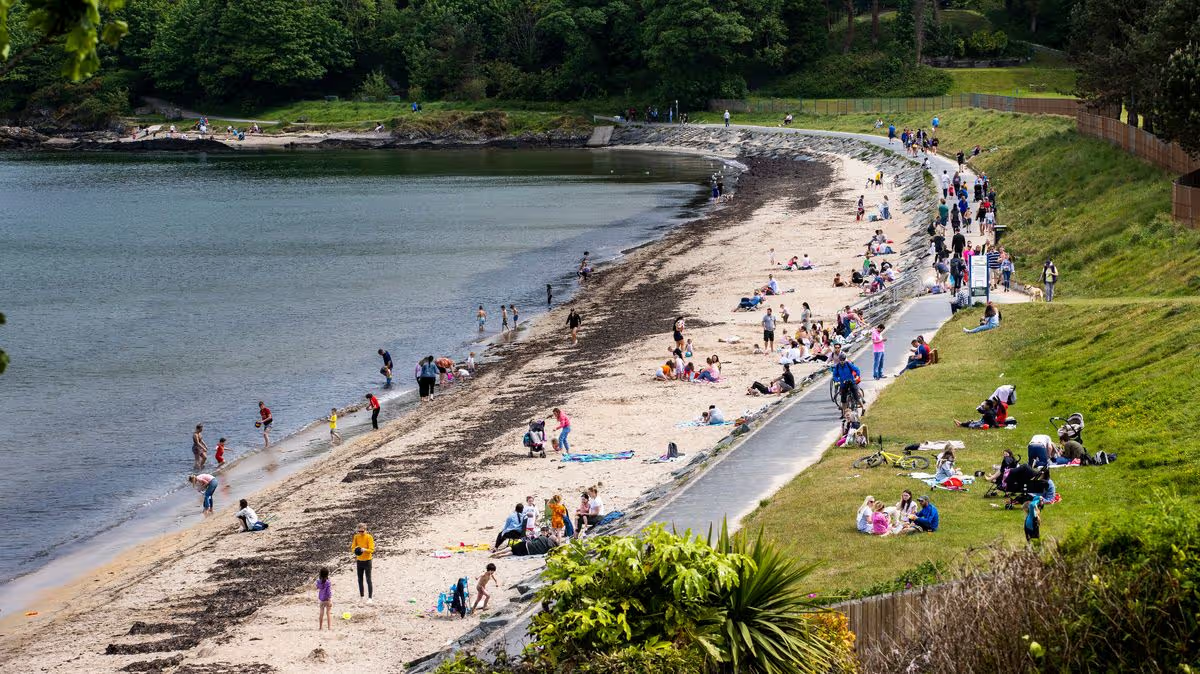
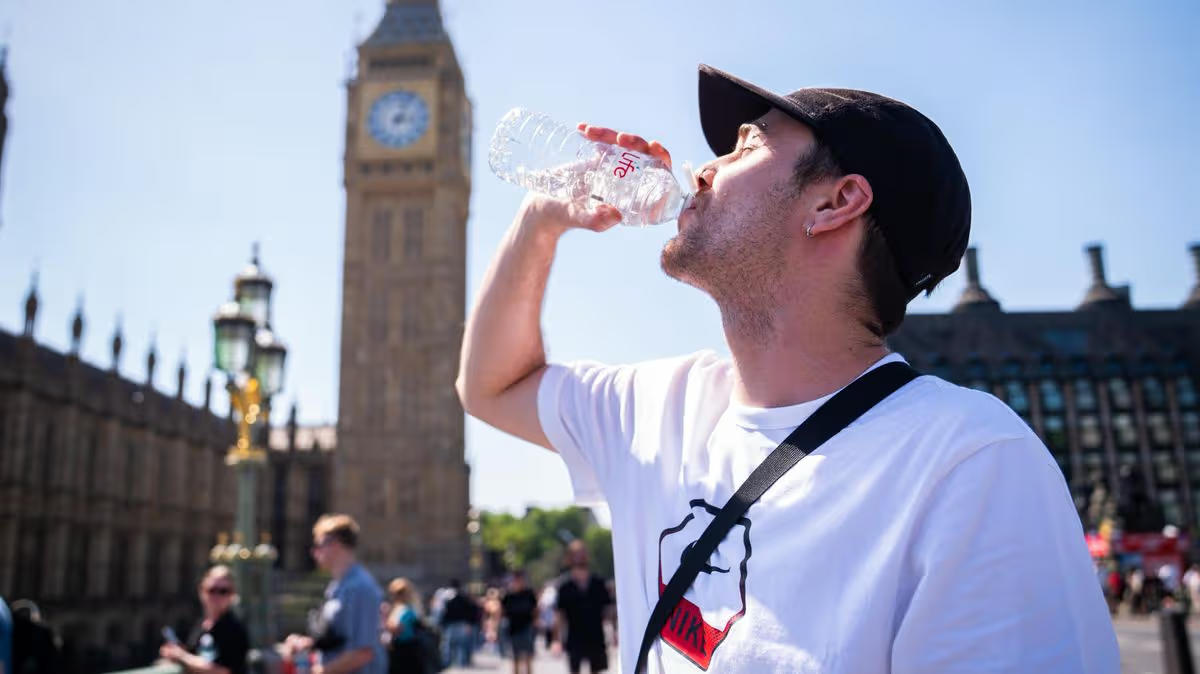
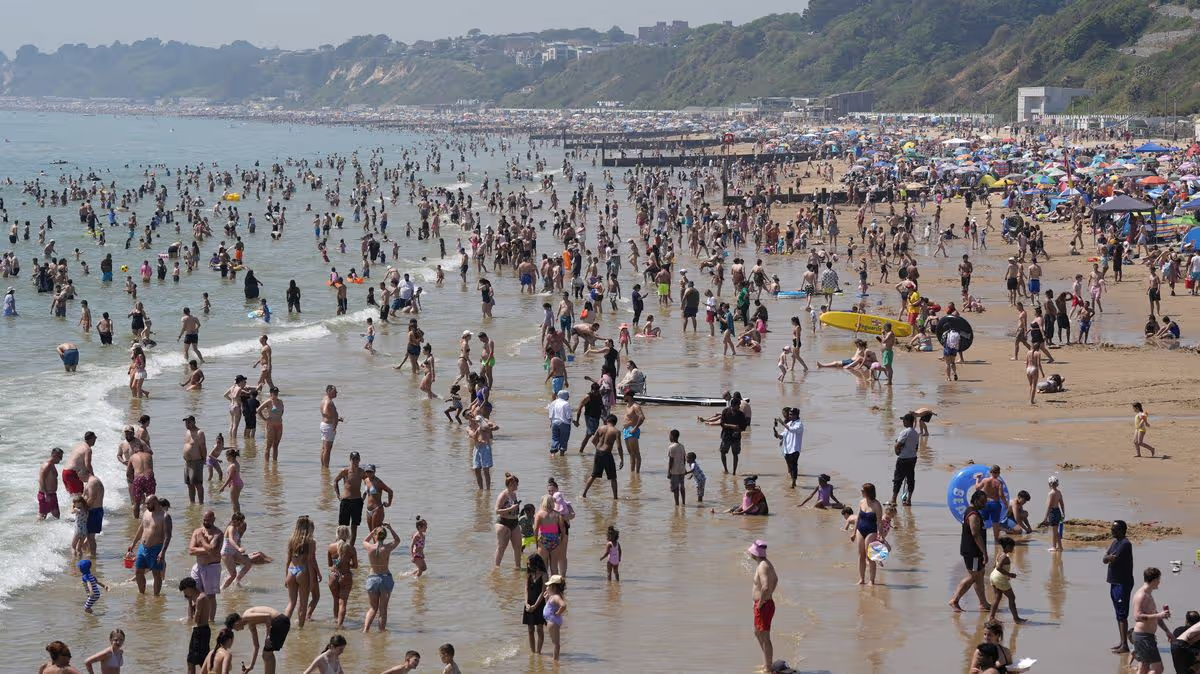
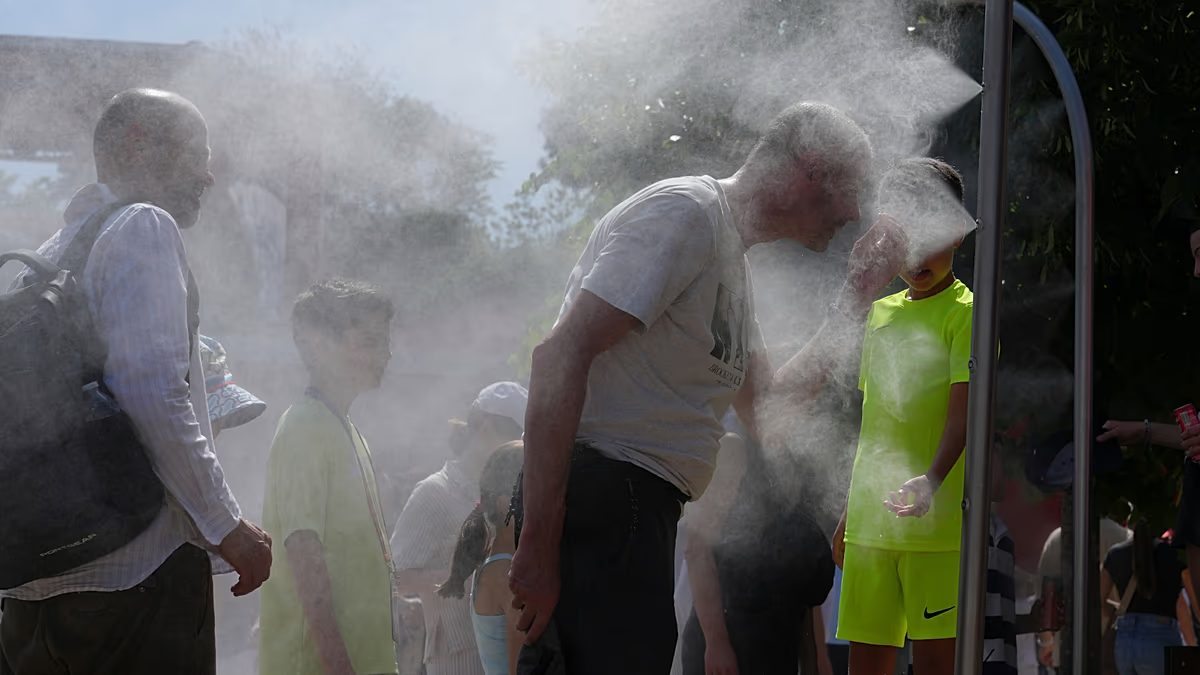
On a day that felt more like the height of summer than late spring, a peaceful afternoon on Bournemouth’s famous beach gave way to chaos and violence. This Tuesday, May 26th, 2026, shattered historical weather records, becoming the UK’s hottest May day ever, with temperatures soaring to 35°C at Heathrow. The scorching heat, following a sweltering bank holiday weekend that had already broken century-old records, drew enormous crowds to coastal resorts like Bournemouth, seeking relief by the sea. As the sun beat down, the beach became a packed, volatile mix of holidaymakers and day-trippers, with the intense atmosphere eventually boiling over into disorder.
By Tuesday evening, the idyllic scene had fractured. Dorset Police issued urgent statements confirming they were responding to significant “disorder involving a large number of people” in the Undercliff Drive area of the beach. The situation escalated rapidly, with reports emerging that police officers themselves had been assaulted while attempting to manage the crowds. This marked a serious and alarming turn, transforming a public management operation into a scene of direct confrontation. The force moved decisively to reinforce their presence, calling in support from the National Police Air Service helicopter to monitor the sprawling scene from above.
In the face of this turmoil, the police adopted a firm, multi-pronged strategy to restore order. Officers on the ground worked to disperse the involved crowds and began making arrests, while the aerial unit provided critical oversight. Assistant Chief Constable Mark Callaghan delivered a clear public message, thanking the majority of law-abiding citizens but issuing a stern warning to those engaged in violence to leave the area immediately. He emphasized that assaults on officers were utterly unacceptable and would not be tolerated, underscoring the police’s primary duty to ensure public and officer safety above all else.
ACC Callaghan also took a moment to commend his own team, publicly thanking officers for their “professional and courageous actions” during a dangerous and unpredictable incident. He confirmed that a formal investigation into the disorder had already begun, with the intent to identify all those responsible and bring them to justice through the legal system. This commitment to follow-through served as a promise of accountability, aiming to reassure a concerned public that such disruptions would be thoroughly addressed long after the last crowd had dispersed.
This incident on the south coast serves as a stark reminder of how extreme weather can act as a catalyst for public safety challenges. The unprecedented heatwave, a tangible symptom of our changing climate, created a perfect storm of conditions—mass migration to cooling spots, heightened tensions in crowded spaces, and perhaps a holiday mindset that tipped into recklessness. While the vast majority of visitors simply hoped to enjoy a historic sunny day, the actions of a disruptive minority diverted essential emergency resources and cast a shadow over the community.
As the evening drew on and police worked to secure the beach, the event left behind pressing questions for local authorities and residents. It highlights the delicate balance between welcoming tourism and maintaining public order, a balance strained by increasingly frequent extreme weather events. The community will now look toward the police investigation’s findings and any subsequent judicial proceedings. Ultimately, the hope is that the beauty and appeal of Bournemouth beach will be defined not by one evening of disorder, but by the collective commitment to safety and respect that allows everyone to enjoy it peacefully.