


A late-May heatwave of startling intensity gripped Western Europe this week, shattering long-standing records and offering a disquieting preview of summer’s increasing extremes. In France, authorities activated yellow heatwave alerts across multiple western départements as temperatures soared far beyond seasonal norms. The city of Nantes, for instance, saw the mercury climb to approximately 34-35°C, decisively breaking local May records. This was not an isolated spike but part of a broader atmospheric pattern delivering unseasonable warmth. Simultaneously, across the English Channel, the United Kingdom experienced its hottest May day since national records began. The thermometer at London’s Kew Gardens registered 34.8°C, surpassing a previous high of 32.8°C that had stood since 1922 and was equalled in 1944. These weren’t merely numbers on a screen; they represented a profound and tangible shift in the climate, turning a typically mild late-spring period into something resembling peak summer.
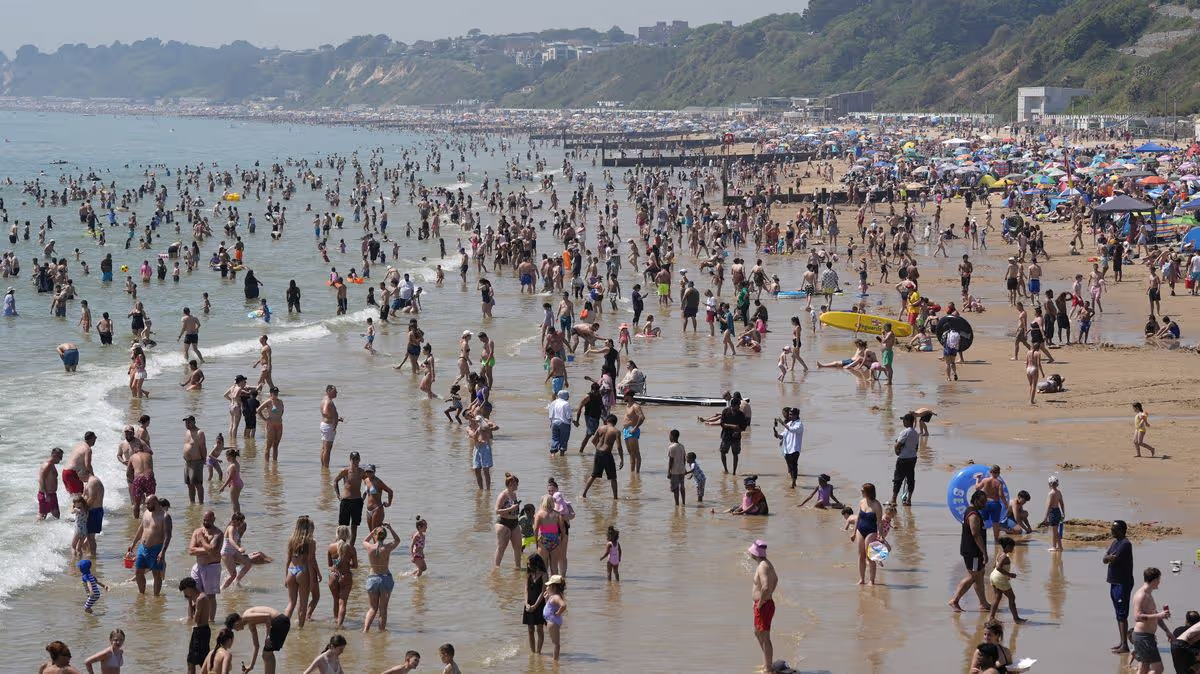
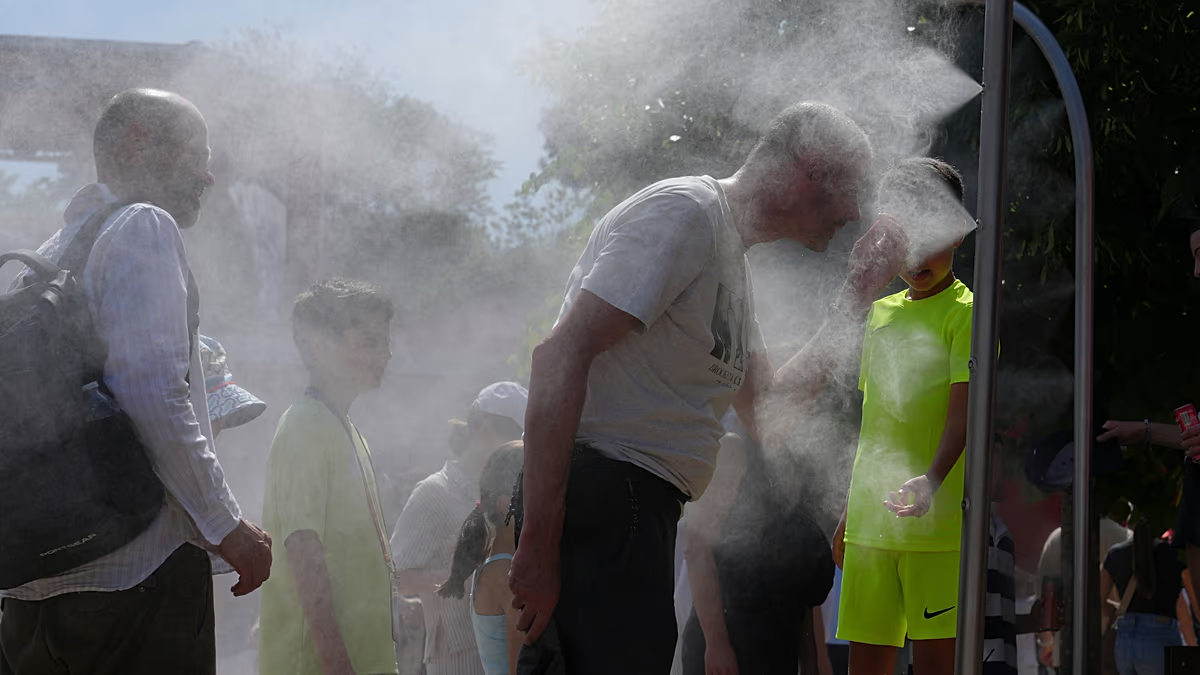
The immediate human response to this sudden heat was visible in public spaces across the affected regions. Parks, public fountains, and any available shaded areas became crowded sanctuaries for residents and tourists alike, all seeking refuge from the unrelenting sun. The scene was one of adapted routines and forced respite. Health officials urgently disseminated advice, pleading with the public to stay meticulously hydrated, to avoid strenuous outdoor activity during the peak hours of the day, and to check on vulnerable neighbours, the elderly, and the very young. This public health messaging underscored the serious risks that such early heat carries, as populations are not yet acclimatised to high temperatures. The warmth, while perhaps initially welcome after a long winter, quickly revealed its dangerous edge, transforming a sunny day into a public health concern.
The heat dome extended its reach further south, with meteorologists issuing warnings for parts of Spain. Forecasts indicated temperatures would climb into the mid-30s Celsius later in the week, while some inland regions braced for conditions approaching or even slightly exceeding 38°C. Experts were quick to label these projections as highly unusual for the time of year, emphasising that such intensity is a hallmark of the changing climate. This pattern of early-season heat extremes is becoming a more frequent reality, disrupting agricultural cycles, straining energy grids as cooling demand surges, and altering the natural rhythms of ecosystems. The late-May timeline made the event particularly notable, signalling that the traditional boundaries of summer are blurring.
The scientific context for this extreme weather event is unequivocal. Climate scientists have long warned that human-induced climate change is making heatwaves across Europe—and globally—start earlier, last longer, and reach more intense peaks. This late-May episode served as a textbook case study. In the hardest-hit areas of France, the UK, and Spain, temperatures registered a staggering 10 to 11°C above the expected seasonal averages. This is not a minor fluctuation but a dramatic and dangerous anomaly. The background warming of the planet, driven by greenhouse gas emissions, provides a higher baseline temperature, upon which natural weather variability now stacks these record-shattering spikes. Each new heatwave in this altered climate carries a significantly heavier burden.
Tragically, the human cost of this meteorological phenomenon began to emerge even as the records were being set. The heat has already been directly linked to a spike in heat-related illnesses, including dehydration, heat exhaustion, and heatstroke. In a sombre reminder of the physical toll, the death of a man who suffered a fatal cardiac arrest during a race in Paris over the weekend was attributed to the extreme conditions. These individual tragedies underscore that behind the headline-grabbing statistics are real vulnerabilities and profound losses. They highlight the urgent need for robust heat action plans, early warning systems, and public awareness campaigns that treat heatwaves with the same seriousness as other natural disasters.
In conclusion, the late-May heatwave of 2024 was more than a passing weather story; it was a climate wake-up call. From the record books of Kew Gardens to the public squares of Nantes and the forecast maps for Spain, the event wove a consistent narrative of a world warming at an alarming pace. The shattered records, the crowded parks seeking relief, and the heartbreaking fatalities together paint a comprehensive picture of a new reality. These early-season extremes are a potent signal that the impacts of climate change are not a distant future threat but a present-day experience, demanding immediate adaptation and unwavering mitigation efforts to secure a livable future.