



Paragraph 1
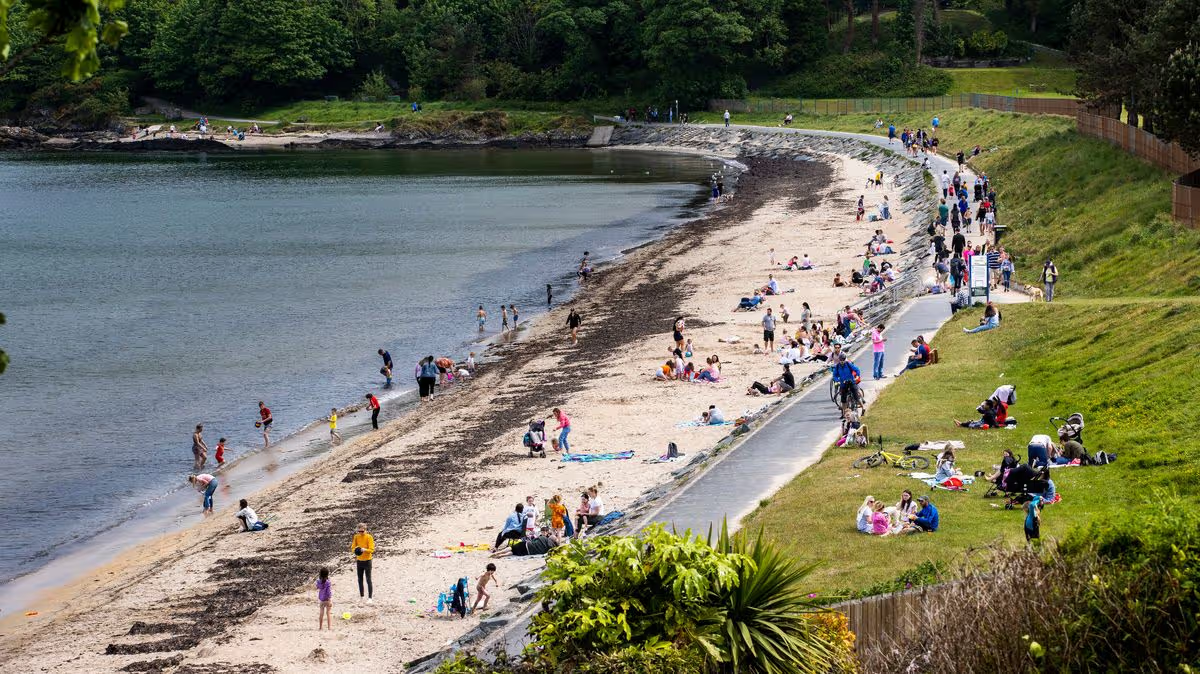
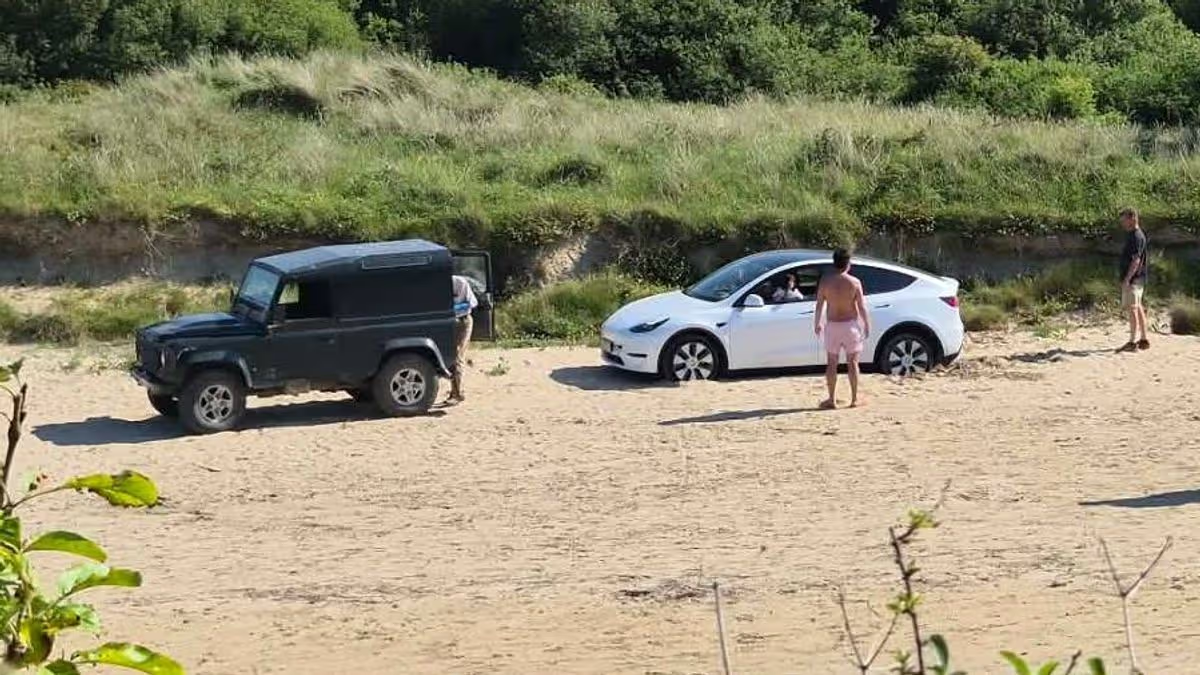
A serene summer day on Tregirls Beach in Padstow, Cornwall, was abruptly disrupted by an act of astonishing entitlement during a recent heatwave. In a scene that left sunbathers and families bewildered, a gleaming white Tesla sedan was driven directly onto the soft sands, transforming a public space for leisure into a private parking spot. The vehicle, notably displaying a parking permit for the affluent Barnes area of southwest London, remained planted on the beach for hours, an intrusive metal island amidst the towels and buckets. This brazen act immediately drew the ire of locals, for whom the beach is a cherished community space, not a driveway. The incident underscored a growing tension in popular tourist destinations, where visitor disregard can clash violently with local norms and environmental care.
Paragraph 2
The situation escalated quickly from a mere nuisance to a direct confrontation. A concerned local from Truro, recognizing the illegality and sheer recklessness of parking a car on the beach, approached the driver to ask him to move. Rather than showing any contrition or awareness, the driver responded with aggressive hostility, telling the individual to “f**k off” and asserting he could park wherever he liked. Witnesses reported he also shouted at an elderly woman who similarly challenged him. This interaction highlighted a profound lack of respect, reducing a shared natural treasure to a personal convenience. The local’s frustration was palpable, later remarking that community members, like farmers, have significant responsibilities and should not have to waste time “on this moron,” a sentiment that echoed the feelings of many present.
Paragraph 3
The poetic justice of the situation was not long in arriving. The very sand that makes Tregirls Beach beautiful soon became the driver’s undoing. As the tide of afternoon turned, attempts to drive the electric vehicle back off the beach proved futile; its tires sank firmly into the deep, soft sand, trapping it. By 5 p.m., the stranded Tesla required a tow to be freed, a task believed to have been assisted by a local farmer. This comedic yet fitting conclusion served as a stark reminder that natural landscapes are not engineered for automotive convenience. The spectacle of the expensive car being hauled from its sandy trap provided a dose of humbling karma for the driver and a moment of vindication for onlookers who had witnessed his earlier arrogance.
Paragraph 4
The gravity of the driver’s irresponsible choice was magnified by the vital function of the beach access route he had used. This pathway is not a casual entry point; it is relied upon by emergency services for life-saving responses. Tragically, just 24 hours before this incident, the true purpose of that access was harrowingly demonstrated. Emergency crews had raced to Tregirls Beach after a man in his 60s, a local resident, suffered a cardiac arrest in the sea while heroically attempting to rescue two family members. While the family members were brought to safety by the public, the man was pronounced dead at the scene. This somber context casts the Tesla driver’s actions in an even more damning light, showcasing a reckless disregard for a corridor that can mean the difference between life and death.
Paragraph 5
The fallout from the incident extended beyond the beach itself, spilling into the court of public opinion. Photographs of the stranded white Tesla circulated swiftly online, fueling widespread condemnation and debate about respect, privilege, and environmental stewardship. For the Cornwall community, it felt like another flashpoint in the ongoing challenges posed by seasonal tourism, where a minority of visitors operate with a sense of impunity. The driver’s apparent out-of-town status, signaled by the London parking permit, unfortunately fed into broader narratives about visitors ignoring local rules. The event sparked conversations about the need for clearer signage, enforcement, and a shared ethic of preservation in fragile coastal ecosystems.
Paragraph 6
Ultimately, this episode on Tregirls Beach is a microcosm of a larger societal friction. It contrasts a mindset of individual entitlement against the principles of communal responsibility and environmental respect. While the physical imprint of the Tesla’s tires was washed away by the tides, the symbolic mark it left is deeper. It serves as a cautionary tale about the consequences of arrogance and a powerful reminder of the true value of these coastal spaces—as sources of community life, natural beauty, and critical pathways for emergency aid. The hope is that such incidents inspire greater mindfulness in all who visit, urging them to tread lightly, act respectfully, and remember that some treasures, like a quiet beach, are not meant to be driven upon.