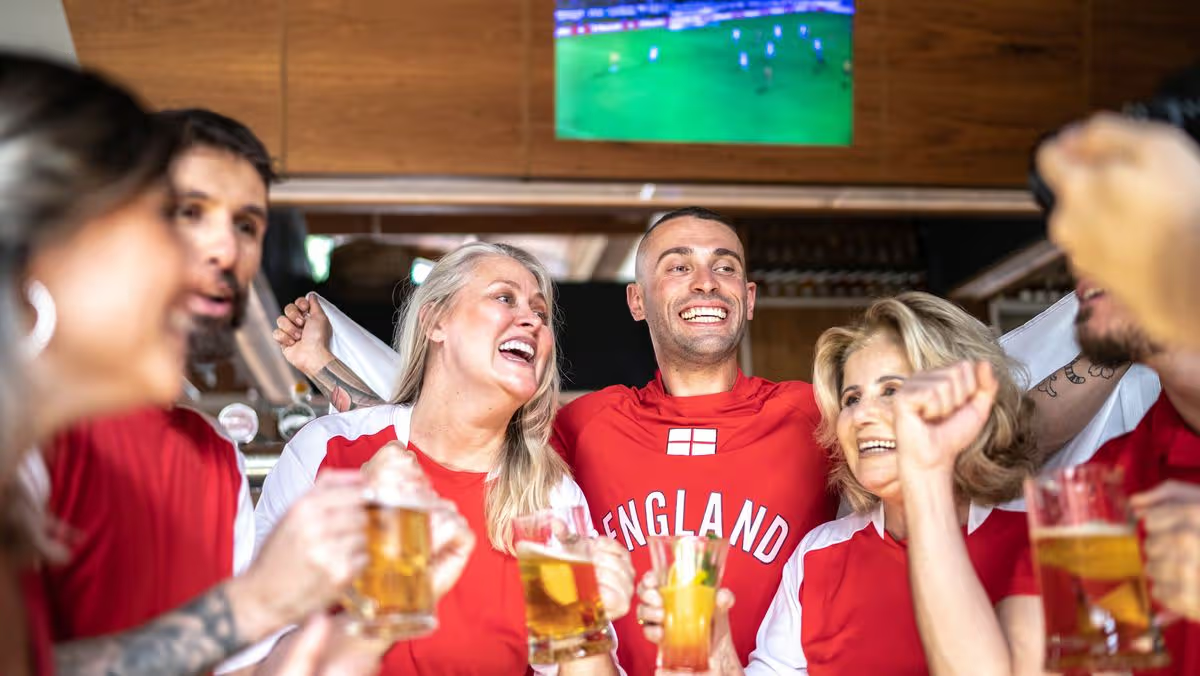


The beautiful game and the traditional British pub have long been considered an inseparable pairing, a place where communal joy, despair, and camaraderie are poured as readily as the pints. However, a new study reveals this iconic relationship is facing significant strain. A comprehensive poll of 2,000 adults indicates that a full half of Britons intend to avoid watching World Cup matches at their local pub this tournament season. This marks a potential sea change in social habits, driven not by a loss of love for football, but by practical and economic pressures. The late-night kick-off times for many games, coupled with the soaring cost of a pint and a round for friends, are creating a formidable barrier. For pubs, which often rely on major sporting events for a vital financial boost, this trend represents more than empty stools; it signifies a worrying dip in essential revenue, estimated at nearly £33 lost per absent customer per game.
Delving deeper into the survey data paints a clear picture of a nation reluctantly retreating to their living rooms. One-third of respondents explicitly plan to watch from home, citing convenience and comfort. The issue of timing emerges as the predominant obstacle, with 16% pinpointing inconvenient match schedules as their primary grievance. The human body clock and daily responsibilities are proving inflexible opponents: the average fan draws the line at a 9 p.m. kick-off for a pub visit, rendering many later games a sofa-only affair. Furthermore, work commitments hinder 17% of potential patrons, while 14% note that unusual kick-off times clash directly with parenting duties. For another 12%, the potential for midweek disruption is enough to keep them away, highlighting how the tournament’s schedule is at odds with the rhythm of modern life.
The financial aspect cannot be overstated. For 15% of those surveyed, the simple cost of a round of drinks is the decisive factor in staying home. In an era of tightened household budgets, the expense of an evening out—covering transport, elevated pub prices, and perhaps food—is a calculated choice many are opting to forgo. This economic hesitation is compounded by a quieter, yet notable, 7% who admit to being less interested in this year’s tournament altogether. Perhaps most tellingly for the health of the community hub, nearly a quarter (23%) cited difficulties getting home after a late match as a key obstacle, a practical concern that transcends mere cost. These are not trivial complaints, but the genuine, logistical realities that are reshaping social traditions.
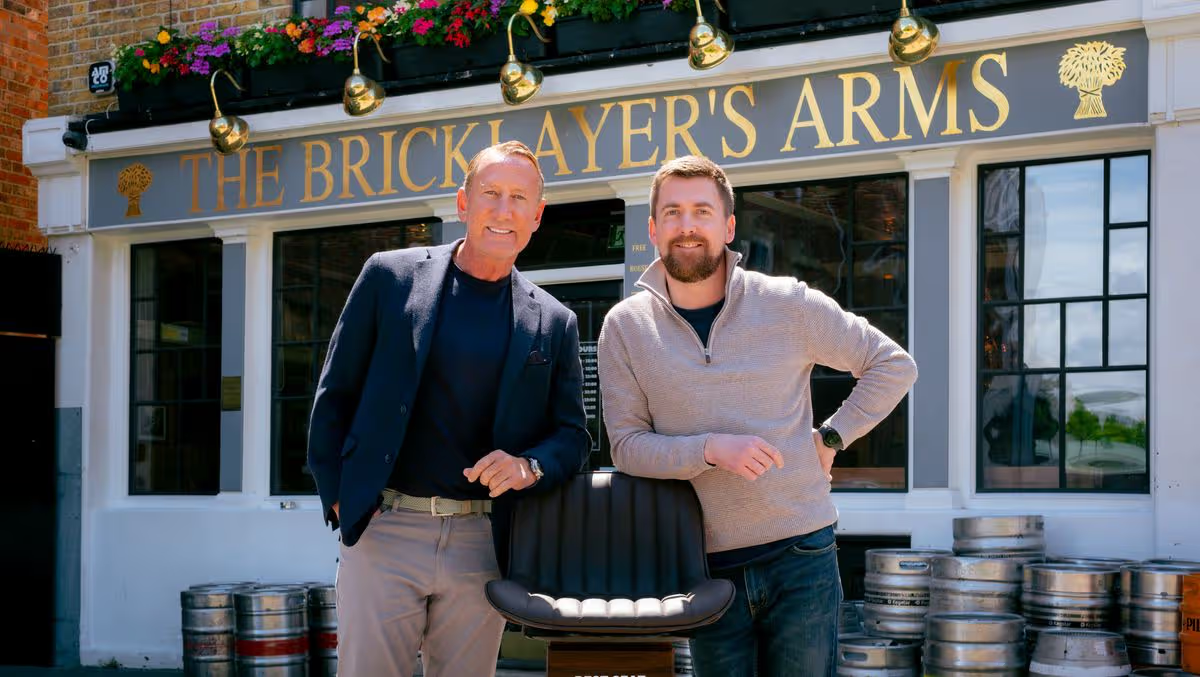
The impact on the pubs themselves is severe and multi-layered. The research, commissioned by insurer Simply Business, found that 21% of people have already noticed fewer pubs in their local area planning to screen the football this summer—a sign that some publicans themselves are questioning the viability of hosting events. This comes at a time when the hospitality industry is grappling with immense pressures. Chris Walsh, landlord of The Bricklayer’ s Arms in Putney, speaks for many when he describes an “incredibly tough period ahead.” He emphasizes that running a pub is “about so much more than just pouring pints,” highlighting their role as “the absolute beating heart of their communities.” The potential loss of World Cup trade threatens not just turnover, but the very vibrancy and communal spirit these institutions foster.
In response to this concerning trend, Simply Business has launched the “Best Seat in the House” campaign, a call to action for the public to consciously support their local independents. The initiative, featuring an installation at The Bricklayer’ s Arms, invites people to nominate and pledge to watch a match at their favourite local pub, with the most popular venue winning £5,000. The campaign has garnered support from figures like former Arsenal and England midfielder Ray Parlour, who co-owned a pub himself. He passionately argues, “There’s nothing quite like being in your local, cheering on your team and celebrating with friends and strangers alike.” He stresses that landlords are “fighting harder than ever just to keep the doors open,” and that supporting them is a direct investment in community pillars run by individuals who have poured their lives into their businesses.
Despite the prevailing headwinds, the underlying passion that binds football, pubs, and community endures. The data offers a glimmer of hope: 41% of respondents said that if their national team advances deep into the tournament, they would be more likely to head to the pub, suggesting that the allure of shared, historic moments remains powerful. Julie Fisher, UK CEO of Simply Business, encapsulates the sentiment, noting that independent pubs offer a “unique experience that should be cherished.” Her message, and the core of the campaign, is a simple reminder: the magic of a major tournament is amplified by collective experience. This summer, the truest atmosphere, the most heartfelt celebrations, and the most resonant commiserations will not be found on the solitary sofa, but in the communal embrace of the local pub. Choosing to take a seat there is more than a leisure decision; it’s an act of preservation for a cherished cultural heartbeat.