



Here is a humanized and expanded summary of the incident, structured into six paragraphs as requested.
Paragraph 1: A Sudden Disruption to a Peaceful Morning
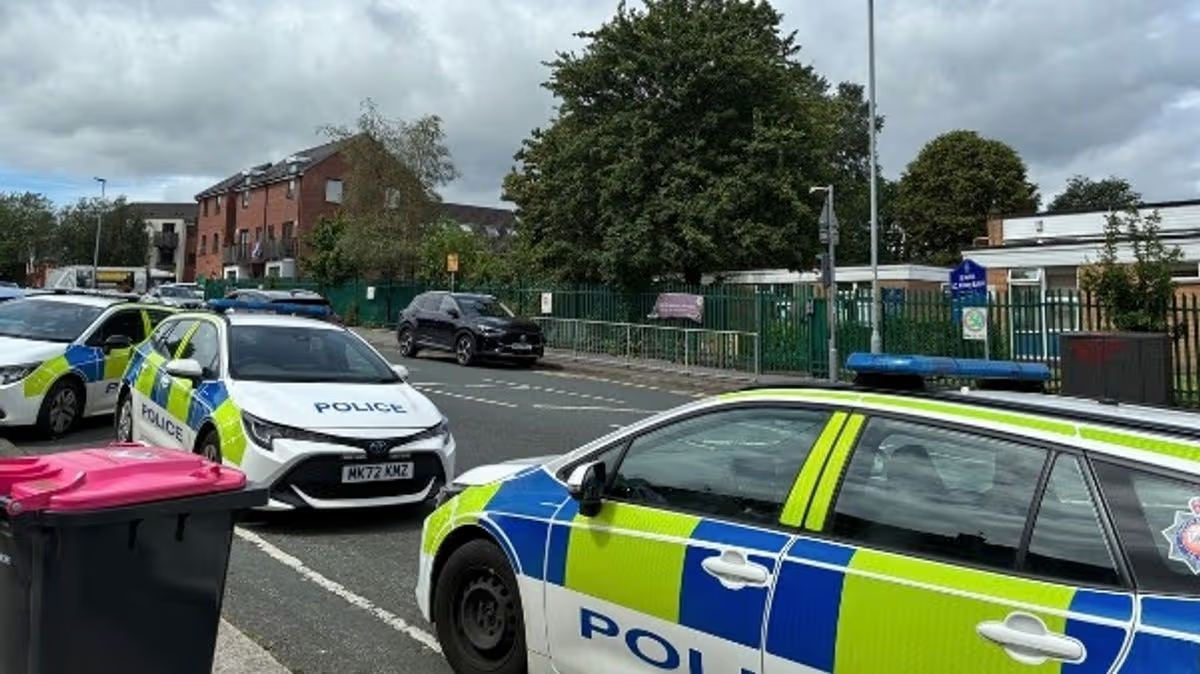
On a seemingly ordinary Friday morning, the familiar rhythm of St Marks R C Primary School in the Clifton area of Salford was shattered. Instead of the sounds of lessons and playground laughter, the air was filled with the urgent wail of sirens and the sight of flashing blue lights. Multiple police vehicles converged on Queensway, swiftly surrounding the school grounds. For parents dropping off their children and local residents going about their day, the sudden and heavy police presence was an immediate and visceral signal that something was terribly wrong. The school, a cornerstone of the community, was abruptly plunged into a protective lockdown, transforming a place of safety and learning into the center of an alarming incident.
Paragraph 2: The Incident That Triggered the Alarm
The cause of this dramatic response was a deeply concerning intrusion. According to reports, a man had entered the school premises carrying a brick. His actions—using the brick to damage a window—instantly triggered alarm among the school staff, whose foremost instinct is the protection of the children in their care. The image of an unauthorized individual on the grounds, especially one acting destructively, represents a profound breach of the safe haven a school is meant to be. While the physical damage was to property, the psychological impact of such a violation runs deeper, sowing seeds of fear and anxiety in what should be a secure environment for both pupils and educators.
Paragraph 3: A Swift and Controlled Police Response
The response from Greater Manchester Police was rapid and decisive. Officers arrived on the scene quickly, a testament to the high priority placed on incidents involving schools and children. Their primary objective was to secure the area, ensure the immediate safety of everyone inside, and gain control of the situation. They successfully detained the man without further incident or harm coming to any staff or pupils—a crucial detail that, amidst the chaos, offered a significant measure of relief. The police’s ability to swiftly de-escalate the scenario prevented what could have been a far more traumatic event, showcasing the professionalism and training of the emergency services in managing high-pressure crises.
Paragraph 4: Compassion Amidst Crisis: The Welfare Concern
In the hours following the incident, a more nuanced and compassionate picture emerged from the initial shock. A police spokesperson revealed that the call was logged not purely as a crime, but as a “concern for welfare.” It was reported that the man involved was “potentially suffering a medical episode.” This critical context shifts the narrative slightly, framing the event not as one of malice, but potentially of personal crisis and distress. The man was subsequently taken by ambulance to hospital for assessment and care. This detail reminds us that behind many public disturbances lie complex human stories involving mental health or medical emergencies, requiring a response that balances public safety with empathy and appropriate medical intervention.
Paragraph 5: The Ripple Effects on the School Community
In the aftermath, the school leadership faced difficult decisions. Prioritizing the emotional well-being of their students and staff, they made the choice to close the school for the remainder of the day. Children were seen leaving the premises, reunited with anxious parents, their educational routine disrupted by an event they likely only partially understood. The sight of a crime scene investigation van parked outside later in the afternoon underscored the seriousness with which authorities were treating the incident, as they worked to formally piece together the exact sequence of events. The closure, while disruptive, was a necessary step to allow for a full police assessment and to give the school community space to process the morning’s frightening events before attempting a return to normality.
Paragraph 6: Reflection and Moving Forward
As the immediate emergency subsided, leaving behind a repaired window but lingering unease, the community was left to reflect. The incident at St Marks serves as a stark reminder of the vulnerabilities faced by even our most protected institutions and the incredible pressure on school staff who act as first responders in such crises. It also highlights the multifaceted role of police forces, who must act as both protectors and, in cases involving welfare, as a gateway to healthcare support. In the coming days, the focus will rightly turn to healing—offering support to any children or staff shaken by the experience, reviewing security protocols, and restoring the school’s sense of peaceful sanctuary. Ultimately, the story is one of a crisis contained, harm avoided, and a community navigating the complex path from fear back to safety.