


Paragraph 1
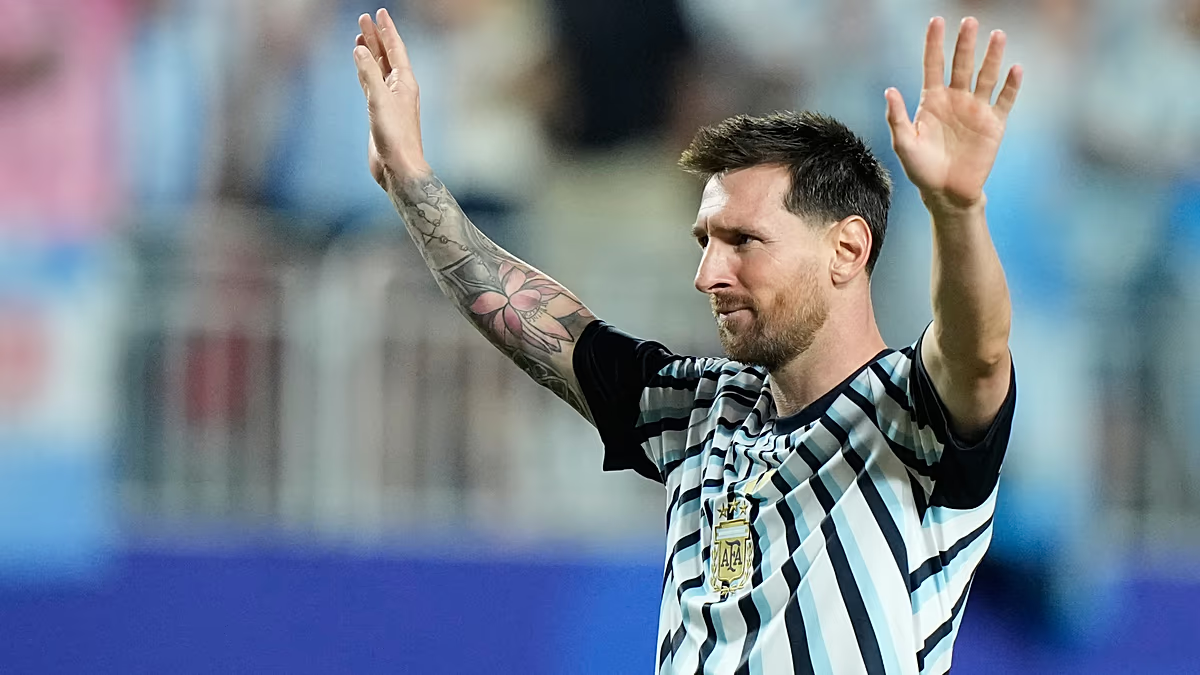
On June 19, 2026, the world of football was shaken by a wave of concerning rumors originating from Lionel Messi’s home country of Argentina. Reports began to circulate claiming the passing of the legendary player’s father, Jorge Messi. These unverified claims spread rapidly, creating a climate of anxiety and uncertainty among fans and media outlets alike. Amidst this growing speculation, the Messi family was forced to intervene directly to address the situation, highlighting the often intrusive and distressing nature of public life, even for a global icon during a major tournament like the World Cup.
Paragraph 2
In response to the swirling and inaccurate reports, the family released an official statement through Messi’s media office. With clarity and a plea for dignity, they sought to set the record straight. The statement confirmed that Jorge Messi was indeed facing a health challenge, but firmly and categorically denied the gravest of the rumors. “Jorge is going through a health situation,” the family communicated, providing a measured update. They emphasized that he was “currently under medical observation, recovering and progressing favorably within his current condition.” This careful wording offered reassurance while rightfully maintaining a boundary around the private details of his medical care.
Paragraph 3
The family’s statement carried a profound and necessary message about compassion and respect. They explicitly appealed for public understanding, stating, “In moments like this, we ask for responsibility, prudence, and humanity.” This call highlighted a fundamental tension in modern celebrity culture: the public’s curiosity versus an individual’s right to privacy, especially during vulnerable times. The family underscored that “a person’s health and the peace of mind of those around them should not be the subject of speculation or irresponsible media interest.” This was not merely a request but a firm reminder of the human reality behind the headlines.
Paragraph 4
This personal crisis unfolded against the backdrop of Messi’s professional duties with the Argentine national team at the World Cup. Just days earlier, following Argentina’s 3-0 victory over Algeria in their opening match, Messi had hinted at his private struggles. In a post-match interview, he admitted, “I’ve had some tough days. It wasn’t related to soccer,” choosing not to elaborate further. This brief acknowledgment now resonated with deeper significance, revealing the immense personal pressure he was carrying even as he performed on the world’s biggest sporting stage. It painted a picture of an athlete balancing immense personal concern with professional responsibility.
Paragraph 5
By asserting that any further developments would be communicated solely by the family, the statement established a crucial boundary. It served as a directive to the media and the public, redirecting the narrative away from gossip and towards official channels. This move was essential for protecting the family’s peace and ensuring that Jorge Messi’s recovery could proceed without the added strain of public scrutiny and misinformation. It was an act of taking control in a situation that had, for a brief period, spiraled beyond their grasp due to unfounded rumors.
Paragraph 6
Ultimately, this episode transcends the specifics of a sports star’s life and touches on a universal human experience. It is a story about the weight of familial love, the challenge of navigating private pain in a public spotlight, and the collective responsibility we share in respecting those boundaries. The Messi family’s handling of the situation—providing necessary reassurance while fiercely guarding their privacy—stands as a dignified model for managing personal crisis under relentless public attention. It reminds us that behind every famous name is a family seeking normalcy, care, and space during difficult times, virtues that deserve respect above all else.