



Paragraph 1
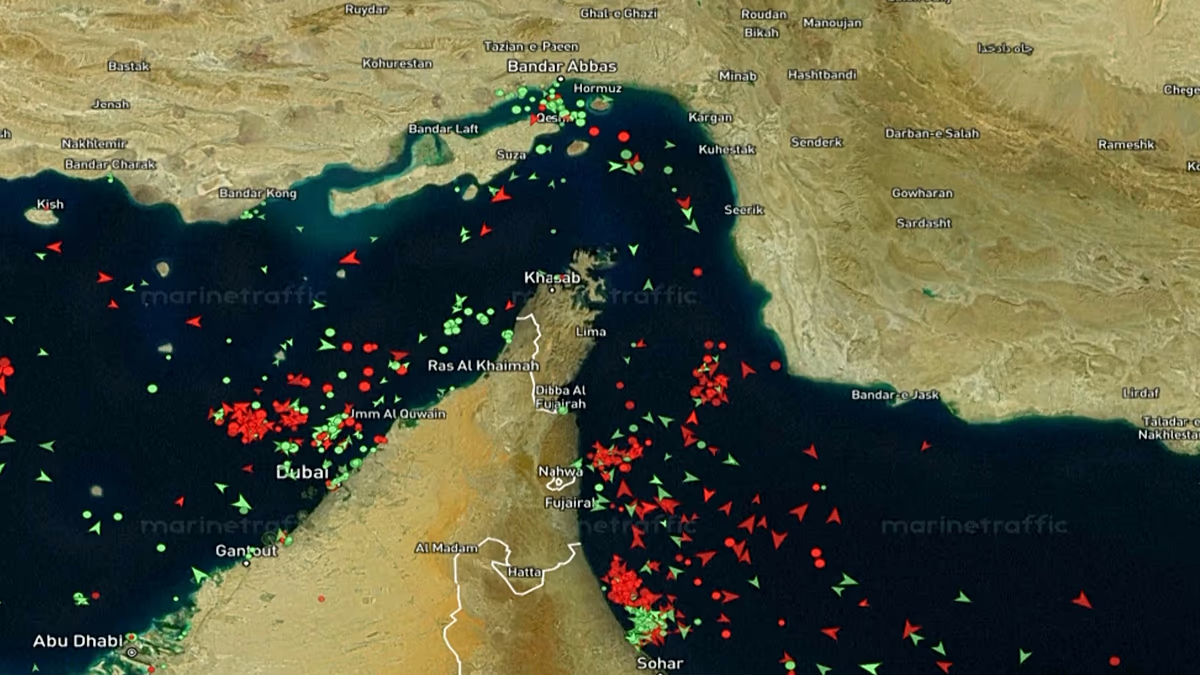
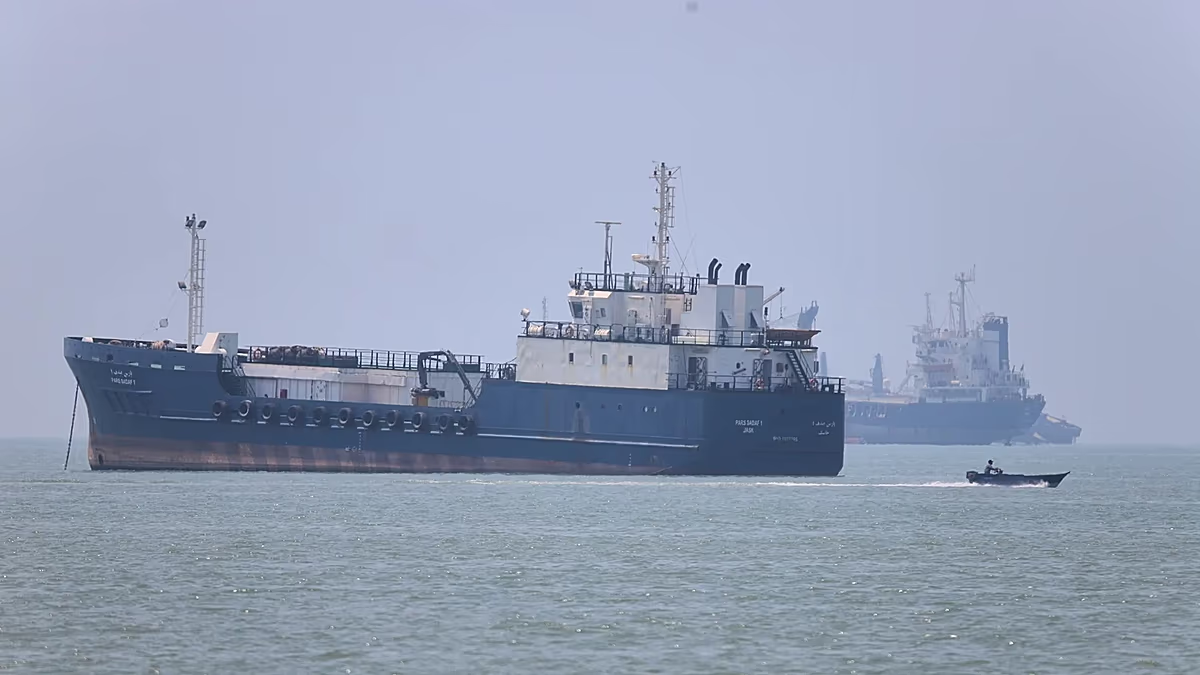
A fragile calm in one of the world’s most critical maritime corridors has been shattered. Recent reports indicate that Iran has once again moved to close the Strait of Hormuz, the narrow passage through which roughly a fifth of the global oil supply flows. This action immediately casts a shadow of doubt over a recently signed memorandum of understanding between the United States and Iran, a tentative agreement that had offered a glimmer of hope for de-escalation. The news, shared via social media by Iranian activist Ilia Hashemi, sent ripples of anxiety through global energy markets and diplomatic circles. According to these reports, warning shots were allegedly fired in the area, with vessels being instructed not to approach, suggesting a return to the tense standoffs that have long characterized this strategic waterway.
Paragraph 2
The situation on the water, however, quickly evolved into a confusing and contradictory mess, highlighting the opaque nature of such crises. Shortly after the initial alarm, Hashemi noted that the warning fire had ceased. More perplexingly, ships attempting to radio for clarification were met with silence, leaving captains in a dangerous limbo. In the midst of this confusion, a separate entity, the Persian Gulf Strait Authority, issued its own communiqué. It announced that the Strait was not universally closed, but would instead operate on a strict permit system. The authority stated that compliant vessels submitting transit requests at least 48 hours in advance would be allowed passage during a specified period, even offering a 60-day fee waiver. This created a stark contradiction: unverified reports of a closure versus an official, yet highly restrictive, framework for transit.
Paragraph 3
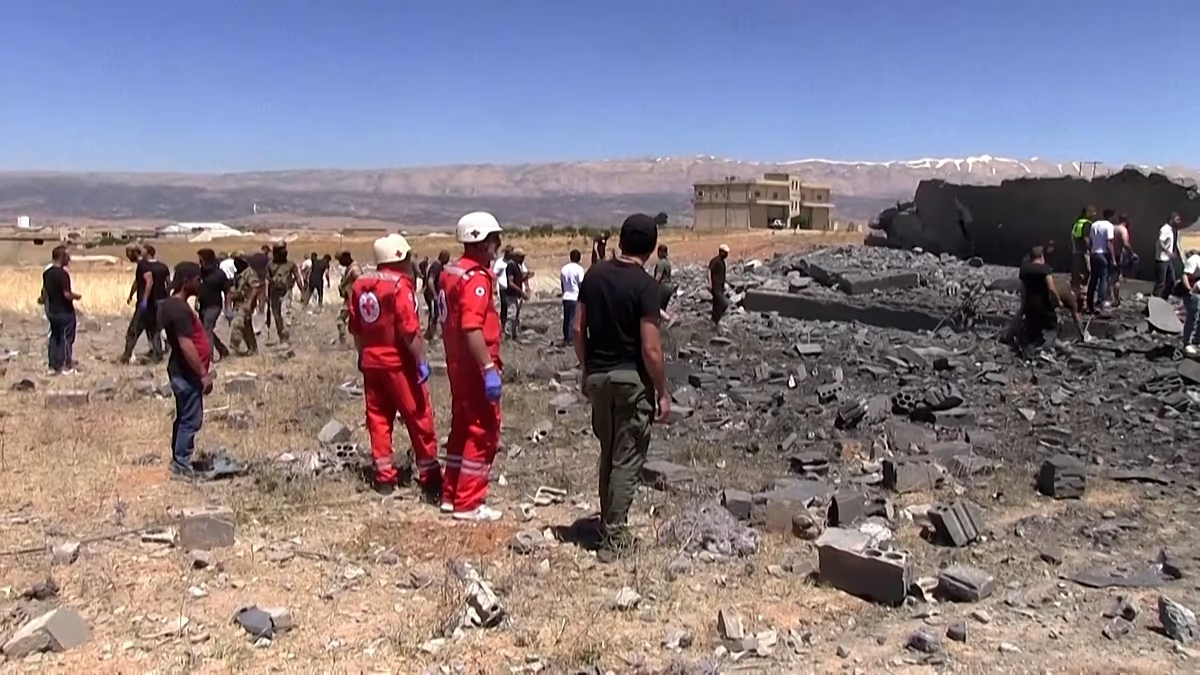
This maritime tension cannot be viewed in isolation. It erupted simultaneously with a severe and deadly escalation of conflict on Israel’s northern border with Lebanon. A series of strikes were exchanged overnight, marking one of the most intense periods in the ongoing low-level war between Israel and the Iranian-backed Hezbollah militia. The human cost was immediately felt; the Israeli military confirmed the deaths of four soldiers from a drone strike on Thursday, with five more wounded in another attack on Friday. This loss of life on Israeli soil prompted a fierce and grim response from the country’s leadership, setting the stage for a punishing retaliation.
Paragraph 4
Israeli Prime Minister Benjamin Netanyahu vowed not to tolerate the attacks, promising to “exact a very heavy price from Hezbollah.” His rhetoric was echoed and amplified by the far-right National Security Minister, Itamar Ben-Gvir, who infamously called for “all of Lebanon” to “burn.” Following through on these threats, the Israeli Defense Forces launched extensive airstrikes across southern Lebanon, targeting what they described as Hezbollah operatives and infrastructure. The retaliatory strikes reportedly killed at least 18 people, a stark reminder of how quickly localized clashes can spiral, devastating communities and claiming lives on both sides of the border.
Paragraph 5
These two simultaneous crises—the ambiguity in the Strait of Hormuz and the violent flare-up between Israel and Hezbollah—are intimately connected through the regional influence of Iran. Hezbollah is Tehran’s most powerful proxy, and actions in Lebanon are often seen as extensions of Iranian foreign policy. The timing of the reported Hormuz closure is therefore deeply provocative and strategic. It can be interpreted as a demonstration of Iran’s ability to exert pressure on a global scale, potentially in response to, or as a warning regarding, the strikes against its ally. This creates a multi-front pressure campaign, challenging the United States and its allies on both the energy security and military fronts.
Paragraph 6
The culmination of these events delivers a severe blow to diplomatic efforts. Notably, scheduled talks between the U.S. and Iran, aimed at implementing their initial peace agreement, were abruptly postponed amidst this turmoil. The closure of the Strait, whether fully enacted or merely threatened, and the intensified conflict in Lebanon represent actions directly at odds with the spirit of dialogue. This sequence of events paints a picture of a region standing at a crossroads, where hardline actions and military posturing are overwhelming fragile diplomatic channels. The hope offered by the recent memorandum now seems distant, replaced by the familiar and dangerous drumbeat of escalation, leaving the international community to brace for what might come next in an increasingly volatile landscape.