

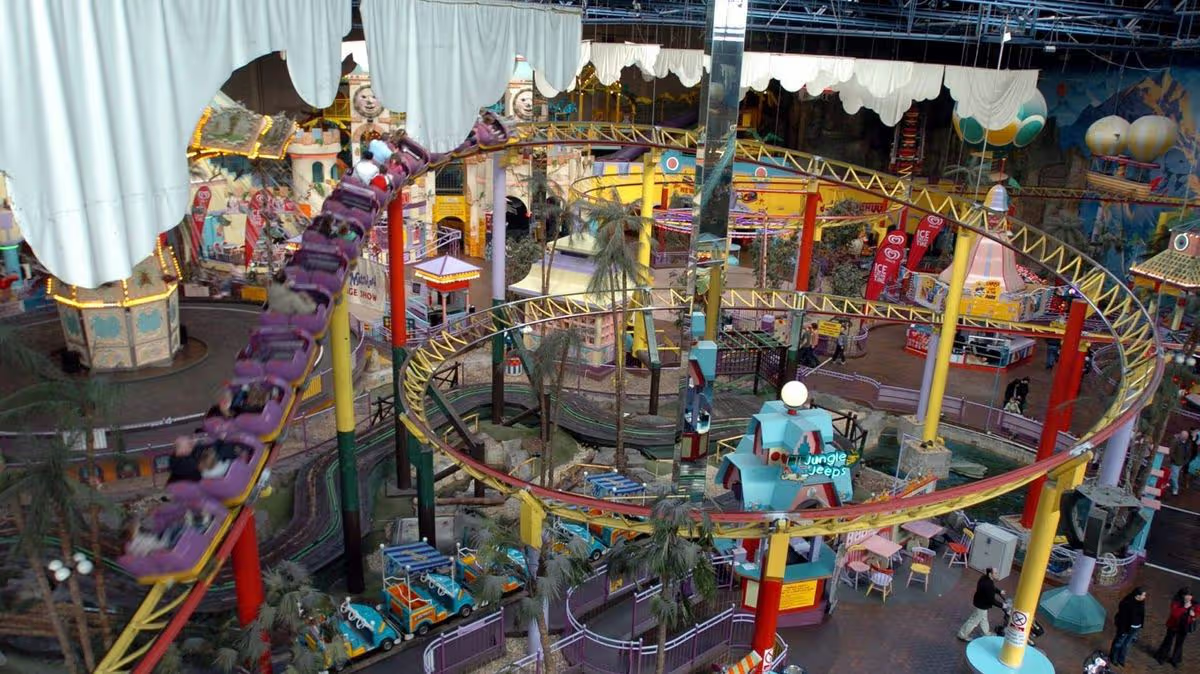
For two glorious decades, nestled within the sprawling Metrocentre shopping complex in Gateshead, England, there thrived a kingdom of pure, unadulterated joy known as Metroland. It wasn’t just an amusement park; it was a monumental indoor city of fun, a vibrant sanctuary of sound and colour that proudly held the title of Europe’s largest indoor theme park. Conceived by visionary John Hall and inspired by Canada’s West Edmonton Mall, this £20 million wonder opened its doors in 1988, fundamentally redefining the very concept of a family day out in the North East. It was a revolutionary idea: parents could embark on a shopping expedition knowing their children were just a short walk away, immersed in a world of rollercoasters, rides, and endless entertainment. More than a collection of attractions, Metroland became the beating heart of the Metrocentre, a place where the mundane errand of shopping was transformed into a full-day adventure filled with shared laughter and collective memory-making.
Within its cavernous, climate-controlled confines, a universe of delights awaited. Guests could feel the rush of wind on the Wonderful Wave-Swinger, experience the dizzying spins of the waltzer, or embark on a swashbuckling journey on the pirate ship. For younger adventurers, there were gentle toadstool seats, a charming miniature railway, and an expansive soft-play area brimming with climbing frames, nets, and slides. The echoing cheers and tinny melodies of an extensive indoor arcade provided a constant soundtrack, while the mirror maze offered moments of bewildering fun. At the center of it all stood the park’s iconic centerpiece: a huge, twisting rollercoaster that, after a vibrant revamp in 1996, was famously and simply rebranded as ‘The New Roller Coaster,’ painted a majestic purple. This eclectic mix of thrills and gentle fun, complemented by a food court featuring familiar names like Burger King, meant families could easily lose entire afternoons and evenings in this self-contained paradise.
Yet, all golden eras must eventually sunset. In 2008, with little warning, the announcement came that Metroland would close its doors for good. The community was granted one final, bittersweet hurrah—a farewell weekend where unlimited ride access was offered for a mere £5. Thousands flocked to say goodbye, riding their favorite attractions one last time, soaking in the familiar sights and sounds as the clock ticked down to 8 p.m. on April 21st. When the lights dimmed and the gates were locked that night, a profound silence fell where once there had been ceaseless exhilaration. The closure, attributed to lease complications and large-scale redevelopment plans for the site, felt abrupt and left a tangible void in the region’s cultural landscape.
The departure of Metroland left more than just an empty physical space; it created a lasting emotional nostalgia that persists to this day. On social media platforms like Facebook, pages dedicated to North East history regularly share archival photographs of the park, triggering avalanches of affectionate reminiscence. Former patrons speak not just of the rides, but of the feeling Metroland embodied. “Metrocentre has no soul now,” laments one commenter, echoing a common sentiment. Others describe the contemporary shopping experience as a “chore,” a stark contrast to the all-day destination Metroland helped create. The prevailing memory is of a place that was alive, a communal hub that offered more than consumerism—it offered shared experience and joy. For a generation, it was the backdrop to birthday parties, family celebrations, and childhood milestones.
In the years since, the space once occupied by those winding coaster tracks and echoing arcades has been reconfigured. While the area now houses a cinema, various restaurants, and other family-friendly venues, there is a broad consensus that these modern offerings, though pleasant, cannot replicate the unique magic of Metroland. They are segmented and commercial, lacking the integrated, immersive wonder that made the indoor theme park so special. The park was a masterpiece of its time, a bold experiment in combining retail and leisure under one colossal roof. Its scale and ambition have never been replicated on the site, leaving many to feel that the soul of the complex departed with Metroland’s closure.
Today, Metroland exists as a vibrant ghost in the collective memory of the North East—a symbol of a brighter, louder, more whimsical past. It represents an era of grand indoor entertainment before the digital age fully took hold, a place where fun was tangible, shared, and thrillingly physical. Its story, from its groundbreaking opening to its emotionally charged finale, is a testament to how spaces can transcend their primary function to become beloved community institutions. For those who walked its vibrant corridors, screamed on its purple rollercoaster, or simply gazed up in wide-eyed wonder, Metroland remains not just a former theme park, but a cherished chapter in the story of their lives and their region.