


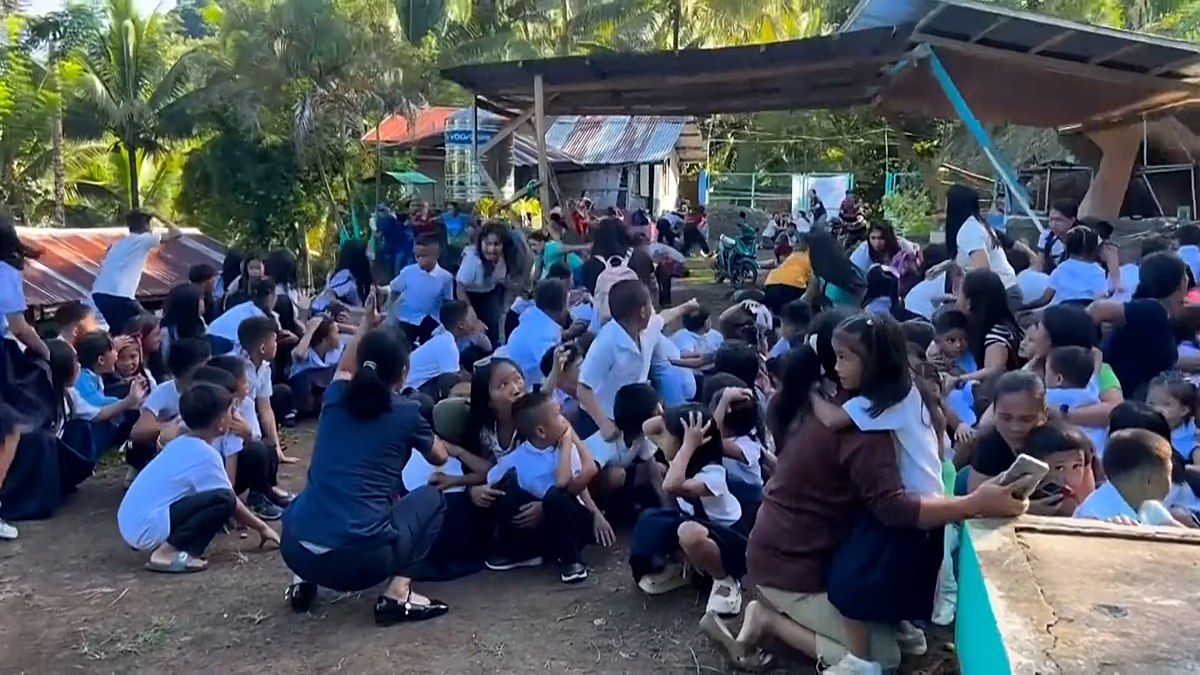
A powerful earthquake struck the southern Philippines, a region all too familiar with the trembling of the earth. The ground convulsed, a sudden and violent reminder of nature’s force, shattering the ordinary rhythm of a school day. In a harrowing moment captured on video, a school canopy—a structure meant to provide shelter from the sun and rain—transformed into a source of peril. Children, their voices sharp with terror, screamed and scrambled for cover as the metal framework groaned and gave way. This single, chaotic scene became the visceral symbol of the disaster, encapsulating the suddenness with which safety can vanish and the profound vulnerability of the young in the face of such events. It was not just infrastructure that failed in that instant, but the very promise of security that every schoolyard should hold.
The immediate aftermath was a landscape of dust, debris, and distress. Beyond the collapsed canopy, the earthquake’s wrath was widespread, carving a path of destruction across communities. Initial reports confirmed at least four lives lost, a number that carries the immeasurable weight of personal tragedy for families plunged into mourning. More than 200 people sustained injuries, overwhelming local clinics and hospitals with a surge of patients suffering from fractures, lacerations, and the deep psychological shock of the experience. Rescue workers and volunteers, often neighbors helping neighbors, dug through rubble with a desperate urgency, their efforts a race against time and aftershocks. The air was filled not just with the sound of sirens, but with the collective anxiety of a population assessing the damage to their homes, their histories, and their sense of normalcy.
To understand the impact of this quake is to understand the context of the Philippines itself. The archipelago sits on the volatile Pacific Ring of Fire, a horseshoe-shaped zone of constant tectonic activity where plates grind and collide. For the people of the southern islands, seismic sensors and earthquake drills are a routine part of life, a necessary education in resilience. Yet, knowledge of a threat can never fully dull the shock of its arrival. This event is part of a long and difficult history for the region, which has endured numerous powerful quakes in recent decades, each leaving scars on the land and the collective memory. This persistent geological reality means that rebuilding is not just a recovery task, but a cyclical challenge, demanding construction standards and community preparedness that can withstand the inevitable next test.
In the wake of the shaking, the true character of the affected communities began to shine through the dust. The narrative quickly expanded from one of pure destruction to one of determined response. Teachers, having ensured their students were as safe as possible, became makeshift first responders. Local government units, despite damaged offices and disrupted communications, mobilized quickly to coordinate relief efforts. Ordinary citizens shared food, water, and temporary shelter, embodying the Filipino spirit of bayanihan—the tradition of communal unity and effort. While national agencies and international aid groups assessed the logistical needs for longer-term recovery, this initial, grassroots wave of support formed the critical first layer of care, proving that humanity’s instinct to help one another can be the most powerful counterforce to disaster.
Looking ahead, the road to recovery will be long and arduous. For the families of the four who perished, grief will be a permanent companion. For the hundreds injured, physical and emotional healing will take time and sustained support. The structural damage to schools, homes, and businesses will require significant investment and labor to repair, a daunting task for communities where livelihoods may have been disrupted by the very same event. The psychological impact on the children who witnessed the canopy’s collapse and felt the world give way beneath them cannot be overlooked; counseling and a gentle return to routine will be as important as rebuilding walls. The quake exposes the ongoing need for robust, earthquake-resilient infrastructure and continuous public education, turning the lessons of this tragedy into actionable change for a safer future.
Ultimately, this event is a stark chapter in the ongoing story of the Philippines’ relationship with the forces of nature. The date—August 6, 2026—will be etched into local memory, a marker of loss and survival. The image of children fleeing the falling canopy will stand as a poignant reminder of what is at stake when the earth moves. Yet, within that same frame is evidence of resilience: the swift actions of those around them, the community that gathers in the aftermath, and the unwavering will to rebuild. The story is not solely one of a natural disaster, but of the human capacity to confront chaos with courage, to transform fear into solidarity, and to begin, once again, the patient work of restoration.