


In a significant shift toward potential resolution, the United States has expressed optimism about revitalizing peace negotiations with Iran, with Pakistan emerging as the likely host for a crucial second round of talks. White House Press Secretary Karoline Leavitt confirmed these discussions are actively underway, stating, “we feel good about the prospects of a deal,” and indicating that further talks would very likely be held in Islamabad. This diplomatic momentum follows President Donald Trump’s recent assertion that the conflict is “very close to over,” suggesting Iran’s strong desire to reach an agreement. The international community is closely watching, as the UN Secretary-General also cited a high probability of renewed dialogue, bolstered by Pakistan’s persistent efforts to mediate between the two nations.
The alignment of key international objectives appears to be a driving force behind this renewed hope. Israeli Prime Minister Benjamin Netanyahu emphasized a unified front with the United States, outlining shared goals: the removal of enriched nuclear material from Iran, the elimination of its enrichment capabilities, and the reopening of the strategically vital Strait of Hormuz. This synchronization of aims between Washington and its ally suggests a coordinated strategy to address the core security concerns that have fueled the conflict. However, this common ground exists alongside a backdrop of persistent threats and a fragile, expiring ceasefire, highlighting the delicate balance negotiators must maintain.
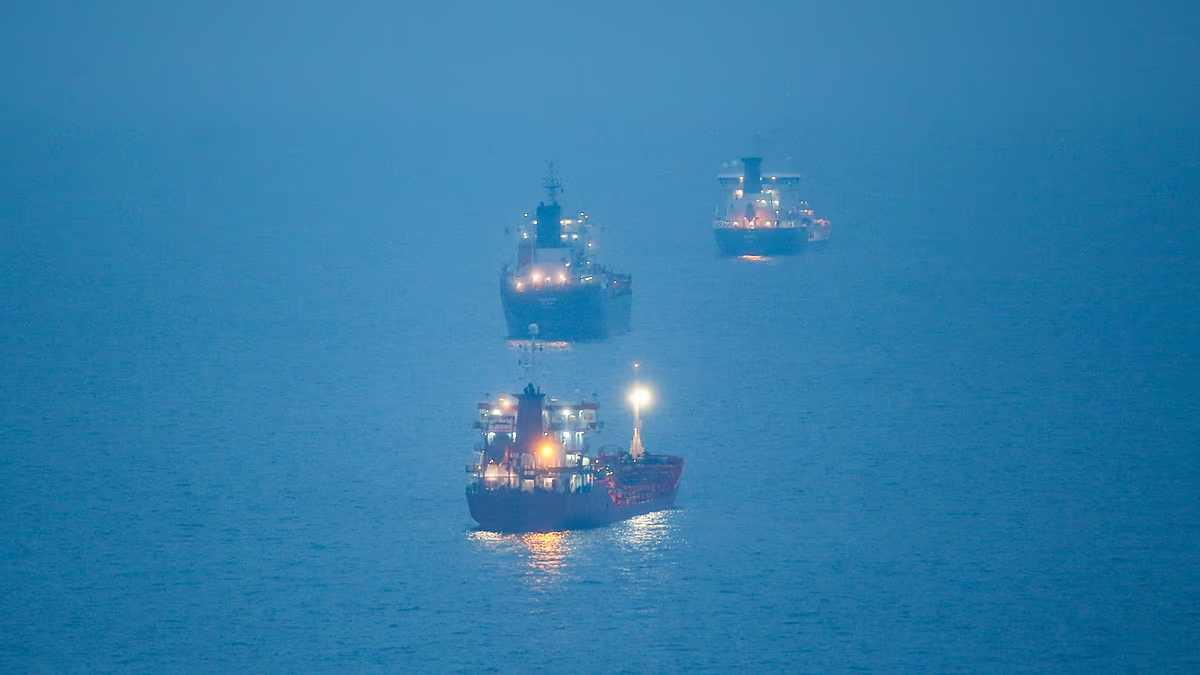
The path to a sustainable deal, however, is fraught with well-known and deeply entrenched obstacles. Mediators are reportedly focusing on three primary issues that previously derailed discussions: Iran’s nuclear program, the status of the blocked Strait of Hormuz, and contentious claims for wartime compensation. The blockade of this critical maritime corridor, initiated by Iran in response to the war’s opening airstrikes, continues to disrupt global energy supplies and trade, making its reopening a paramount economic and security priority for the international community. These unresolved points represent the hard core of the negotiation, where compromise will be most challenging.
The immediate context underscores the urgency of these talks. A temporary ceasefire is set to expire on April 22nd, and its foundation remains shaky. The United States continues its naval blockade of Iranian ports, while Tehran has issued fresh threats, creating a tense standoff. Yet, even within this climate of uncertainty, the mere prospect of serious negotiation has already injected optimism into global markets. Oil prices dipped and U.S. stocks rose on Wednesday, reflecting the world’s acute sensitivity to any sign of peace in a region critical to energy stability and economic security.
The conflict, ignited by joint U.S.-Israeli airstrikes on Iran in late February, rapidly escalated into a regional crisis, featuring daily missile and drone strikes from Tehran. Iran’s subsequent move to effectively shut down the Strait of Hormuz sent shockwaves through the global economy, underscoring how regional instability can have immediate worldwide consequences. This history of rapid escalation serves as a stark reminder of what is at stake should the current diplomatic window close without success, adding pressure on all parties to translate the current optimism into a concrete and lasting agreement.
As the world awaits the potential next round of talks in Pakistan, the situation encapsulates a fragile moment of possibility. The combined statements from the White House, the UN, and involved regional players like Pakistan and Israel create a narrative of converging paths toward peace. Yet, this narrative is tempered by the reality of unresolved core issues, a looming ceasefire expiration, and ongoing military posturing. The coming days will test whether this diplomatic optimism can overcome the substantial hurdles of nuclear concerns, economic warfare, and deeply felt grievances to finally bring a devastating war to an end.