




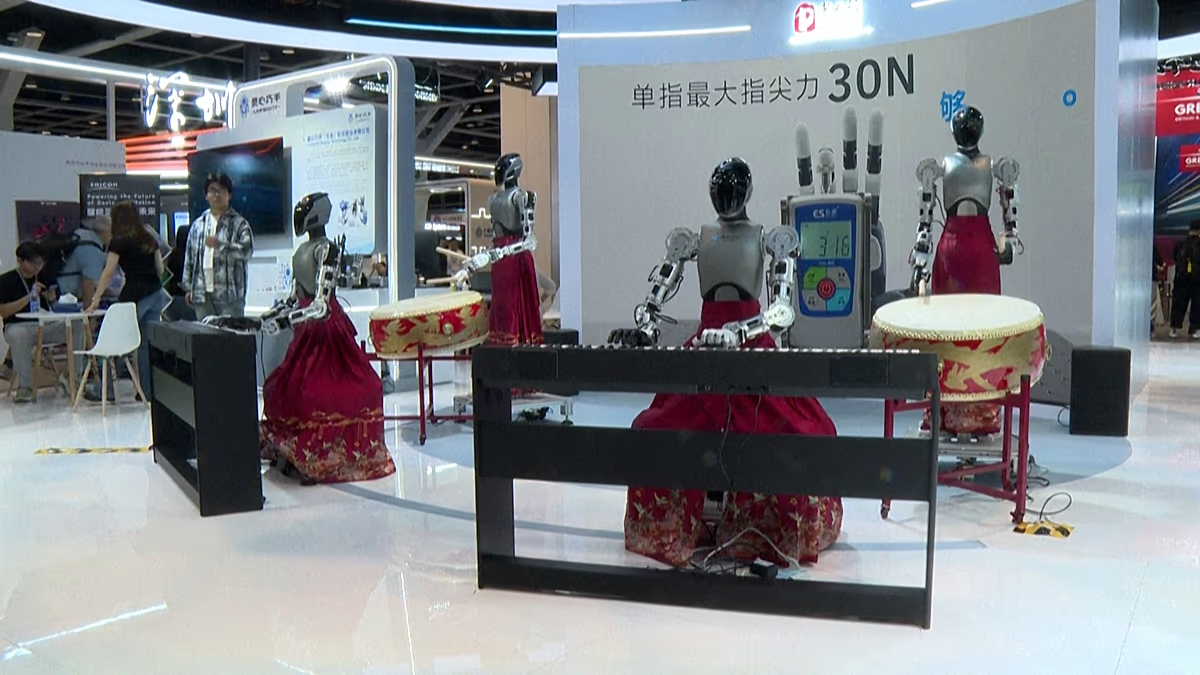
Hong Kong’s role as a regional nexus for technological innovation was on full display from April 13 to 16, 2026, as the city’s Convention and Exhibition Centre hosted the dual events of InnoEX and the Hong Kong Electronics Fair (Spring Edition). The centerpiece of this gathering was a dynamic showcase of artificial intelligence and robotics, where the line between functional tool and engaging performer was vividly blurred. Attendees witnessed humanoid robots engaged in boxing matches and playing musical instruments, transforming the exhibition floor into a glimpse of a collaborative future. These displays were far more than mere spectacle; they served as a tangible introduction to machines designed to work alongside humans in increasingly sophisticated ways.
The fair highlighted a significant industry shift, moving beyond robots confined to factory assembly lines into the expansive realms of service and public assistance. A prime example was Unitree, which unveiled four new models equipped for complex real-world tasks. These robots are engineered with advanced capabilities for navigation and emergency response, with some models even demonstrated to operate fire hoses in hazardous environments where human safety would be at risk. This evolution signals a future where robots act as partners in critical situations, from disaster relief to public safety, taking on dangerous duties to protect human lives.
Beyond these serious applications, the event celebrated the remarkable versatility of modern robotics through captivating performances. Robots executed precise martial arts routines and mimicked the playing of musical instruments, demonstrating an extraordinary level of dexterity and programmed artistry. Developers emphasized that this versatility is intentional; the same underlying technologies that allow for balance and fine motor control in a performance are directly applicable to practical fields. A robot that can mimic a drummer’s rhythm could, with different programming, assist an elderly person with daily tasks or provide customer service in a busy retail environment, showcasing a seamless blend of utility and entertainment.
The convergence of leading companies and bright minds at the fair underscored the substantial investment and collaborative energy fueling this sector. The exhibition floor brought together established giants like AgiBot, EngineAI, UBTECH, and Unitree alongside promising startups and international participants. This diverse gathering reflected Hong Kong’s strategic position as a commercial and research hub, facilitating the exchange of ideas across Asia and beyond. The event was not merely a trade show but a forum for partnership, driving the cross-pollination of concepts that accelerate the entire industry forward.
This rapid advancement is supported by a clear national strategic vision. In recent years, China has prioritized the development and integration of intelligent machines into the fabric of daily life and industrial operations. The innovations displayed in Hong Kong are a direct result of this focus, aligning with broader goals to enhance public services, improve industrial safety, and elevate overall productivity. The research and commercial efforts showcased represent a concerted push to move robotics from laboratory prototypes and niche applications into mainstream adoption, making intelligent assistance a commonplace aspect of society.
Ultimately, the 2026 fair presented a holistic and humanized vision of our technological future. It was a demonstration that the next generation of robots is being designed not to replace humanity, but to augment it—taking on perilous jobs, providing support in homes and businesses, and even enriching cultural life through art and performance. The event in Hong Kong served as a powerful snapshot of a world in transition, where AI and robotics are thoughtfully crafted to extend human capability, ensure safety, and create new forms of interaction, pointing toward a future of synergistic coexistence between humans and machines.