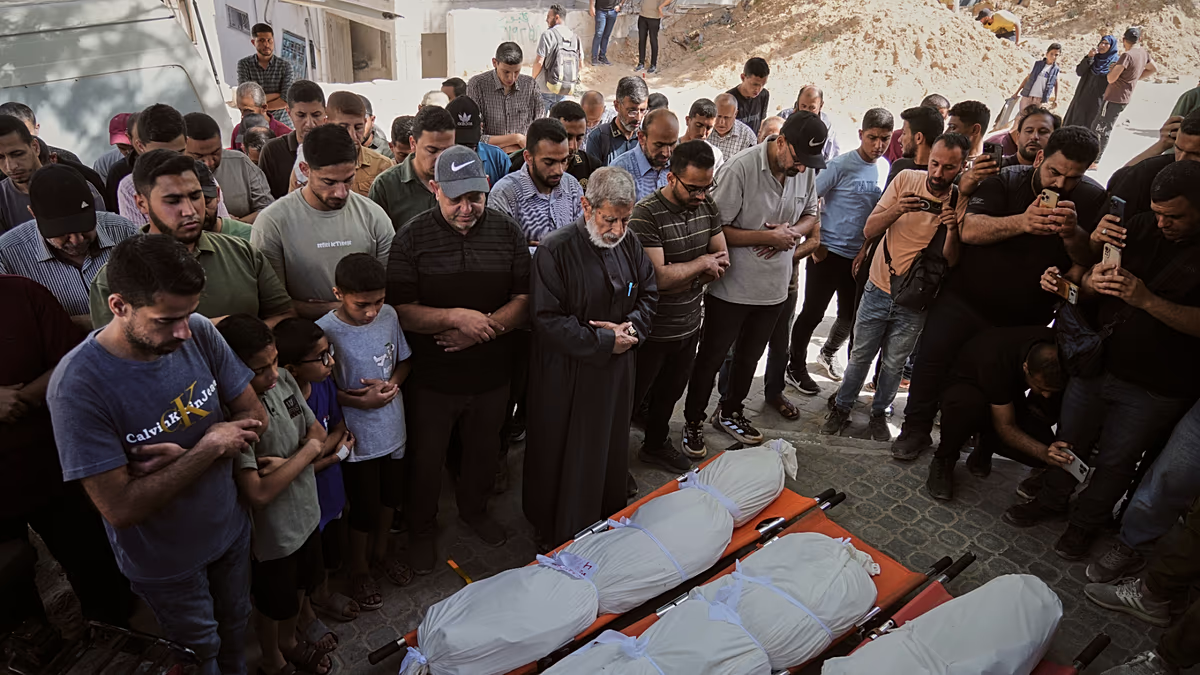




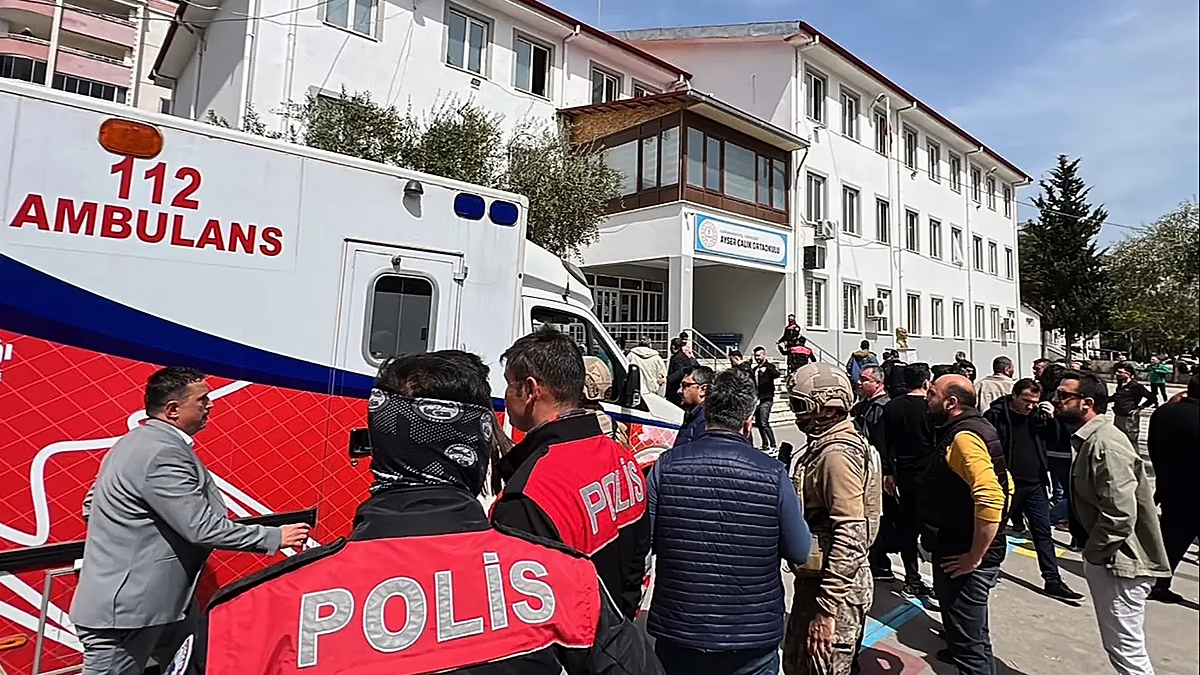
The quiet town of Kahramanmaraş in southern Turkey was shattered on Wednesday by a horrific act of violence that has left the nation in mourning. At the Ayser Çalık Secondary School, a student entered two classrooms with firearms believed to belong to his father and opened fire randomly. The devastating result, as confirmed by Provincial Governor Mükerrem Ünlüer, was the death of nine people, including a teacher and three students, with thirteen others wounded. Panicked parents rushed to the scene as the intense sound of gunshots echoed through the corridors, a noise witnesses described as overwhelming. The immediate aftermath was a scene of chaos and grief, with ambulances converging and police swiftly increasing security measures around the building, a desperate attempt to secure a place that had become a battlefield.
This tragedy was compounded by its timing, occurring just one day after another school shooting in the region. In the town of Siverek, within Şanlıurfa province, an ex-student had opened fire at his former high school. As officials detailed, that attack wounded sixteen people—ten students, four teachers, a canteen employee, and a police officer—before the perpetrator, cornered by police, took his own life. Governor Hasan Şıldak confirmed that a comprehensive investigation would be launched, a promise echoed by Justice Minister Akin Gurlek regarding the Kahramanmaraş shooting. These two incidents, back-to-back, represent a shocking departure from the norm in Turkey, where such school-based attacks are historically rare.
Behind the official statements and statistics lies a profound human cost. Each number represents a life interrupted, a family shattered, and a community forever scarred. The victims were not just casualties; they were educators dedicated to shaping young minds, children with futures suddenly erased, and staff members performing their daily duties. The survivors, both those physically wounded and those traumatized by witnessing the violence, now carry an invisible burden that will shape their lives long after the news cycles end. The psychological impact on the students who heard the gunshots, on the teachers who tried to protect them, and on the parents who felt that primal fear, is deep and enduring.
The investigations now underway must grapple with difficult questions about motive, access to weapons, and the societal factors that could lead a young person to commit such an act. The suggestion that the firearms belonged to a parent in the Kahramanmaraş case points to the critical issue of gun security in homes. Yet, beyond the immediate triggers, these events force a national conversation about the well-being of youth, the pressures they face, and the systems meant to support them. It is a moment that demands looking beyond punitive measures to understand the roots of such despair and alienation, however rare these outbursts may be.
In the wake of the violence, the communal response embodies both the fragility and the resilience of human spirit. The swift arrival of parents, the medical teams working to save lives, and the law enforcement securing the scenes speak to a society mobilizing to protect its members. Yet, the true healing will be a slower, quieter process, taking place in living rooms and counseling sessions, in school hallways once emptied by fear but which must again become places of learning and safety. The challenge for Turkey now is to channel this collective grief and shock into creating environments where such tragedies are not only investigated but prevented.
Ultimately, these two days of violence in southern Turkey are a stark reminder that safety is a fragile construct, even in places where such events are uncommon. They have abruptly ended lives, altered countless others, and left a nation questioning how to move forward. From the specific, sorrowful details—the backpack carrying death, the classrooms turned into crime scenes—to the broader, aching need for understanding and prevention, the path ahead is arduous. The hope, however faint, lies in the capacity for communities to bind their wounds together, to seek answers with determination, and to reaffirm the fundamental sanctity of schools as spaces for growth, not for grief.