


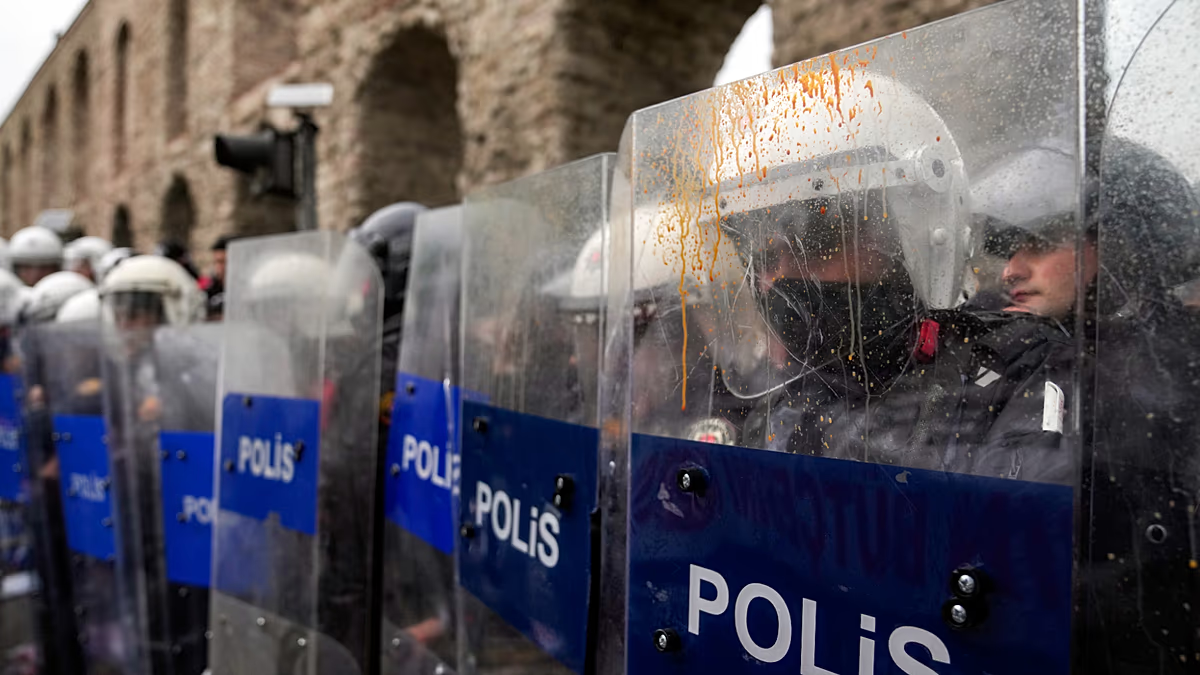
For over a week, a group of Turkish miners have been engaged in a hunger strike, a desperate measure underscoring the severe conditions and injustices they face. Their protest, which escalated as they attempted to march to the Ministry of Energy in Ankara, has now entered a critical and dangerous phase. On the eighth day of their strike, they find themselves surrounded by police forces, a physical manifestation of the standoff between their pleas for basic rights and the authorities. This dramatic scene in the capital is the culmination of a journey that began in earnest on April 13th, when workers set out from Eskişehir, carrying with them the weight of unpaid wages and broken promises. Their peaceful march to Ankara, reached on April 20th, has now been met not with dialogue, but with barricades and a show of state force, highlighting the deep tensions surrounding labor disputes in the country.
The miners’ grievances are not abstract political demands, but the fundamental issues of survival and dignity for working people. In a powerful statement to the AFP, one miner laid bare their plight: “We have our receivables, our compensations, our union rights, we are due 5-6 wages, our boss pays us only a very small portion of what is due to us.” This testimony reveals a crushing reality of withheld earnings, denied compensation, and the systematic erosion of their right to organize. They are not protesting for more, but simply for what they have already earned through their grueling and dangerous labor underground. The hunger strike itself is a profound testament to their desperation, a choice to risk their own health because the slow deprivation of withheld wages has left them with no other leverage. Their bodies have become their final bargaining chip.
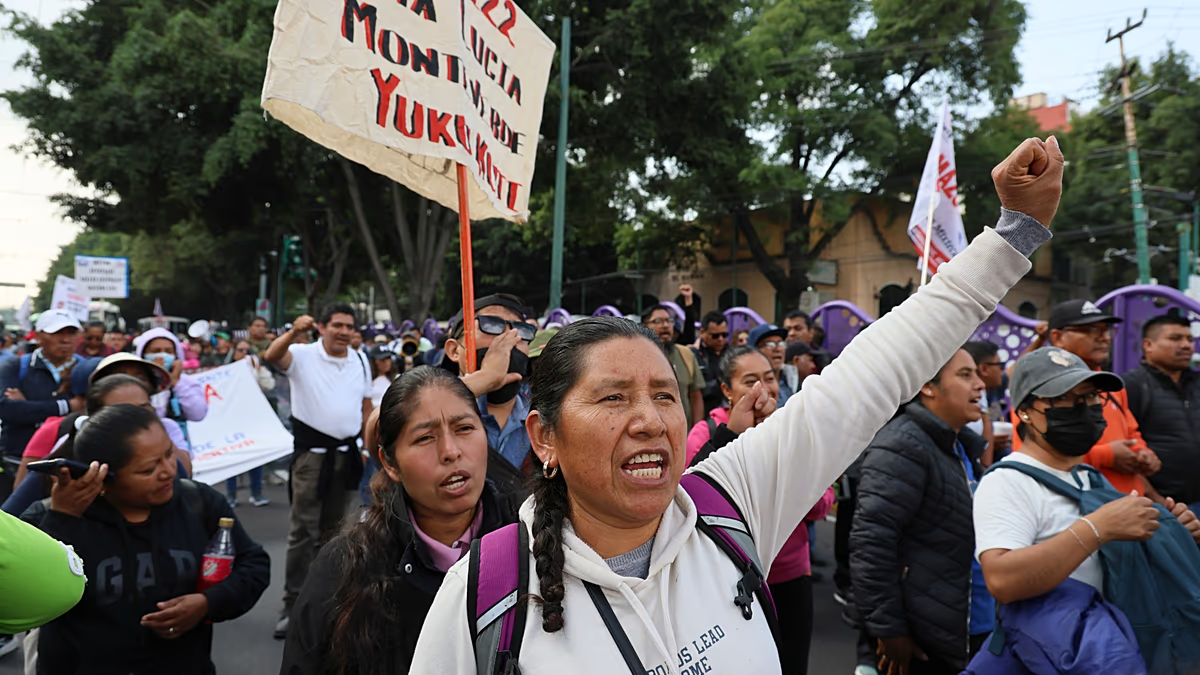
This standoff reached a boiling point when the miners attempted to push forward from their encampment toward the ministry. In response, police forces used pepper gas to disperse not only the miners but also solidarity protesters who had joined their cause. The use of chemical irritants against hungry, fatigued men and their supporters paints a stark picture of the confrontation. The scene of gas clouding the air around protesters who are already physically weakened from days without food is a jarring symbol of the conflict between citizen and state. It transforms a plea for economic justice into a volatile public order situation, drawing international attention to the methods being used to contain their protest and raising urgent questions about the right to peaceful assembly.
The roots of this crisis trace back to the miners’ arduous trek, a modern-day protest march laden with historical symbolism. Setting off from Eskişehir, a province with its own industrial heritage, they walked for days to bring their struggle directly to the seat of power in Ankara. However, upon their arrival, instead of finding an open door, they encountered a reinforced deadlock. Authorities halted a further planned march, leading to the current siege-like conditions where the miners are effectively corralled and isolated. This prevention of movement, of their right to be seen and heard in the heart of the capital, has intensified their resolve and their physical suffering, as the hunger strike continues with no clear avenue for resolution.
At its core, this is a human story of resilience and profound risk. Each miner participating in the hunger strike is a father, a son, a husband, making an unimaginable sacrifice. Their slow physical decline is a deliberate, agonizing strategy to scream what polite requests have failed to communicate: that they are running out of time, out of options, and out of hope. The police barricades surrounding them are not just lines of officers; they are a metaphor for the walls they have hit at every turn—from employers who withhold pay to a system that seems to respond only to the language of crisis. Their gaunt faces and determined stance stand as a silent, powerful condemnation of the exploitation they endure.
The situation remains perilously unresolved. The miners, surrounded and under the strain of both hunger and the threat of force, represent a ticking human timer. The use of pepper gas signals an escalation that could have dire consequences for their fragile health. The international community, human rights organizations, and labor advocates are watching closely, as the outcome will set a significant precedent for labor rights and protest in Turkey. Will there be a negotiated settlement that addresses the miners’ legitimate claims for back wages and union protections, or will the state’s response harden further? The health and lives of these men hang in the balance, making their hunger strike a profound moral as well as economic confrontation, one that demands a humane and just solution before it is too late.