


Paragraph 1: A Historic Convergence in Astana
Last week, the cultural landscape of Astana, Kazakhstan, was profoundly enriched as it transformed from a city art merely passes through into a destination where it chooses to linger. This shift was heralded by the historic first visit of the Royal Danish Theatre, an institution whose foundations in 1748 carry nearly three centuries of European stagecraft. More than a simple tour stop, this event represented a significant cultural bridge, bringing Denmark’s most treasured performing arts heritage directly to a Eurasian capital eager to engage with global traditions. The arrival of such a venerable company underscored Astana’s burgeoning identity as a modern nexus where deep artistic lineages can converge and be celebrated far from their traditional homes.
Paragraph 2: The Pillar of Danish Tradition and a Spark of Contemporary Fire
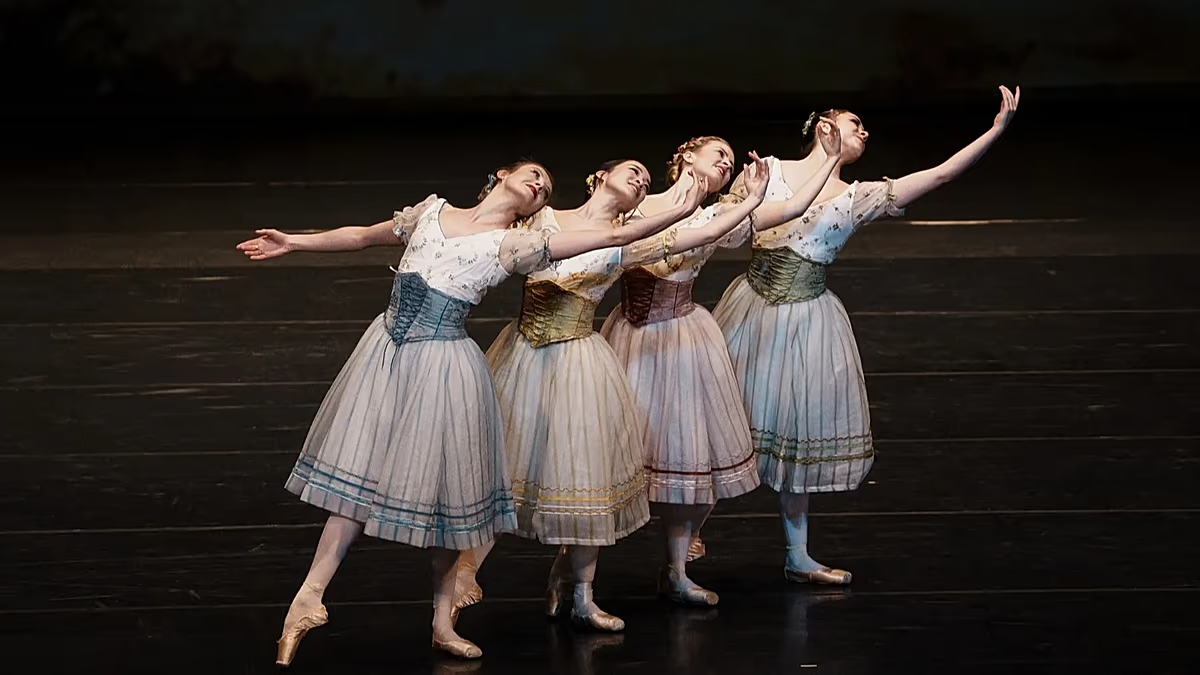
The heart of the visiting company’s offering was the exquisite and living tradition of August Bournonville, the 19th-century choreographer who forever defined Danish ballet. His works, most famously the ethereal La Sylphide, form a cornerstone of classical ballet worldwide, cherished by companies from Copenhagen to Astana’s own renowned Opera. The gala performance in Astana lovingly presented this heritage through pieces like The Jockey Dance and The Kermesse in Bruges. As ballerina Beatriz Domingues noted, sharing this “national treasure” internationally is a profound joy. This classical purity was brilliantly contrasted by the raw, personal energy of guest artist Selene Muñoz. Her solo, a fusion of fiery flamenco roots and contemporary movement, provided a powerful counterpoint, illustrating the dynamic spectrum of expression housed within modern European dance.
Paragraph 3: A Personal Homecoming and Shared Artistic Joy
The tour carried a deeply personal resonance through dancer Meirambek Nazargozhayev, the first Kazakh-born artist to join the Royal Danish Theatre. His return to perform on a home stage was a poignant full-circle moment, particularly in his solo, Loneliness, set to the haunting strains of Beethoven’s Moonlight Sonata. This narrative of homecoming amplified the evening’s theme of connection. The artists consistently expressed their delight in engaging with Kazakh audiences, with Selene Muñoz sharing her happiness in presenting her deeply personal work and Beatriz Domingues recalling the warm enthusiasm encountered during a previous visit to Almaty. The event was, at its core, a mutual exchange of artistic passion and respect.
Paragraph 4: Planting Seeds for the Future: Education and Exchange
Beyond the spotlight of the gala, the visit’s true legacy may well have been forged in the studios of the Kazakh National Academy of Choreography. Here, the tour expanded into an educational mission, with masters of the Bournonville tradition like Dinna Bjørn and Eric Viudes leading intensive masterclasses for Kazakh students. In a national context where the rigorous Russian ballet school predominates, this exposure to a different European classical style is invaluable. It offers young dancers a broader artistic vocabulary and a tangible link to another pillar of ballet history, directly from its foremost practitioners.
Paragraph 5: Expanding the Artistic Horizon
These masterclasses were less about replacement and more about expansion. Dinna Bjørn emphasized the unique adaptability of the Bournonville style, explaining how it can harmoniously coexist with other techniques. She encouraged students to see it not as a rigid system, but as a tradition that could enrich their existing training in the Russian school and inform their future forays into contemporary work. This philosophy of artistic synthesis—of building bridges between traditions rather than walls—provided the students with a more flexible and global perspective on their own craft, empowering them to become versatile artists of the world.
Paragraph 6: Astana as a Cultural Crossroads
Ultimately, the Royal Danish Theatre’s debut in Kazakhstan was more than a series of performances; it was a resonant statement about cultural geography and connection. It highlighted Astana’s accelerating evolution into a genuine crossroads where East and West meet not just in diplomacy or business, but in the shared human experience of art. For an ancient European institution to find such a receptive new audience in Central Asia speaks to the universal language of dance. This visit solidified a growing cultural dialogue, proving that artistic heritage, when shared with openness and excellence, can thrive in new soil, enriching both the guest and the host in a celebration of our common creative spirit.