


A Sunny Monday in Brussels Brings Heat, Intrigue, and Political Crossroads
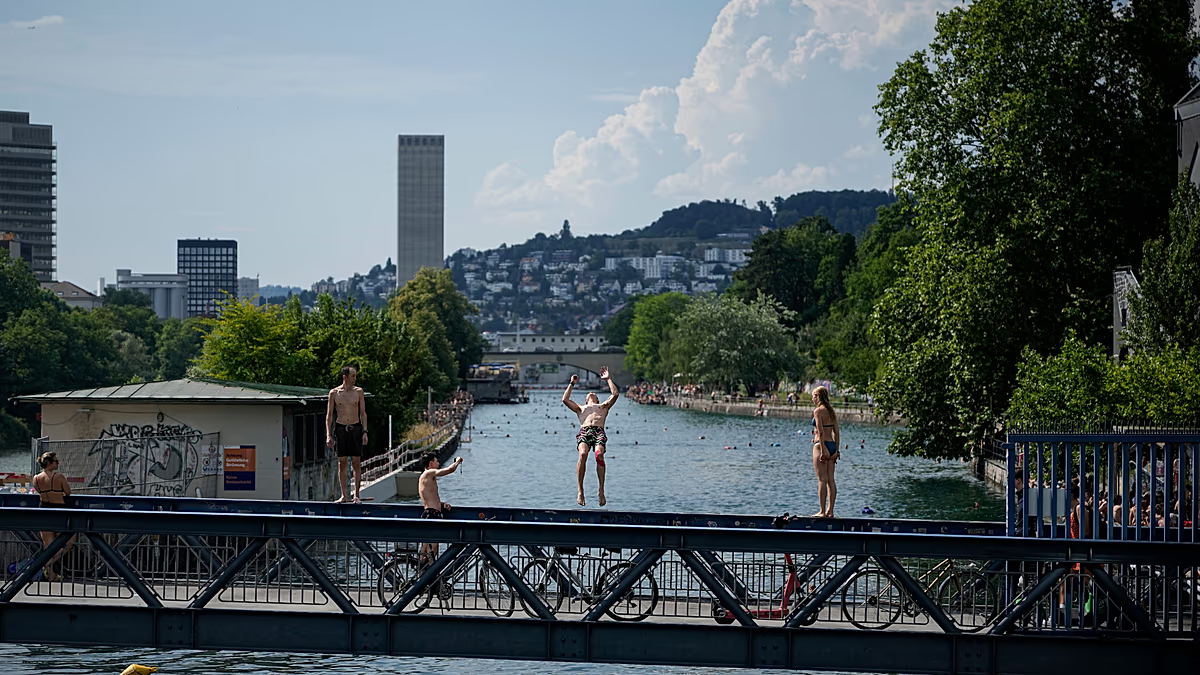
Good morning from Brussels. Angela Skujins here, welcoming you to a new week where the forecast promises soaring temperatures and intense UV rays. But as the old adage goes, sunlight is the best disinfectant—a fitting metaphor for a day where diplomatic movements and political pressures are coming to the fore under a glaring spotlight.
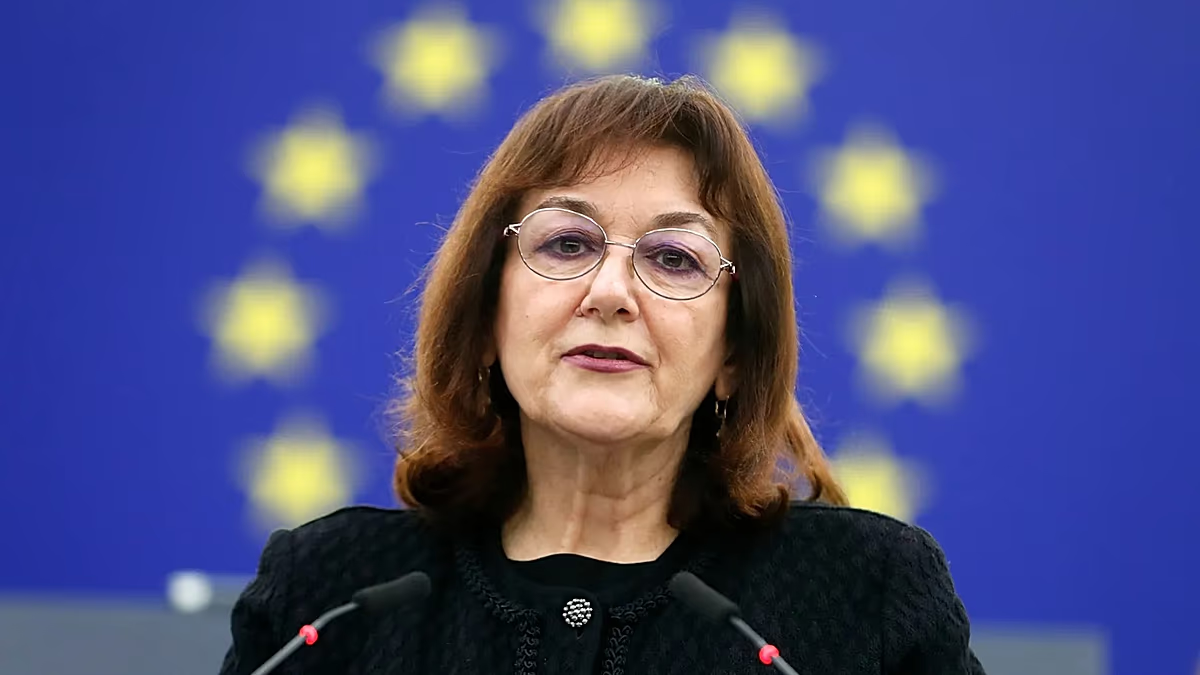
Our agenda today is dominated by high-stakes diplomacy in the Middle East and political uncertainty in the UK. As a fragile negotiating window opens between Iran and the United States, aiming to permanently end the war and with progress reported on ending Israeli offensives in Lebanon, a senior EU figure is making a mysterious visit to Jerusalem. European Commissioner for the Mediterranean, Dubravka Šuica, is scheduled to deliver a press statement alongside Israel’s Foreign Minister, Gideon Sa’ar. Intriguingly, the meeting is absent from Šuica’s public calendar, her team has not commented, and diplomatic sources in Brussels claim to be in the dark. This secrecy fuels speculation about the agenda, particularly whether it will address the recent diplomatic spat sparked by EU foreign policy chief Kaja Kallas’s alleged comparison of Israel’s treatment of Palestinians to apartheid-era South Africa—a remark that led Sa’ar to sever contact until an explanation was provided.
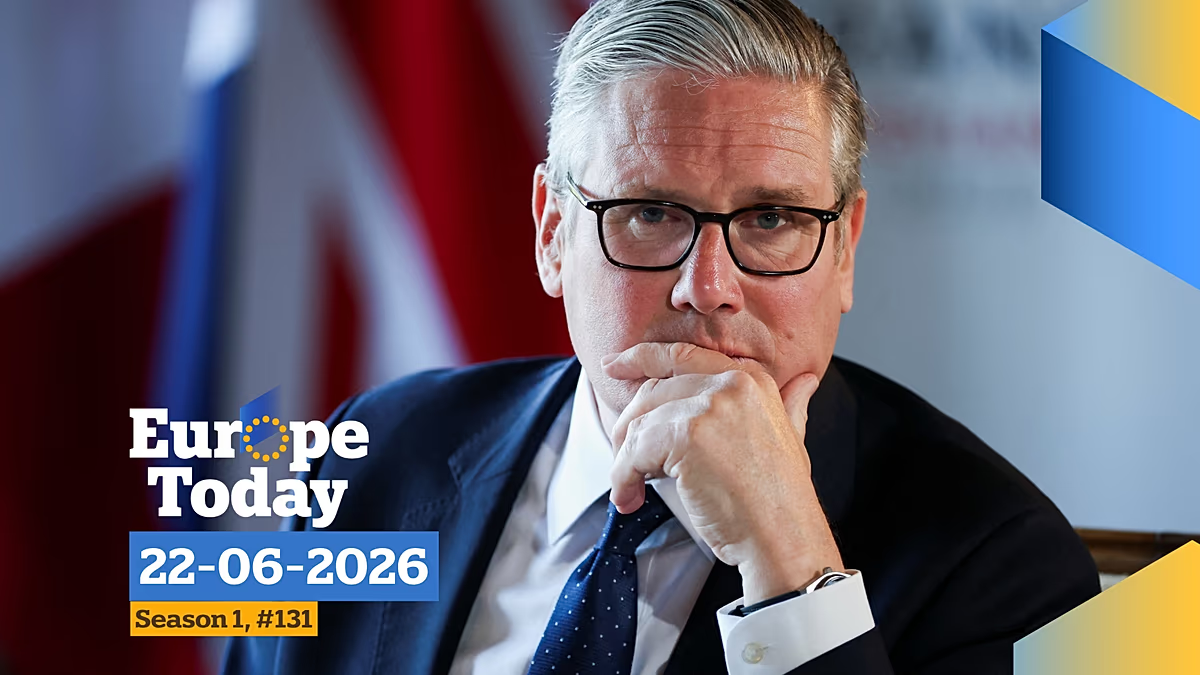
Across the Channel, UK Prime Minister Keir Starmer faces a defining Monday. After a rocky two years marked by low approval ratings and scandals, pressure is mounting from within his own Labour Party for him to step down, with rival Andy Burnham poised as a potential challenger. Sources suggest Starmer may announce his resignation today, a move that would send shockwaves through British politics. The timing is acutely sensitive, falling on the eve of the 10th anniversary of the Brexit vote. Starmer’s potential departure threatens to destabilize the Labour Party’s push to rebuild ties with the EU and throws the upcoming EU-UK summit on July 22nd into question, highlighting how domestic turmoil can have immediate international repercussions.
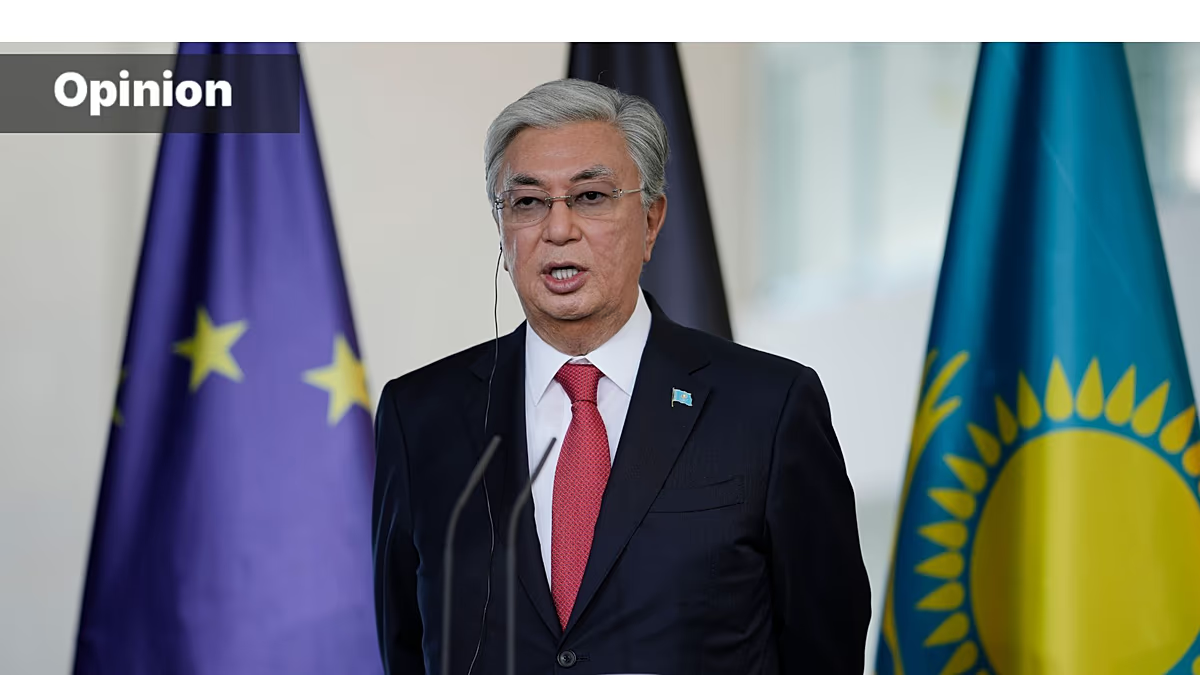
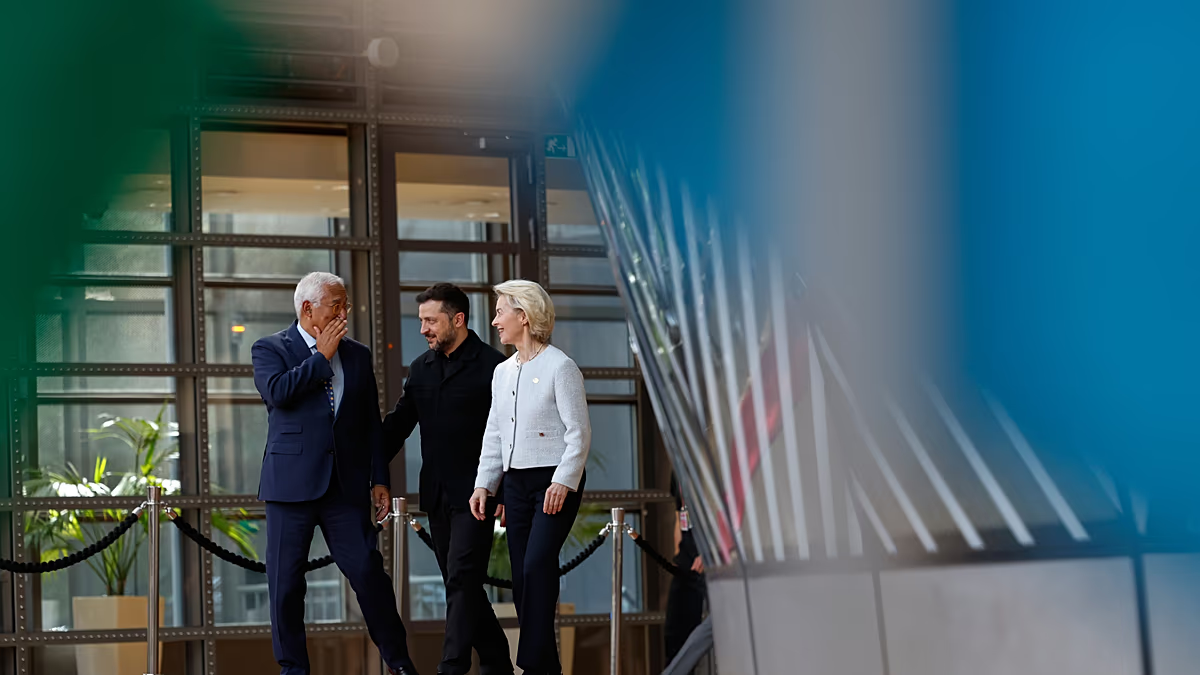
Meanwhile, in Brussels, a more collaborative summit is unfolding. The second EU-Moldova summit begins today, hosted by the EU’s top leaders with Moldovan President Maia Sandu. This meeting builds on significant momentum, coming just a week after formal EU accession negotiations—a monumental step—opened for both Moldova and Ukraine. The process starts with the arduous “fundamentals cluster,” focusing on rule of law and fundamental rights. For Moldova, a small nation seeking a European future as a buffer against Russian aggression, this path has been fraught, slowed by political hurdles like Hungary’s veto. As Moldovan Foreign Minister Mihai Popșoi emphasized, the drive to align with EU standards is foremost a commitment to their own citizens, a reform journey that is now formally intertwined with their EU aspirations.
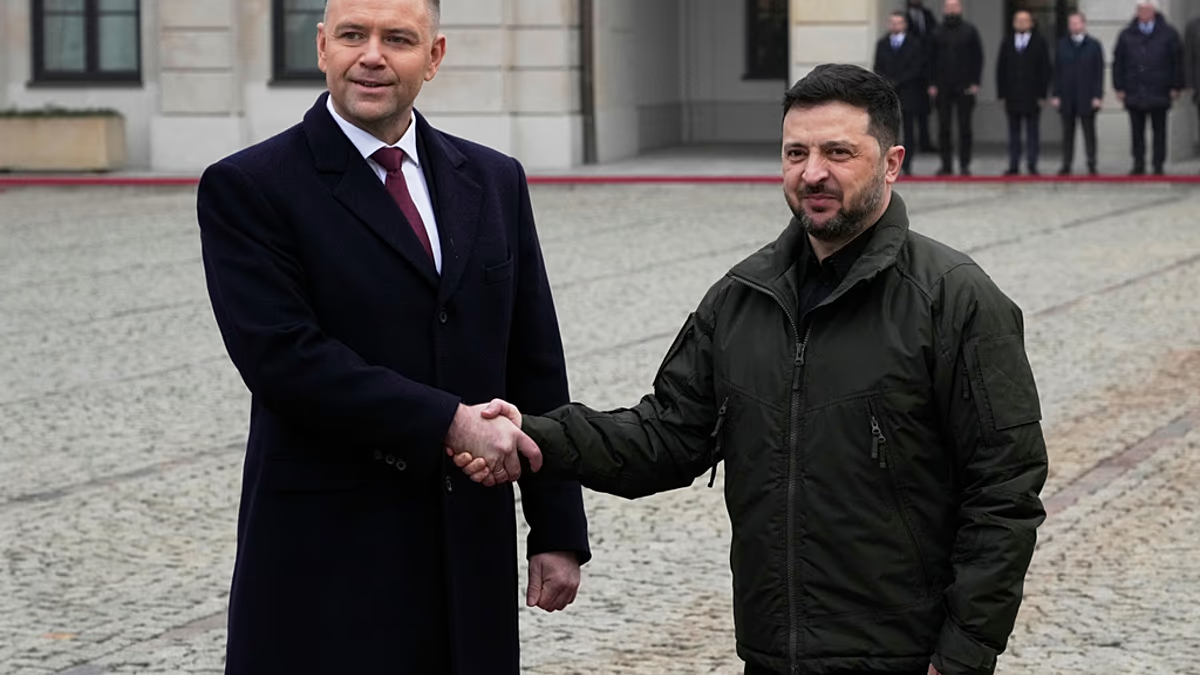
Tensions, however, are simmering elsewhere in Europe. A diplomatic rift between Ukraine and Poland has intensified into a symbolic war of medals. The conflict stems from Ukraine naming a military unit after the World War Two Ukrainian Insurgent Army (UPA), a group linked to the wartime killing of Poles. In response, Poland’s far-right president stripped Ukrainian President Volodymyr Zelenskyy of the prestigious Order of the White Eagle. Zelenskyy has since returned the honor, stating it was meant for the Ukrainian people, not just him. While Polish officials insist their support for Ukraine remains unwavering, the episode underscores how historical wounds can quickly inflame modern alliances, testing the resilience of solidarity in the face of a common threat.
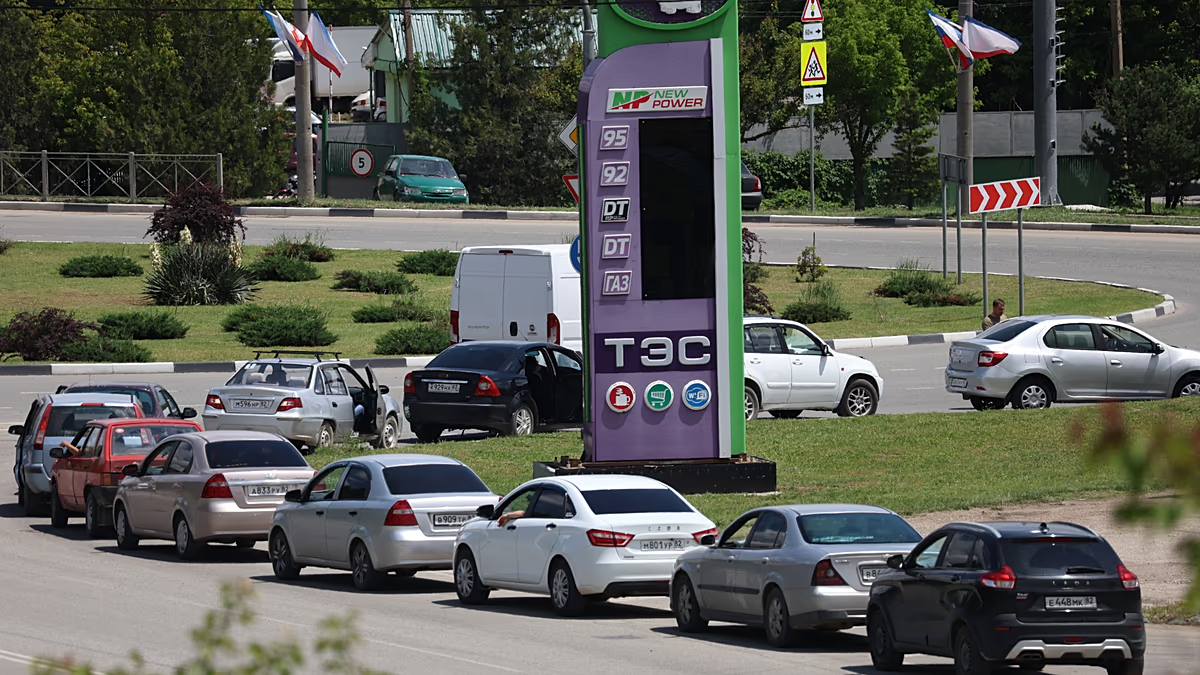
Beyond these headlines, other critical stories are unfolding. Russian-occupied Crimea is grappling with a severe fuel crisis, with petrol sales suspended—a direct consequence of Ukraine’s successful targeting of Russian energy infrastructure. In France, a summer solstice heatwave has prompted authorities to ban alcohol consumption at Paris’s massive Music Day festival as temperatures soar, a stark reminder of how climate change is reshaping daily life. Today also sees ECB President Christine Lagarde in a key monetary dialogue, EU agricultural ministers debating future farming policy, and a Commissioner in Brazil seeking to strengthen EU ties with South America. It’s a dense and dynamic news day, illustrating the vast, interconnected web of politics, diplomacy, and global challenges that defines the European project. This report was compiled with contributions from Sasha Vakulina and Mared Gwyn.