


Good morning. This is Angela Skujins, bringing you insights from Brussels, where the geopolitical landscape of Europe and its neighbors is being reshaped at a remarkable pace. In the last day alone, two significant elections have spotlighted the intense tug-of-war for influence playing out on the continent’s periphery. In Kosovo and Armenia, voters went to the polls with their nations’ futures hanging in the balance, each grappling with the pivotal choice between deeper integration with the European Union or succumbing to the lingering pressure from Moscow. These votes are more than domestic affairs; they are frontline battles in the broader struggle for the strategic orientation of regions long caught between worlds.
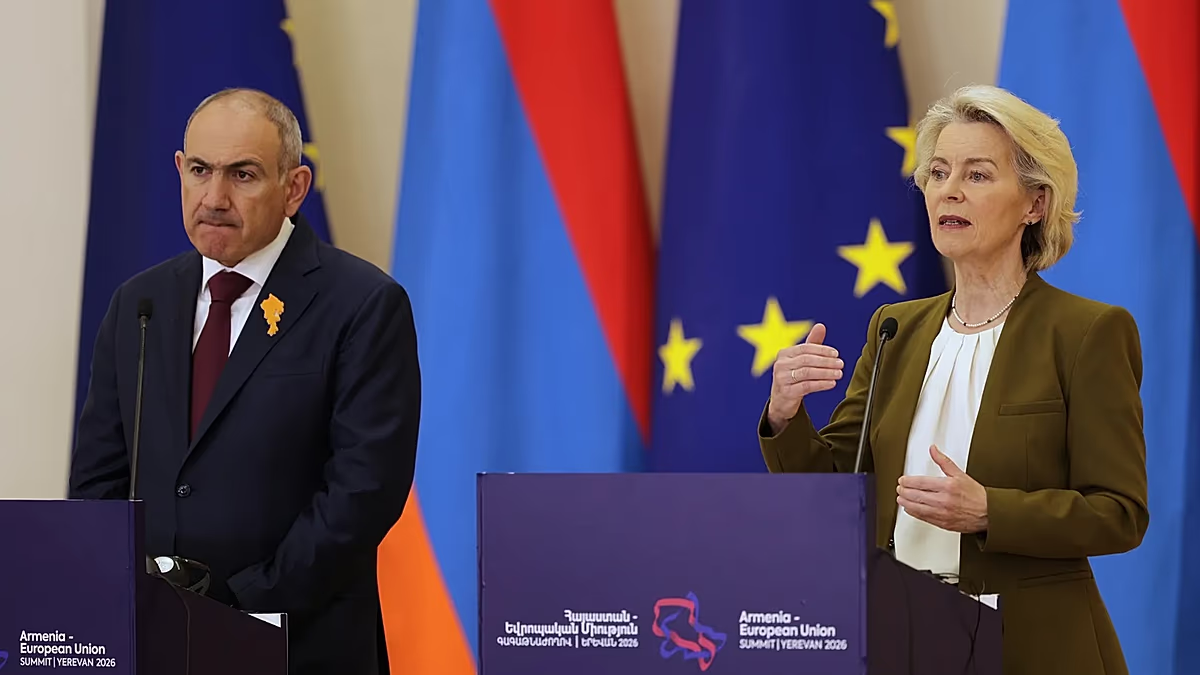
In Kosovo, preliminary results show Prime Minister Albin Kurti’s pro-European party leading, yet without an outright majority. This political stalemate mirrors the country’s broader challenge: a deep-seated impasse that hinders its path toward the EU and NATO, a path inextricably linked to normalizing relations with its neighbor, Serbia. Just last week, European Council President António Costa toured the Western Balkans, urgently advocating for reconciliation. The message is clear: for these nations to progress, historic tensions must give way to pragmatic diplomacy. Meanwhile, far to the east, Armenia delivered a more decisive verdict. Prime Minister Nikol Pashinyan, who has steered his country toward the West, secured a strong mandate despite significant pre-election coercion from Russia, which included economic threats and ominous comparisons to Ukraine’s fate. These parallel elections underscore a common theme: a palpable, if risky, desire among these nations to redefine their alliances away from Russian orbit.
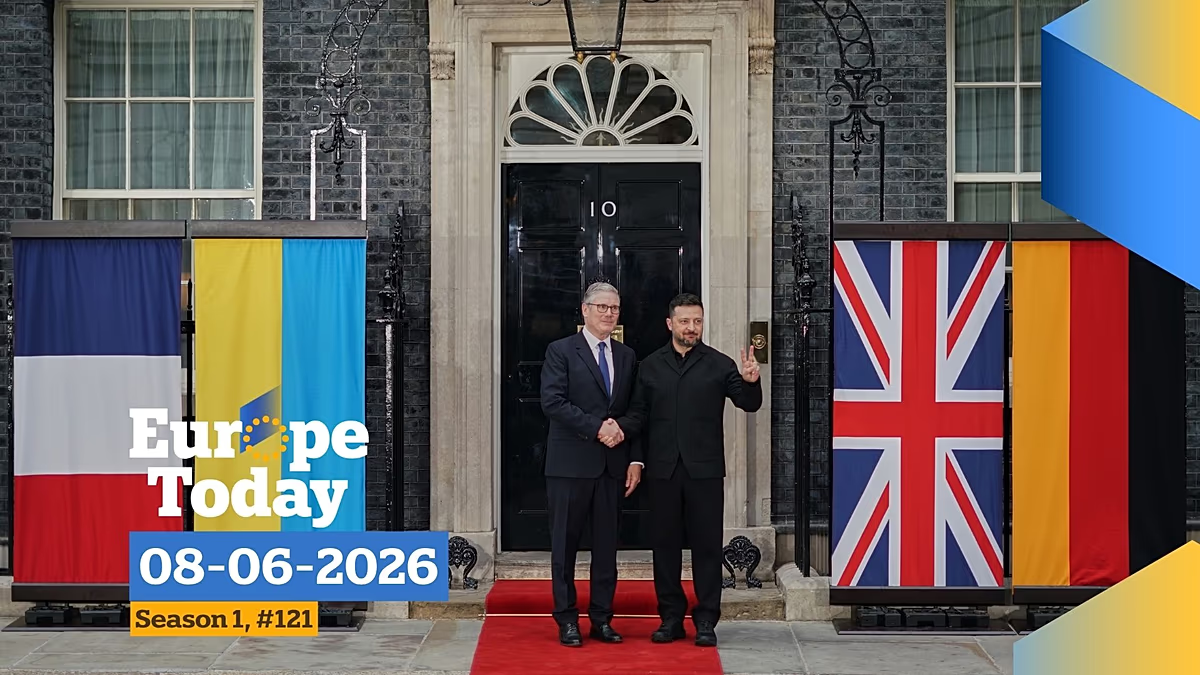
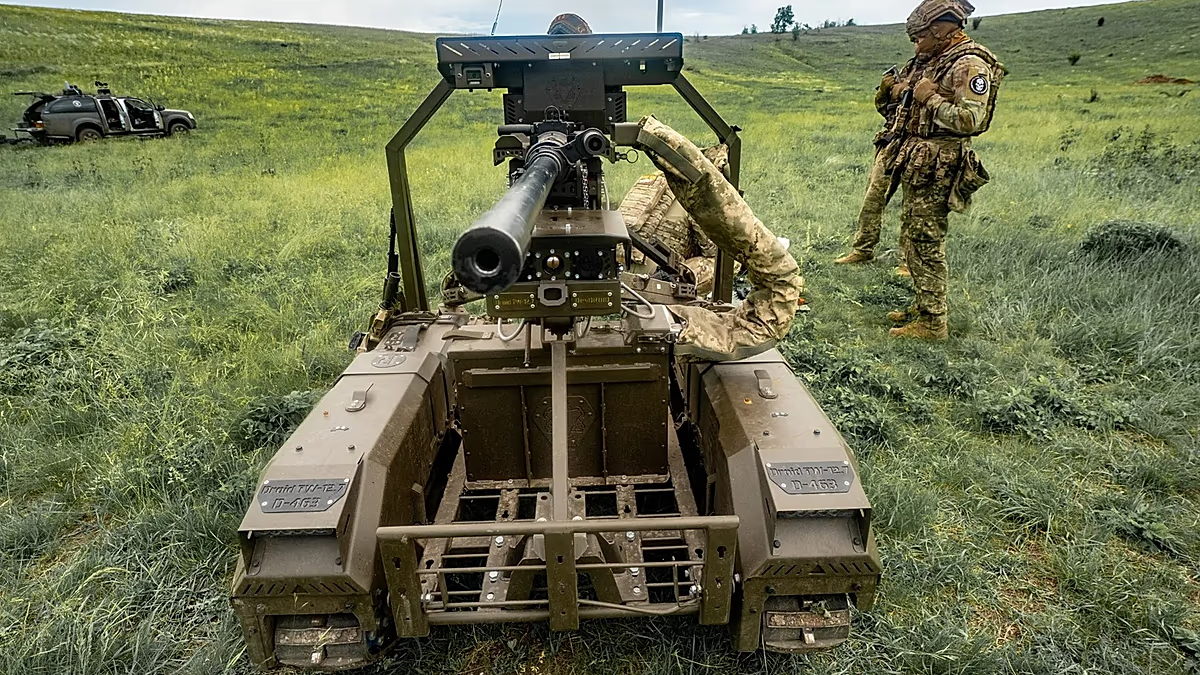
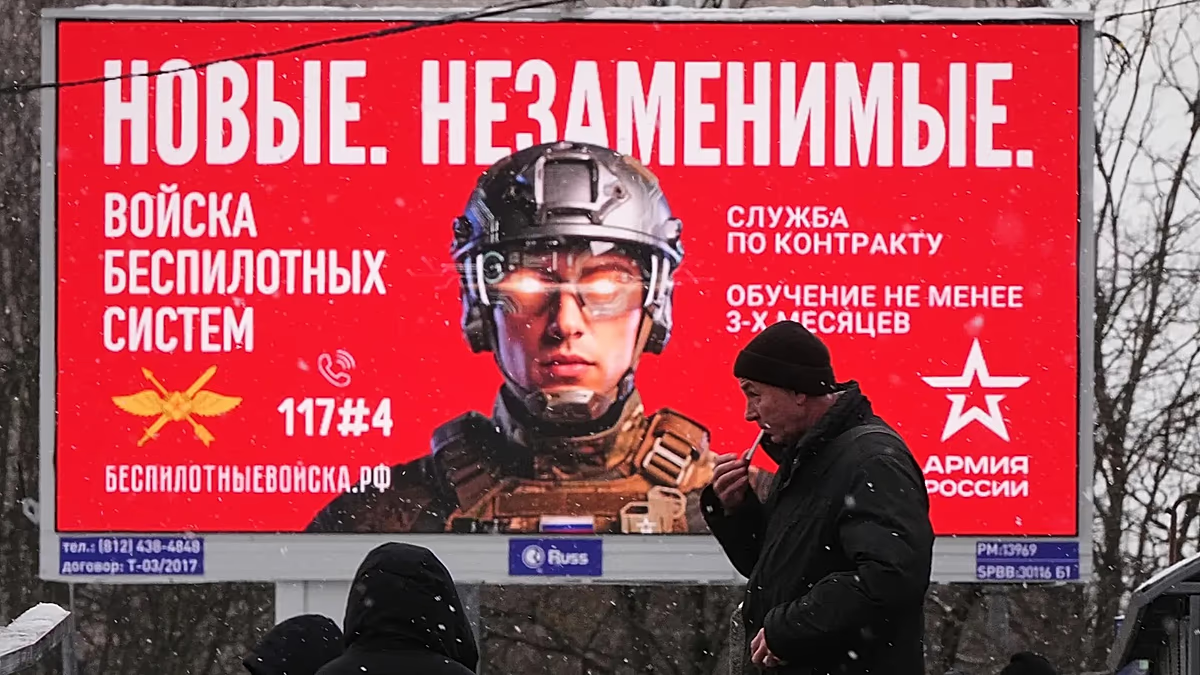
This westward momentum finds its most dramatic expression in Ukraine itself, where the EU accession process, long frozen by Hungarian vetoes, has suddenly thawed. With Hungary’s new political leadership withdrawing its objection, the path has cleared for Kyiv to open its first formal negotiation chapters—a profound symbolic and strategic step. European Commissioner Marta Kos is in Ukraine to announce substantial financial support, framing it as a reward for reform but also as a strategic necessity. As she starkly warned, “The closer Ukraine moves towards the EU, the more desperate Russia becomes.” This desperation was on grim display over the weekend, with massive Russian drone and missile attacks targeting Ukrainian energy infrastructure, even near the Chernobyl site. In response, EU defense ministers are meeting in Cyprus to urgently discuss unlocking billions in military aid for Ukraine, aiming to translate political support into tangible battlefield capability.
Beyond immediate battlefield needs, the EU is grappling with the multifaceted nature of modern conflict, including economic warfare. A key agenda item for European officials is confronting Russia’s “shadow fleet” of oil tankers, which circumvent sanctions to funnel vital energy revenues to the Kremlin. Simultaneously, a profound strategic discussion is underway about the very nature of European security. Ambassadors recently conducted exercises on invoking the EU’s mutual defense clause, Article 42.7—a once-unthinkable step that is now being soberly planned for. These moves reflect a bloc slowly, and at times awkwardly, learning to wield collective power in an age of overt confrontation.
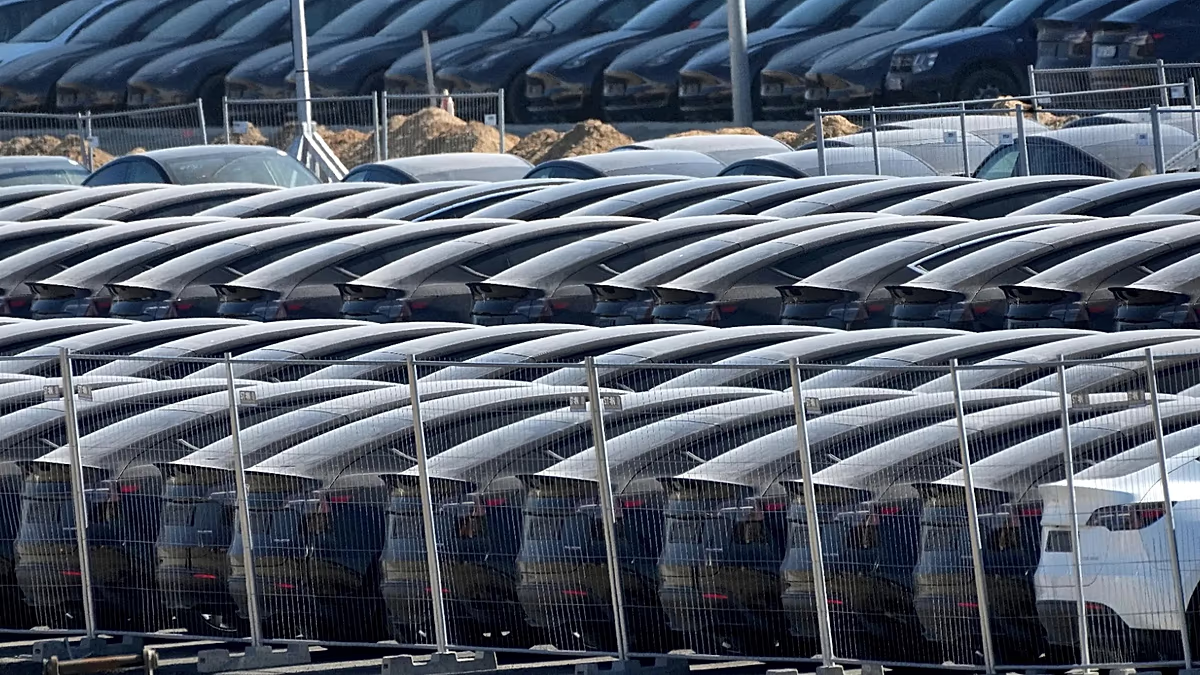
This awakening extends beyond the Russian threat to the complex challenge posed by economic interdependence with China. Over three years ago, European Commission President Ursula von der Leyen presciently warned of the dangers of over-reliance and championed a strategy of “de-risking.” For years, her calls for stronger export controls and a tougher trade stance were muted by member states fearing economic retaliation and guarding their national security prerogatives. Now, faced with staggering trade deficits and palpable fears of de-industrialization, leaders from Paris to Brussels are echoing her concerns. The Commission is scrambling to devise new protective tools, offering von der Leyen a chance for validation. Yet the fundamental obstacle remains: achieving a unified European stance against a powerful economic partner when national interests still diverge.
As these high-stakes dramas unfold—from election booths in the Balkans and the Caucasus to negotiation rooms in Brussels and battlefields in Ukraine—the EU finds itself at a defining crossroads. The events of these past hours illustrate a continent and its neighboring regions in profound flux, where every election, every veto dropped, and every policy shift carries the weight of history. The bloc’s ability to act with unity, speed, and strategic clarity is being tested as never before. The outcomes will determine not only the security architecture of Europe but also the fate of nations striving to choose their own destiny, free from the shadow of coercion.