

Here is a summarized and humanized version of the content, structured into six paragraphs as requested.
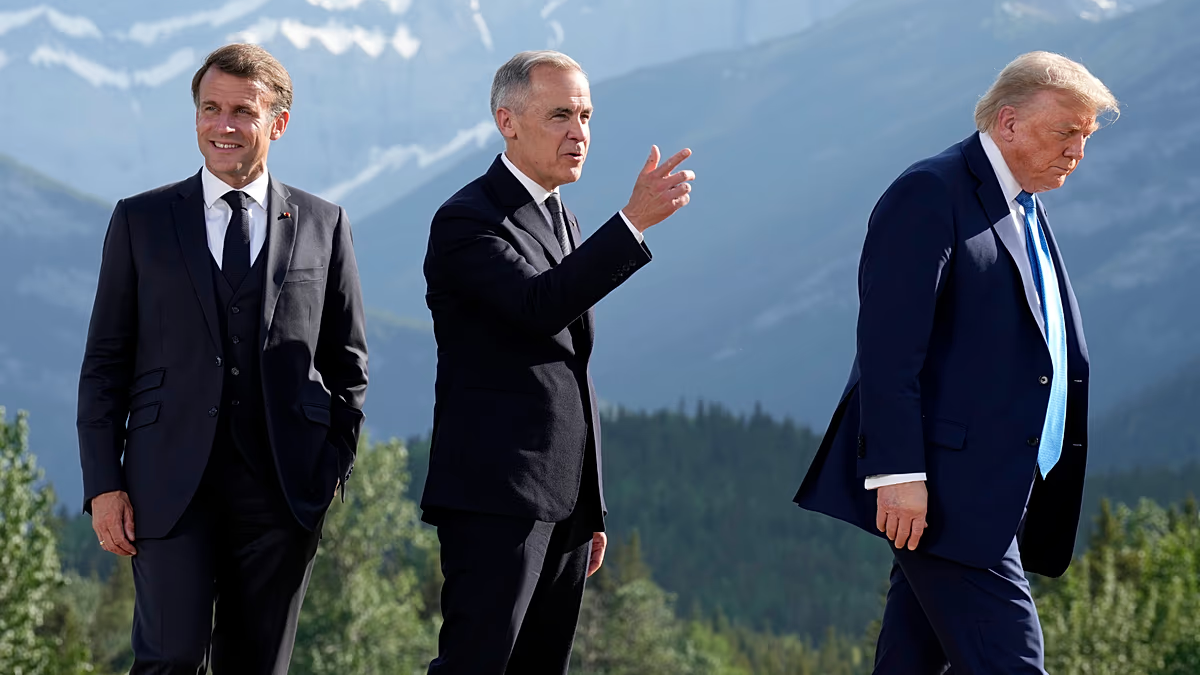
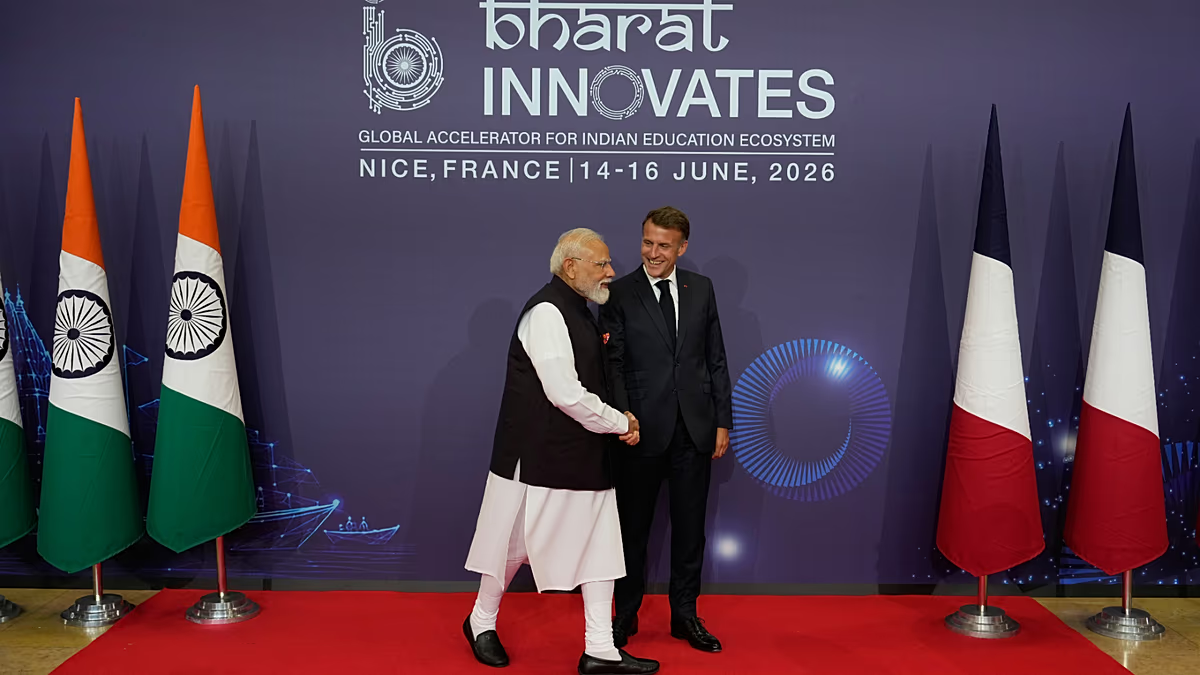
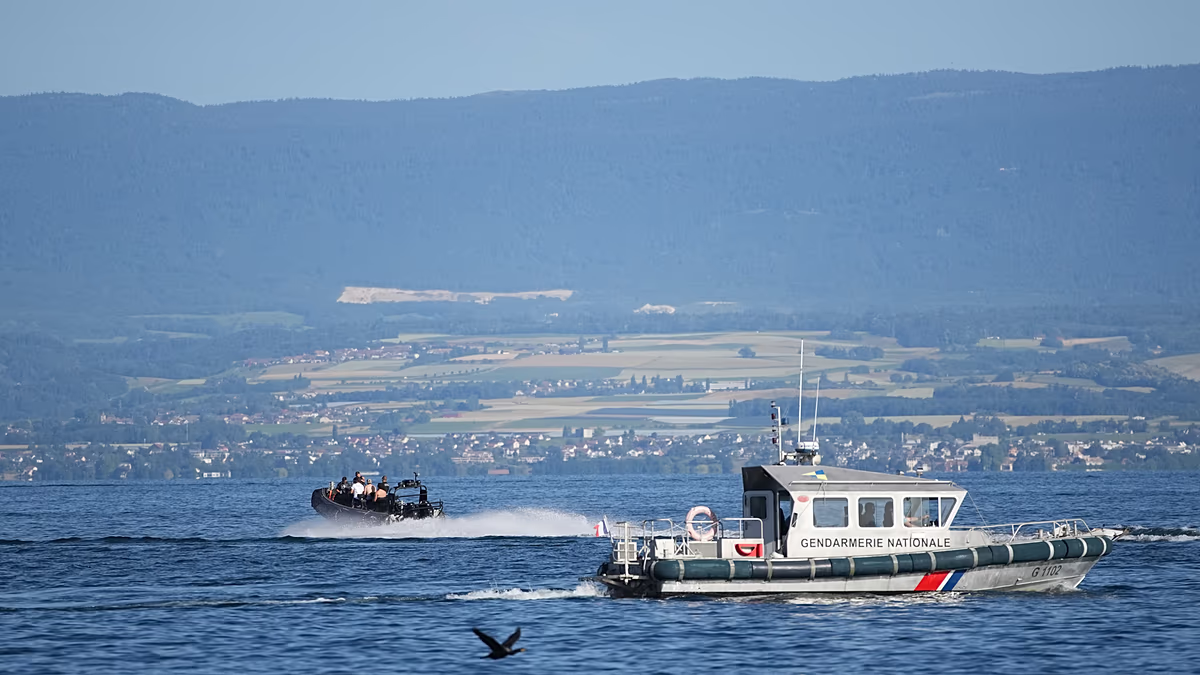
A sense of consequential motion hangs over Europe this morning, as leaders across the continent prepare for a day dense with diplomacy, conflict, and difficult choices. From the serene backdrop of the French Alps to the ministerial meeting rooms in Luxembourg, the agenda is dominated by the urgent need to navigate a world in flux. The day’s events underscore a Europe striving to assert its role, from managing the immediate horrors of war to shaping the long-term rules of technology and trade.
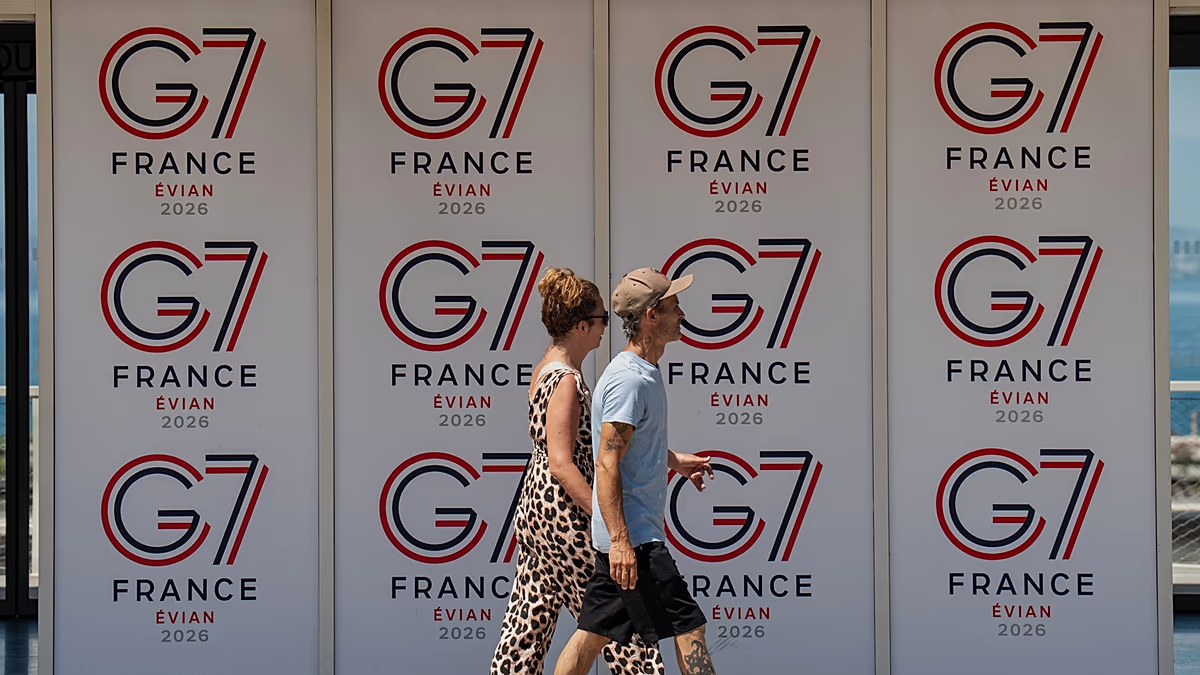
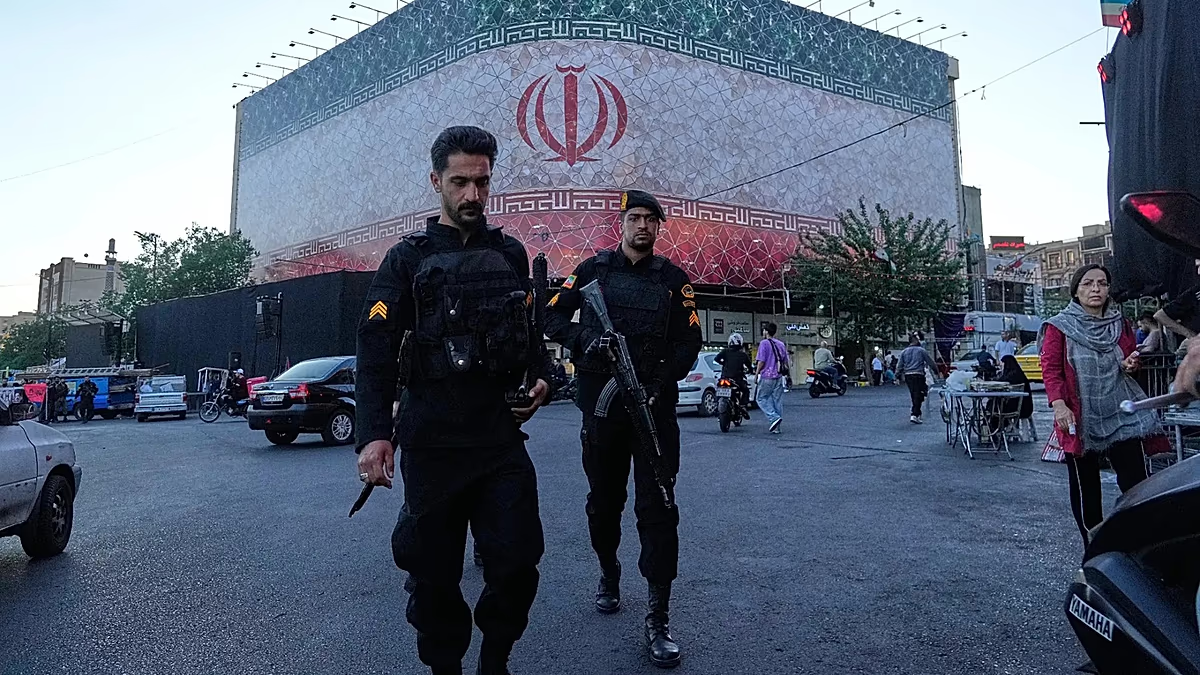
The shadow of war looms large, casting a pall over these diplomatic gatherings. In a brutal reminder of the ongoing devastation, Russia launched a fresh missile attack on Kyiv, severely damaging the historic Assumption Cathedral within the sacred Kyiv Pechersk Lavra monastery. This strike on a profound cultural and spiritual heart of Ukraine coincides precisely with President Volodymyr Zelenskyy’s arrival at the G7 summit in Évian-les-Bains, France. His presence there, at the invitation of French President Emmanuel Macron, is intended to solidify Western unity. However, the geopolitical landscape is shifting. As the U.S., under President Donald Trump, appears to pivot its diplomatic focus toward a newly brokered peace deal in Iran and the Middle East, European leaders are stepping into a more pronounced mediation role between Ukraine and Russia, despite Moscow’s continued public refusal to engage directly with Kyiv.
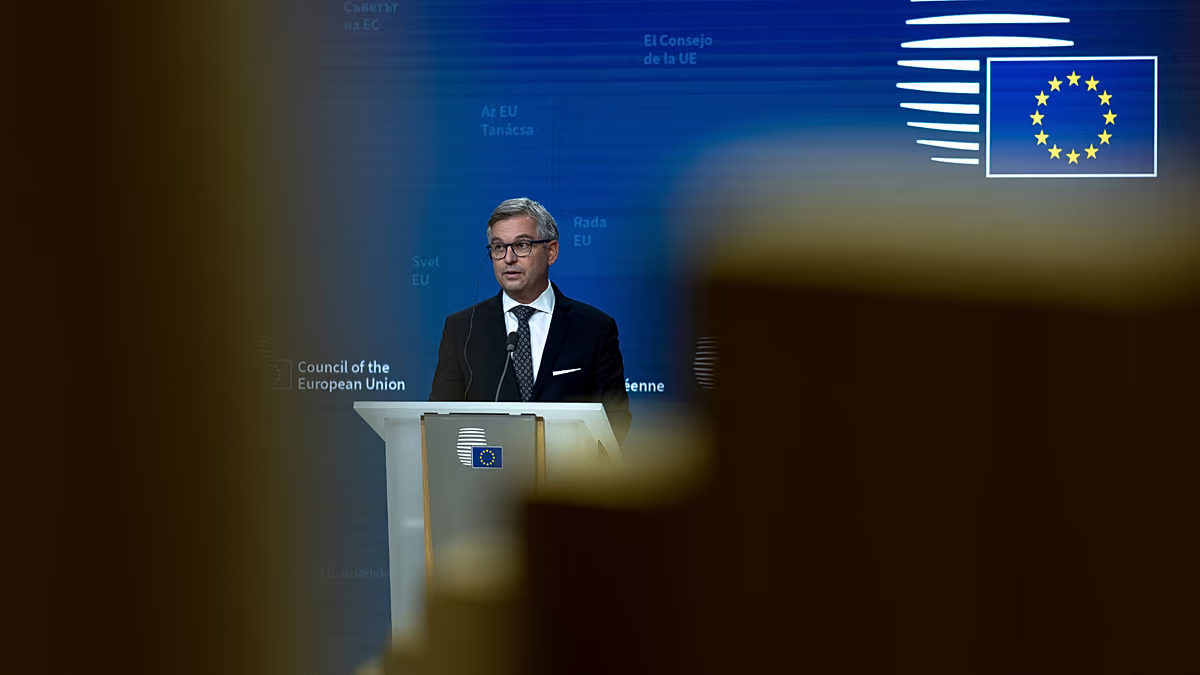
Alongside these high-stakes geopolitical maneuvers, a more bureaucratic but equally historic process is unfolding in Luxembourg. Today marks the formal opening of European Union membership talks for Ukraine and Moldova, a milestone long delayed by political hurdles. The first chapter of negotiations, focusing on fundamental democratic principles, begins just months after Hungary lifted its contentious veto. This step represents a powerful political signal of solidarity and a future horizon for the nations. Yet, even within the EU’s own halls, unity is tested. Foreign ministers are grappling with deeply divisive issues, such as potential sanctions against an inflammatory Israeli minister and trade restrictions on illegal West Bank settlements, where procedural disputes between member states and the European Commission reveal the challenges of turning shared concern into collective action.
Parallel to discussions of territory and sovereignty, a battle for technological sovereignty is intensifying. The G7 summit will host a pivotal conversation on artificial intelligence, bringing together leaders and the CEOs of leading AI companies. This dialogue gains extra urgency as the European Commission examines recent U.S. export controls on advanced AI models, seen in Brussels as a wake-up call. The episode reinforces a growing conviction that Europe must accelerate its own capabilities to avoid dependency and protect its strategic interests in a domain that will define future security and economic competitiveness.
Amid these converging crises, the very architecture of EU foreign policy faces internal scrutiny. The position of the EU’s High Representative for Foreign Affairs, Kaja Kallas, is under a microscope following a French document that suggested potentially weakening her role. This isn’t merely about one official’s portfolio; it reflects a fundamental tension between the ambition for a coherent, powerful European voice on the world stage and the enduring reality of national prerogatives and divergent interests among the 27 member states. The day’s meetings will test whether Europe can project strength through unity or if internal fractures will dilute its influence.
As the sun sets, leaders will convene for dinner in Évian, while in Luxembourg, the first chapters of a long European journey for Ukraine and Moldova are officially written. From the horrific scars on Kyiv’s ancient skyline to the polished tables of summitry, the day encapsulates a continent confronting violence, pursuing peace, and wrestling with its own identity and power. The outcomes of these gatherings—the tangible support for Ukraine, the progress on accession talks, the alignment on AI and trade—will determine whether Europe can successfully steer through the turbulent currents of this new era. The world is watching to see if its actions will match the weight of its ambitions.