


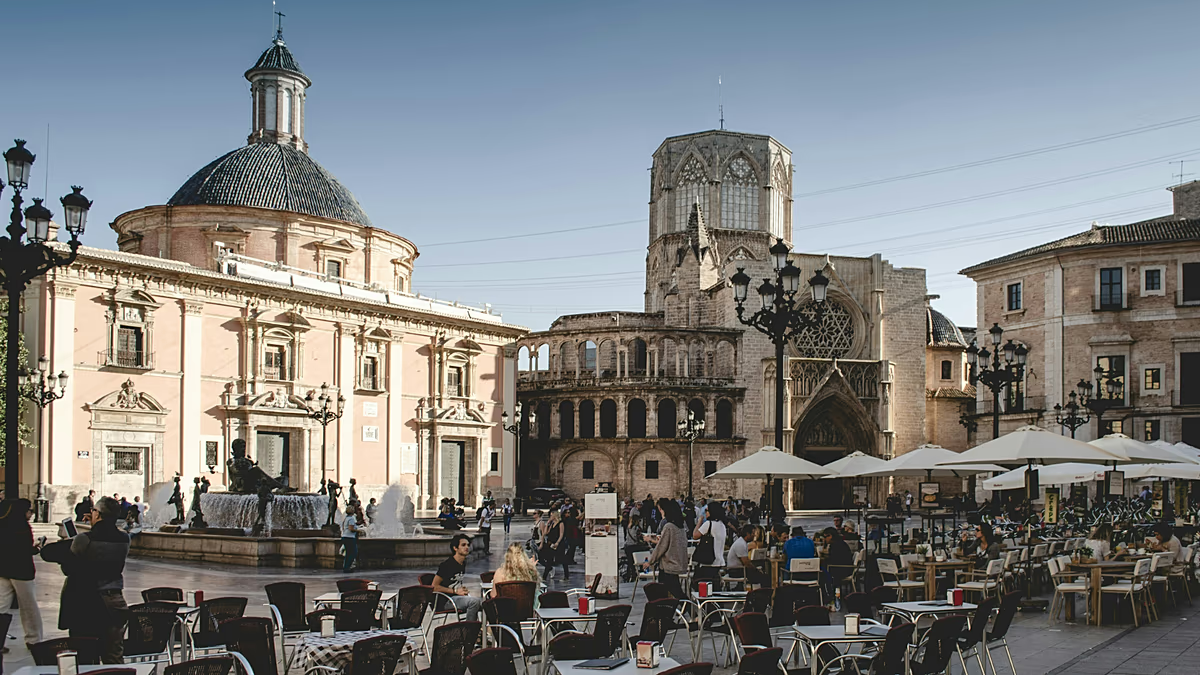
In Spain, the cherished tradition of enjoying a drink or meal on a sun-dappled café terrace is as much a part of summer as the blue sky overhead. However, this year, that quintessential experience may see significant changes as the country grapples directly with the impacts of climate change. Sparked by advocacy from hospitality unions seeking better protections for staff, new national regulations now formally link workplace safety to extreme weather alerts. This shift marks a profound recognition that Spain’s famed outdoor lifestyle must adapt to new environmental realities, potentially altering the rhythm of daily life for both residents and the millions of tourists who visit each summer.
The core of the new mandate focuses on worker safety during official weather emergencies. When the State Meteorological Agency (AEMET) issues an orange or red alert for hazards like extreme heat, flooding, or heavy snow, a revised labour framework springs into action. For the hospitality sector, this specifically means restaurants, bars, and cafés must take measures to protect employees. In the context of punishing heatwaves, establishments without adequate shade or cooling systems for their outdoor areas are required to either significantly reduce terrace service or close it entirely. The rules emphasize that closure is a last resort, encouraging businesses to first implement adaptations like adjusted shift patterns and mandatory, frequent hydration and rest breaks. Enforcement is serious, with penalties for non-compliance reaching upwards of €50,000 in severe cases, signaling a firm commitment to the new standards.
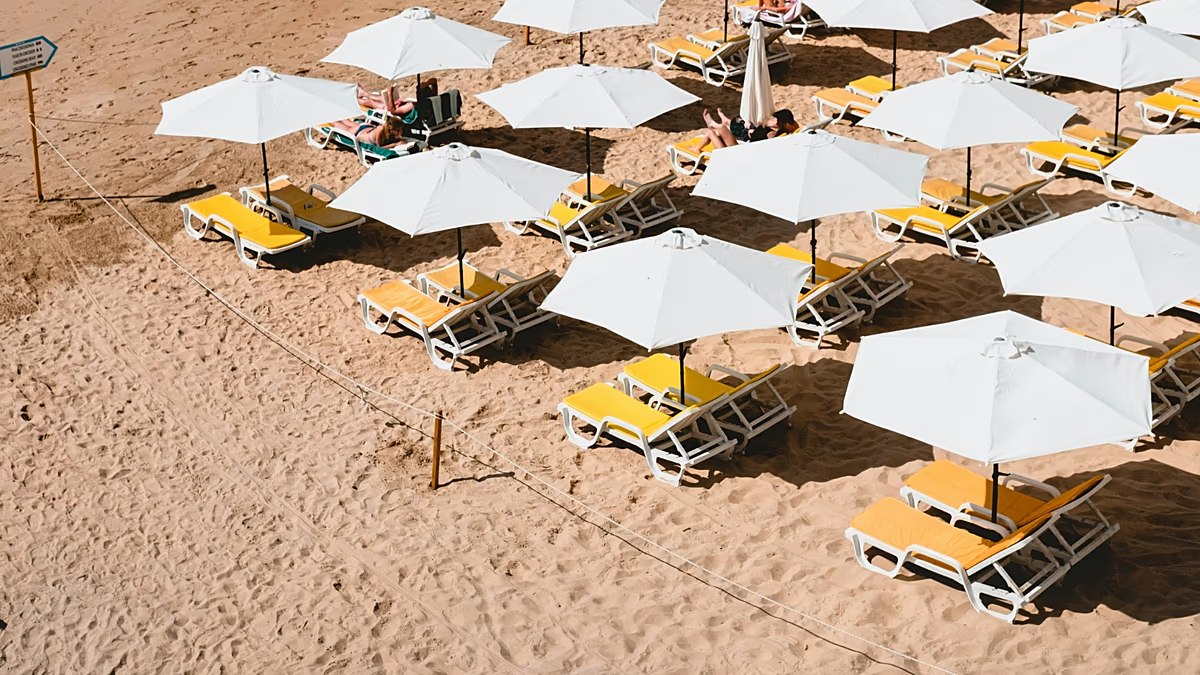
For visitors planning a Spanish getaway, this means holiday routines may require flexibility and a heightened awareness of the weather. While the image of sipping a cool beverage on a terrace is enticing, the reality for serving staff in 40°C (104°F) heat—carrying heavy trays and constantly moving—is not just uncomfortable but hazardous. During an active alert, travellers might find that al fresco service is paused during the peak afternoon heat, typically from around 2 p.m. to 6 p.m., even if indoor dining remains available. A simple adaptation is to plan for terrace meals in the cooler evening hours, when service is more likely to have resumed. This small shift not only respects the new worker protections but often leads to a more pleasant dining experience under the stars.
The necessity for these changes is underscored by the escalating intensity of Spanish summers. The past season saw temperatures rocket to 45°C (113°F) in some regions, conditions that are profoundly debilitating and dangerous for prolonged outdoor activity. Prime Minister Pedro Sánchez recently highlighted this “new normal,” noting that the country now contends with devastating droughts and heatwaves that are no longer rare, isolated events, but sometimes a single, relentless heatwave spanning the entire summer. In response, the government is developing a national network of climate shelters—public, air-conditioned spaces like libraries and community centres—to offer refuge during the most extreme days, a stark indicator of how infrastructure must evolve.
Ultimately, the terrace rule is a poignant symbol of a broader, necessary adaptation. It represents a societal choice to prioritize human well-being and dignity in the workplace over an unfettered commercial routine. This adjustment invites everyone—business owners, locals, and tourists—to participate in a more conscious and sustainable summer culture. It’s a recognition that preserving the joys of Spanish life, from lively evening paseos to shared meals outdoors, requires proactive steps to mitigate climate impacts today.
Looking ahead, Spain’s approach may serve as a blueprint for other warm-weather tourist destinations facing similar challenges. The message is clear: the future of tourism and daily life in a warming world depends on resilience, adaptation, and shared responsibility. For the traveller, this summer offers a chance to experience Spain’s enduring vibrancy while embracing a new rhythm—one that finds its lively pulse in the cooler mornings and evenings, ensuring that both the spirit of the fiesta and the health of those who make it possible are safeguarded for seasons to come.