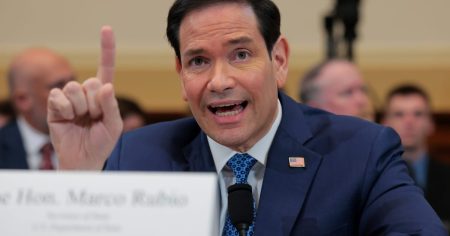
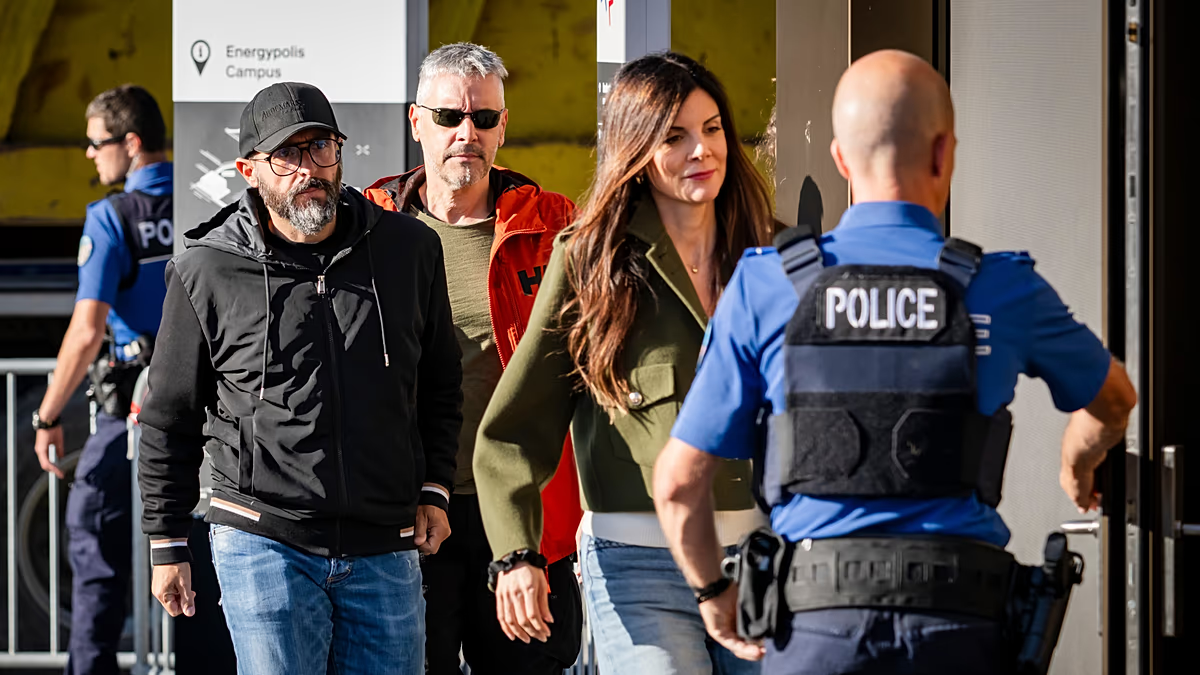


In this gathering of European Union foreign ministers in Luxembourg, the atmosphere is distinctly different from previous meetings. The notable absence of Hungary, often described as obstructionist in its diplomatic approach, appears to herald a smoother and more productive dialogue. Without this impediment, the EU hopes to make tangible progress on urgent geopolitical matters, including securing crucial aid for Ukraine and addressing possible sanctions against Israeli settlers in the West Bank. The sense of anticipation is palpable, as leaders aim to showcase European unity and decisiveness in the face of crises.
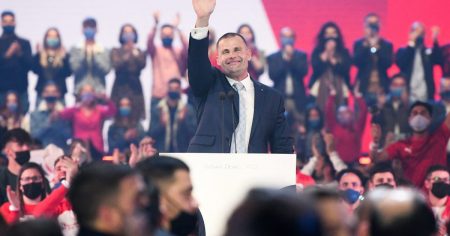
Bulgaria’s recent election results also command attention, with former fighter jet pilot Rumen Radev securing a significant victory. While his election marks a shift in the domestic political landscape, some in Brussels are watching him closely, wondering if he might emerge as a figure akin to Hungary’s Viktor Orbán. Observers fear a leader who could prioritize national interests in ways that potentially strain the broader European consensus. This development highlights ongoing tensions between member states’ sovereignty and collective EU policies, adding another variable to the Union’s already complex political dynamics.
Amidst the geopolitical scrutiny, EU representatives are also examining their own operational footprints. With Brussels encouraging citizens to reduce travel for fuel conservation, members of the European Parliament have come under fire for their monthly voyages to Strasbourg. This arrangement, seen by many as an expensive and environmentally unsustainable ritual, faces renewed criticism. It points to a broader desire within European institutions to realign symbolic commitments with practical necessity and environmental responsibility.
In a lighthearted, personal moment of reflection, host Zoya Sheftalovich, currently vacationing in Australia, playfully voices her dissatisfaction with her colleague, Ian. Such candid asides bring a sense of humanity to the often formal domain of political analysis, reminding listeners that even those reporting from the heart of European policy share in everyday human emotions.
This personal touch is further enhanced when executive editor, Carrie Budoff Brown, calls in to offer a heartfelt birthday greeting. These moments of connection, woven into the fabric of broader policy discussions, subtly bridge the distance between analysts and audiences, fostering intimacy and relatability in what can otherwise seem like an abstract diplomatic sphere.
In conclusion, today’s developments illustrate the intricate blend of high-stakes diplomacy and human interactions that characterize European governance. Listeners are encouraged to engage further through question submissions or comments via WhatsApp—an invitation to participate in the ongoing conversation around Europe’s role in world affairs.