


Paragraph 1
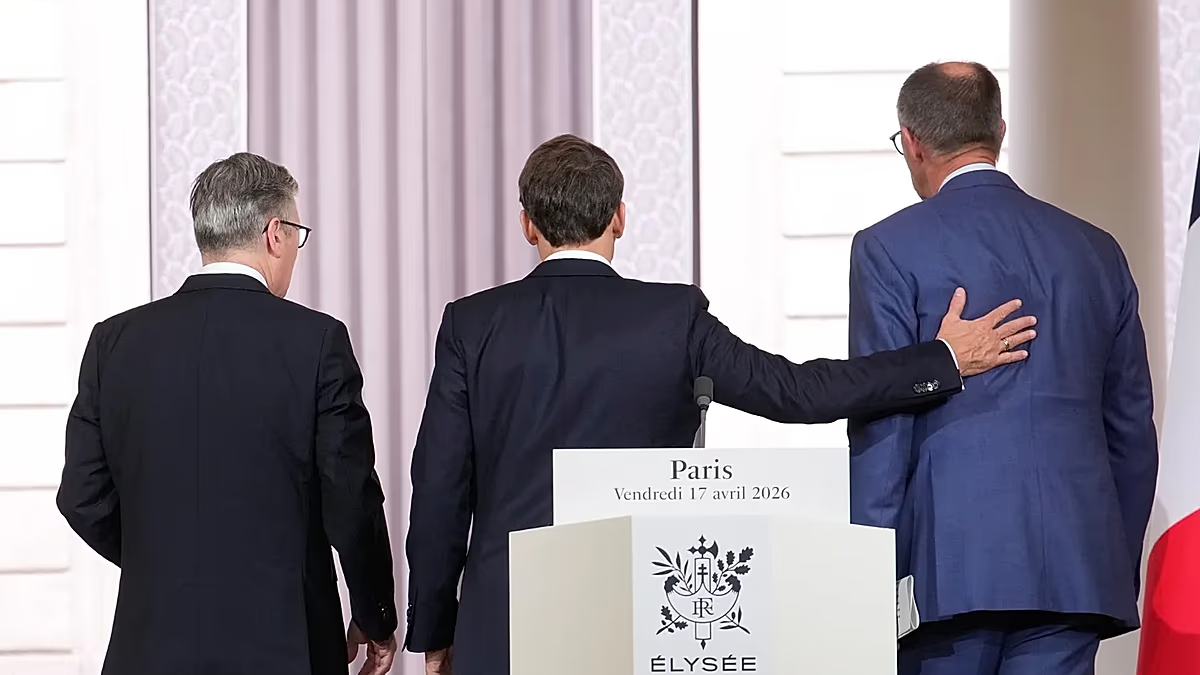
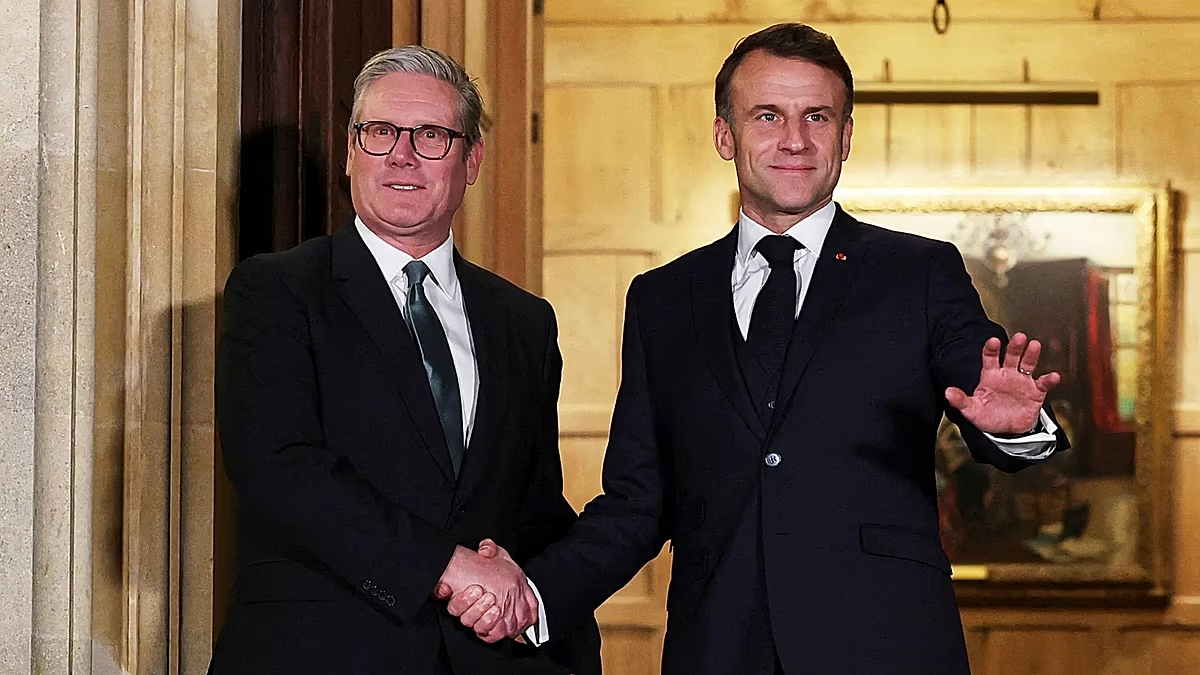
In a significant diplomatic and military mobilization, a broad coalition of nations is converging on Paris. Led by European powers and including key non-NATO partners like South Korea, Japan, and Australia, the group aims to forge a concrete plan to reopen the Strait of Hormuz—a vital maritime artery now paralyzed by conflict. The urgency is palpable. Since late February, following U.S. and Israeli airstrikes against Iran, Tehran sealed the strait, triggering global economic shockwaves. Europe, heavily dependent on the oil and gas that flows through this channel, finds itself acutely vulnerable. The upcoming Paris meeting, set for a hybrid format with most attendees online and leaders from France, the UK, and Germany present in person, represents a critical attempt to move from fraught discussions to actionable strategy.
Paragraph 2
The proposed mission, as outlined by planning officials, is envisioned as a strictly defensive and multinational shield. Its components would be multifaceted: military vessels for escort duty, specialized units for clearing naval mines, advanced radar systems for surveillance, and enhanced intelligence-sharing. The objective is not to wage war but to create a secure corridor, allowing commercial shipping to resume once active hostilities subside. Some nations, like the Netherlands, are already pre-positioning frigates in the region. A NATO source emphasized the delicate intent: “The aim is that we now move beyond planning… But it’ll be on the defensive side of things.” This careful phrasing underscores a pervasive fear of mission creep, a dread of being unintentionally pulled into a direct confrontation with Iran.
Paragraph 3
This push for a coalition-led solution stems from intense international pressure, particularly from the United States. Initially, many European NATO members were reluctant, viewing the strait closure as a consequence of a conflict they did not start. However, that stance shifted dramatically after U.S. President Donald Trump issued a blunt ultimatum to NATO allies during Secretary General Mark Rutte’s recent Washington visit, demanding a plan “within days.” A NATO source revealed that “there was real frustration from Trump, and it was made clear we needed to get into action.” This pressure catalyzed the planning now coming to a head in Paris, illustrating how European strategic autonomy is being tested and compelled by the demands of a volatile ally.
Paragraph 4
The geopolitical and economic stakes could scarcely be higher. The Strait of Hormuz is the conduit for approximately one-fifth of the world’s oil, and its closure has caused shipping costs and global energy prices to soar. Complicating matters further, Iran has selectively kept the passage open for allies like China and Turkey while restricting others. In a major escalation, the U.S. recently imposed its own counter-blockade on maritime traffic to and from Iranian ports, aiming to squeeze Tehran’s oil revenue and pressure its allies. This move has effectively turned the strait into a dual-blockade zone, threatening even greater economic pain and raising the peril for any future maritime security mission.
Paragraph 5
Consequently, the coalition is walking a political tightrope to define the mission’s legal and operational mandate. Leaders are adamant that it must be seen as separate from the warring parties—specifically the U.S. and Israel—to avoid appearing as an extension of their campaign. French President Emmanuel Macron has explicitly called it a “strictly defensive mission” that would be “separate from the warring parties.” This distinction likely means the operation will not be a formal NATO mission, given the U.S.’s central role in the alliance and the conflict. Alternatives, such as expanding the existing European Union naval mission (Aspides) or seeking a near-impossible UN Security Council mandate, are under discussion to provide a veneer of neutral legitimacy.
Paragraph 6
Despite the gathering momentum, profound risks and reservations loom. Military experts warn of the operation’s deep complexity and inherent danger. Ed Arnold of the defense think tank RUSI pointed out the central dilemma: “If you’re not prepared to join the war, then maybe don’t do the first part, because the Iranians will know that the Europeans aren’t much of a deterrence force.” German Chancellor Frederich Merz echoed this caution, stating any German participation would require at least a provisional ceasefire and parliamentary approval, noting, “We are still a long way from that.” The path forward is shrouded in uncertainty. While diplomatic efforts continue to extend a fragile ceasefire, the coalition in Paris is attempting to assemble a lifeboat for global trade, all while navigating the treacherous waters of a proxy conflict and great-power pressure, hoping to avoid sparking the very wider war it seeks to circumvent.