



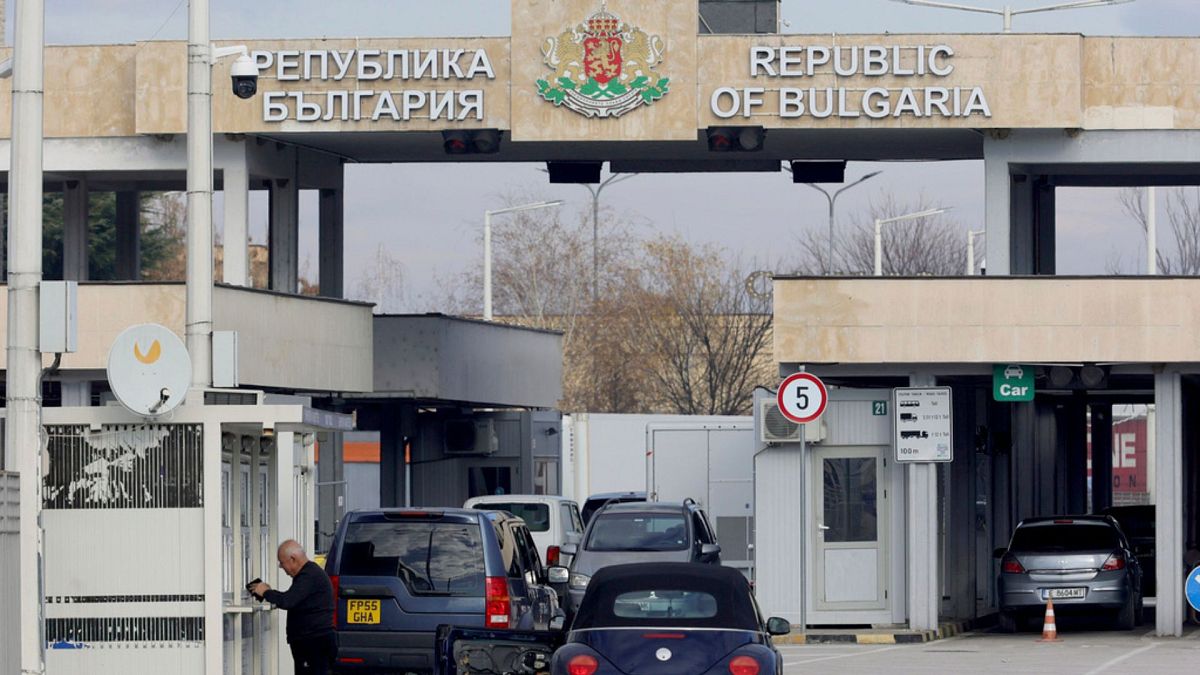
The Schengen Area, a hallmark of European integration, significantly expanded its reach on January 1, 2024, welcoming Romania and Bulgaria into its visa-free zone. This expansion marks a momentous occasion for the combined 25 million residents of these two Balkan nations, finally granting them the same freedom of movement enjoyed by nearly 450 million other EU citizens. This achievement culminates a long journey that began with their accession to the European Union in 2007, followed by the initiation of Schengen accession negotiations in 2011. The removal of land border checks signifies the culmination of years of efforts and negotiations, effectively dissolving the physical barriers that once separated these countries from the rest of the Schengen zone. This integration not only streamlines cross-border movement but also strengthens the sense of unity and shared purpose within the European community.
The incorporation of Romania and Bulgaria into the Schengen Area holds profound implications for their citizens. The ability to travel freely within the Schengen zone represents more than just a convenience; it symbolizes their full integration into the European project. For years, Romanian and Bulgarian citizens endured lengthy queues at border crossings, a tangible reminder of their differentiated status within the EU. Now, these queues become a relic of the past, replaced by the seamless flow of people and goods across borders. This newfound freedom empowers citizens to study, work, and travel across the Schengen zone without the bureaucratic hurdles previously encountered, fostering greater economic and social opportunities. The psychological impact is equally significant, as the removal of border controls reinforces the sense of belonging and shared European identity.
The expansion of the Schengen Area also carries substantial benefits for the wider European community. The free movement of people facilitates cross-border trade, tourism, and cultural exchange, boosting economic growth and enriching intercultural understanding. Businesses can more easily access wider markets, while individuals can pursue educational and employment opportunities across the Schengen zone. The increased flow of tourists between Romania, Bulgaria, and other Schengen countries is expected to stimulate economic activity in all involved nations, fostering new business ventures and creating employment opportunities.
While the removal of border controls signifies a significant step towards greater integration, security considerations remain paramount. To address potential security concerns, random checks will be implemented at borders for at least the first six months following the expansion. These checks, particularly targeting larger vehicles, aim to deter criminal activities and maintain a secure environment within the Schengen zone. This balanced approach seeks to reconcile the benefits of free movement with the imperative to safeguard national security and public safety. The focus on larger vehicles reflects the understanding that these may be more susceptible to illicit activities such as smuggling or human trafficking.
The origins of the Schengen Area can be traced back to 1985 when five European countries signed an agreement to abolish internal border controls. Over the years, the Schengen zone has gradually expanded to encompass 27 EU member states, along with non-EU countries such as Iceland, Norway, Switzerland, and Liechtenstein. The inclusion of Romania and Bulgaria marks a significant milestone in this ongoing process of European integration, further solidifying the principles of free movement and open borders within the continent.
The expansion of the Schengen Area to include Romania and Bulgaria represents a triumph for European integration, symbolizing the enduring commitment to free movement and open borders. This historic development not only empowers the citizens of Romania and Bulgaria with newfound freedom and opportunities but also strengthens the fabric of the European community as a whole. While security measures remain in place to address potential risks, the removal of internal border controls underscores the shared vision of a unified and prosperous Europe. The seamless flow of people, goods, and ideas across borders promises to foster greater economic growth, cultural exchange, and mutual understanding among European nations.