



Paragraph 1:
In a stunning financial twist, contracts for potatoes have rocketed in value, surging roughly 705% in under a month. While that percentage is eye-watering, the actual price remains modest, rising from about €2.11 to €18.50 per hundred kilograms. This paradox lies at the heart of a European agricultural market caught between financial speculation and physical reality. For the average person, it’s a puzzling disconnect: how can something be described as soaring in price while simultaneously being considered dirt-cheap? The answer lies in understanding the difference between paper markets that bet on future values and the actual potatoes sitting in warehouses and fields across the continent.
Paragraph 2:
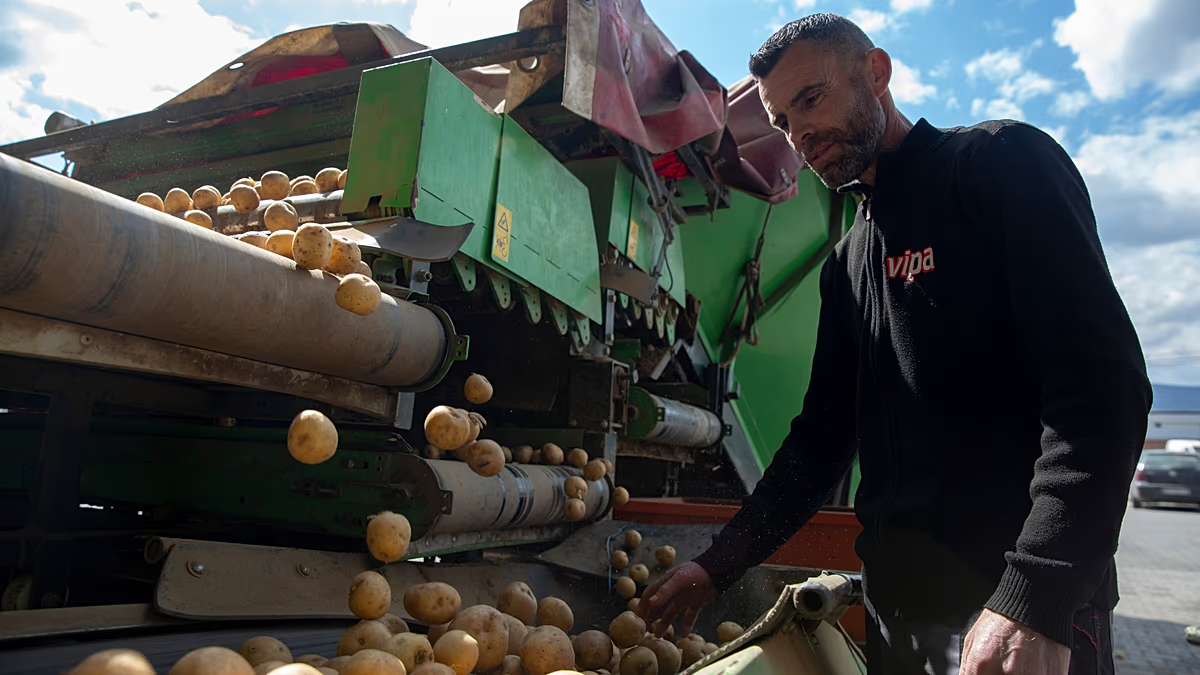
The root of today’s low physical prices is a story of overabundance. After several seasons of strong prices and perceived shortages, farmers across Western Europe—in nations like Belgium, the Netherlands, France, and Germany—significantly expanded their potato planting. Mother Nature cooperated all too well, delivering ideal growing conditions and exceptionally large harvests. The result is a massive surplus that the system is struggling to digest. Processors and exporters are overwhelmed, leading to a collapse in the prices farmers receive at the farmgate. In some extreme cases, lower-quality potatoes destined for animal feed or industrial starch have traded at near-zero or even negative prices, meaning growers pay to have the excess removed, a desperate situation highlighting the scale of the glut.
Paragraph 3:
Against this backdrop of tangible oversupply, the recent spike in financial contracts seems baffling. The referenced €18.50 price is for “free-buy” potatoes on the open market, not those locked into pre-arranged contracts. For many growers, even this price is financially crippling, as the costs of production—fuel, fertilizer, electricity, and storage—have risen sharply. The dramatic move in potato-linked financial instruments is less about today’s overflowing warehouses and more a bet on tomorrow’s scarcity. Traders in these markets are looking past the current surplus, pricing in volatility and risks that could tighten future supply, demonstrating how financial markets can operate in a different realm from the day-to-day realities of farming.
Paragraph 4:
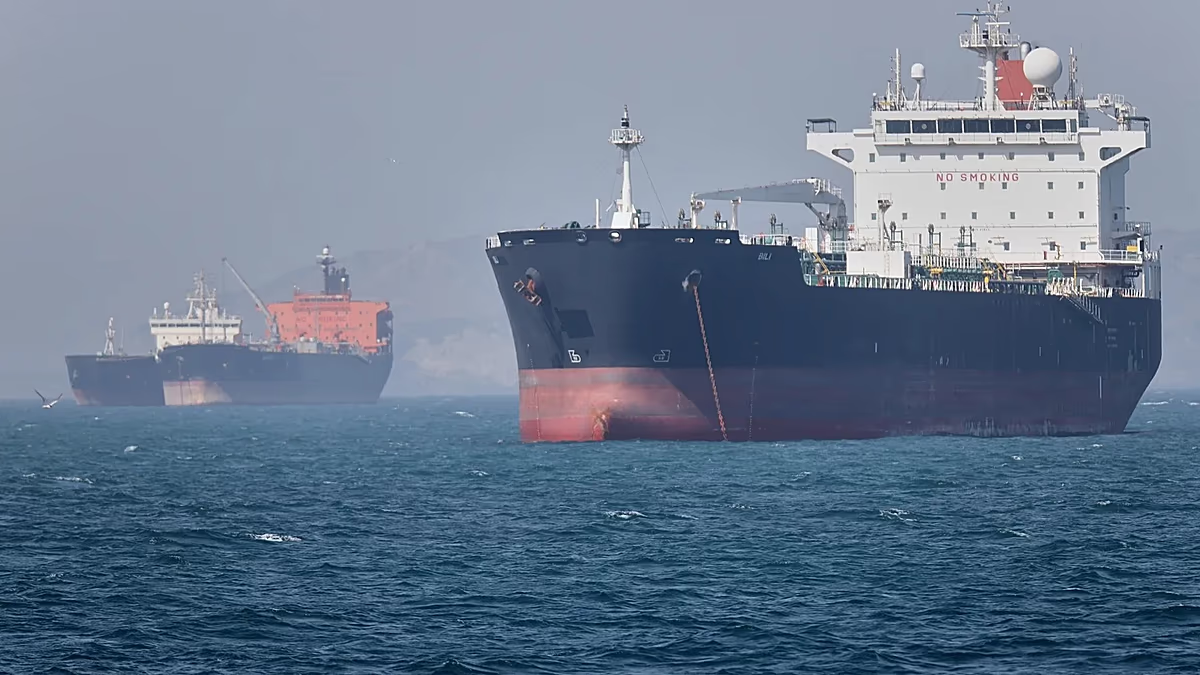
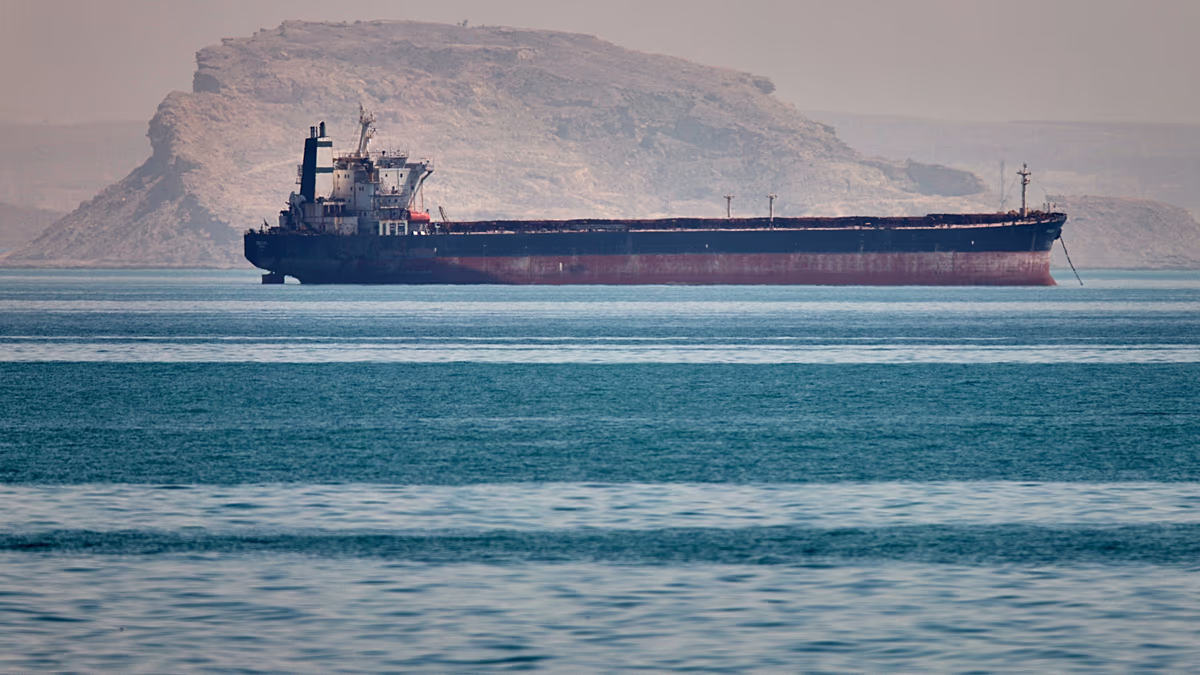
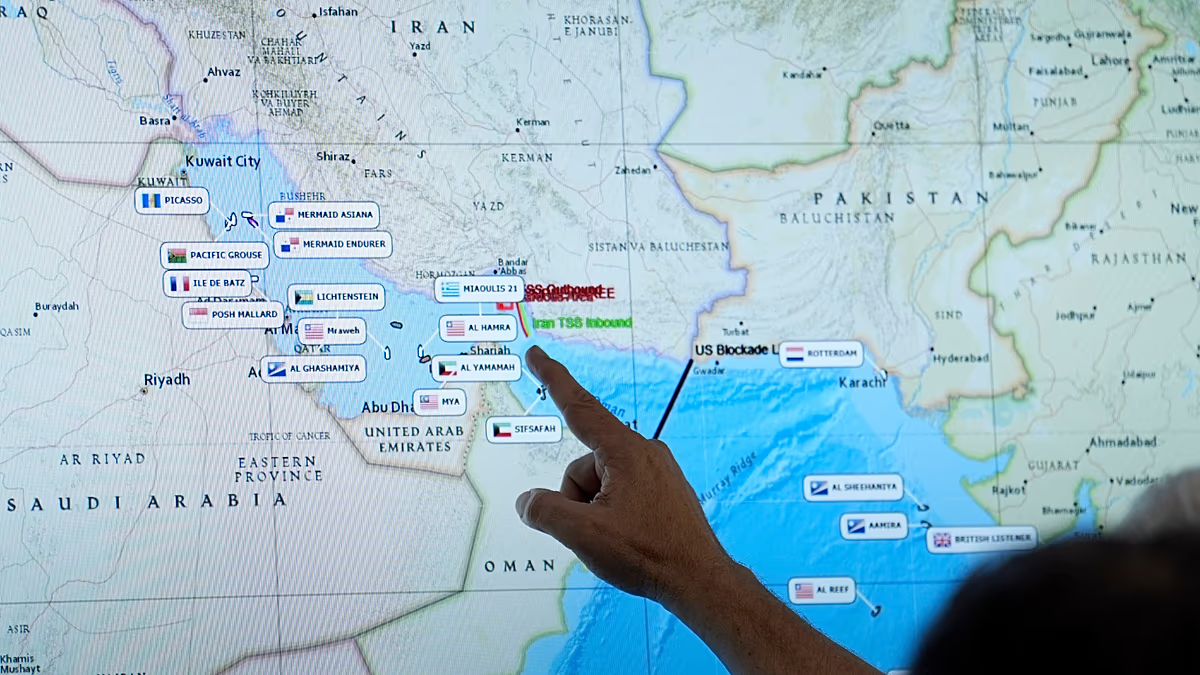
A primary force causing this forward-looking anxiety is the ongoing conflict involving Iran, which has cast a long shadow over global agriculture. The war has severely disrupted the export of critical chemicals and minerals, including the fertilizers that are the lifeblood of modern, high-yield farming. As a nutrient-intensive crop, potatoes are particularly vulnerable to fertilizer shortages and price shocks. Making matters worse, key shipping routes like the Strait of Hormuz—a conduit for roughly a third of the world’s fertilizer trade—have become hazardous, snarling logistics and inflating costs for every input needed to grow food.
Paragraph 5:
This combination of geopolitical instability and booming financial volatility is reshaping market psychology. Traders are increasingly discounting the present reality of a potato surplus and are instead repricing futures contracts to account for a potentially much tighter market ahead. The fear is that today’s cheap potatoes, grown with fertilizers purchased before the crisis, could be followed by substantially smaller and more expensive harvests next season. This shift in focus from present inventory to future risk is what’s driving the explosive moves in financial benchmarks, even as consumers still enjoy stable prices for potato products on supermarket shelves.
Paragraph 6:
Ultimately, the story of the potato market is a microcosm of a fragile global system. It illustrates the tension between immediate physical abundance and looming threats to future production. For European consumers, the direct impact remains muted for now. However, the frantic activity in financial markets serves as an early warning signal—a reflection of deep anxiety about how war, trade disruption, and resource scarcity intertwine to threaten food security. It’s a reminder that the affordability of our most basic staples is inextricably linked to complex chains of production and logistics that stretch across the world, chains that are now under unprecedented stress.