



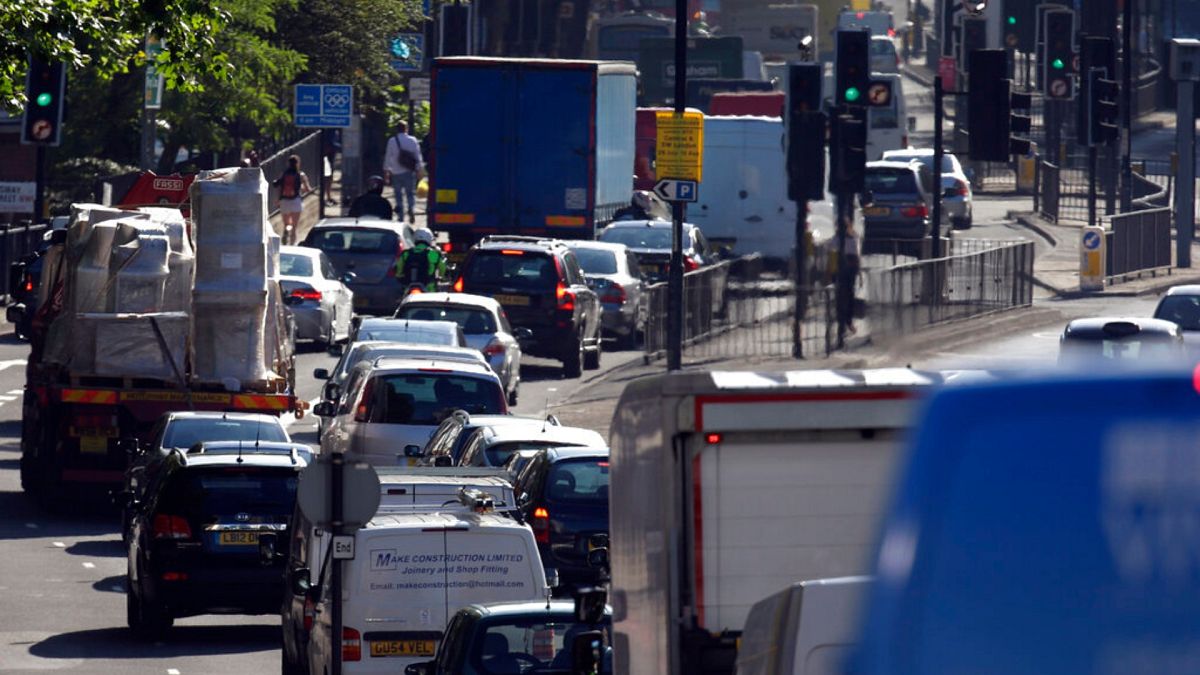
London’s traffic congestion continues to reign supreme, topping the list of Europe’s most gridlocked cities for the fourth consecutive year and securing the fifth spot globally. Inrix, a traffic analytics company, reveals in its 2024 Global Traffic Scorecard that London’s congested roads accounted for approximately half of all UK traffic delays in 2023. This translates to a staggering £3.85 billion (€4.64 billion) in lost time, equating to roughly £942 (€1,135) per driver. The city’s dense population, concentrated employment opportunities, and robust economic activity contribute significantly to this persistent congestion, creating some of the world’s most delay-prone traffic corridors. While UK congestion saw a slight uptick in 2023, the overall trend has remained relatively stable. Roadworks on crucial arteries, such as the M25 Wisely Interchange, a major route into the capital, played a significant role in exacerbating delays. Interestingly, while London shoulders the burden of half the UK’s congestion, cities outside the capital experienced the most significant increases in traffic issues. UK drivers, on average, spent 62 hours stuck in traffic last year.
London’s intricate road network, including the red routes managed by Transport for London (TfL), carries approximately one-third of the city’s traffic flow. These major thoroughfares prohibit stopping, parking, loading, and unloading to maintain traffic movement. TfL emphasizes its commitment to ensuring safe, sustainable, and efficient mobility for Londoners. The organization underscores its investment in pedestrian infrastructure, cycling initiatives, and public transport to promote sustainable transportation choices, ultimately aiming to reduce traffic congestion. Recognizing the heavy traffic volume on its network, including some of the busiest roads in the country, TfL continues to invest in cutting-edge programs to optimize road usage efficiency.
Inrix’s congestion ranking considers both the duration of delays experienced by drivers and the population size of each city. Unsurprisingly, several European capitals dominate the list. London drivers endured an average of 101 hours idling in traffic last year. Paris follows closely with 97 hours of delay, ranking second in Europe and sixth globally. Dublin claims the third spot among European cities with 81 hours of delay. Rome and Brussels follow suit, with drivers experiencing average annual delays of 71 and 74 hours, respectively. This data underscores the widespread challenge of traffic congestion across major European urban centers.
The consistent ranking of London as Europe’s most congested city for four consecutive years has sparked concern from environmental groups like Possible. They highlight the detrimental impact of this persistent congestion on climate change, public health, and the economy. The organization advocates for bolder action to encourage walking, cycling, and the use of public transportation as more sustainable alternatives to private vehicles. This call for change emphasizes the urgent need to address the multifaceted negative consequences of chronic traffic congestion.
London’s traffic woes underscore a broader global trend of increasing urban congestion, with significant implications for various aspects of city life. The economic costs are substantial, encompassing lost productivity, increased fuel consumption, and higher transportation expenses. Furthermore, the environmental impact is undeniable, contributing to air pollution and greenhouse gas emissions. Public health suffers as well, with increased exposure to harmful pollutants and the detrimental effects of stress and inactivity associated with prolonged time spent in traffic.
Addressing this complex challenge requires a multi-pronged approach. Investing in public transportation infrastructure, promoting active travel options like walking and cycling, and implementing smart traffic management systems are crucial steps. Furthermore, encouraging flexible work arrangements and staggered working hours can help alleviate peak-hour congestion. Urban planning strategies that prioritize denser, mixed-use developments can also reduce reliance on private vehicles. Ultimately, a comprehensive and sustained effort from governments, businesses, and individuals is essential to combat the pervasive problem of urban traffic congestion and create more livable and sustainable cities.
The persistent traffic congestion in London and other major European cities highlights the urgent need for sustainable transport solutions. While investments in public transport, cycling, and walking infrastructure are crucial, addressing the root causes of congestion requires a holistic approach. This includes promoting flexible work arrangements, optimizing traffic flow through technology, and implementing urban planning strategies that prioritize sustainable mobility. The economic, environmental, and health implications of chronic traffic congestion necessitate a concerted effort to create more efficient and sustainable urban transportation systems.