



Airline dress codes have become a topic of increasing discussion and enforcement in recent years, with carriers on both sides of the Atlantic implementing policies to regulate passenger attire. While some airlines have explicit guidelines published on their websites, others rely on more informal practices, empowering gate and cabin crew to make judgments about what constitutes acceptable clothing. This has led to a varied landscape of dress code implementation, raising questions about consistency and potential discrimination.
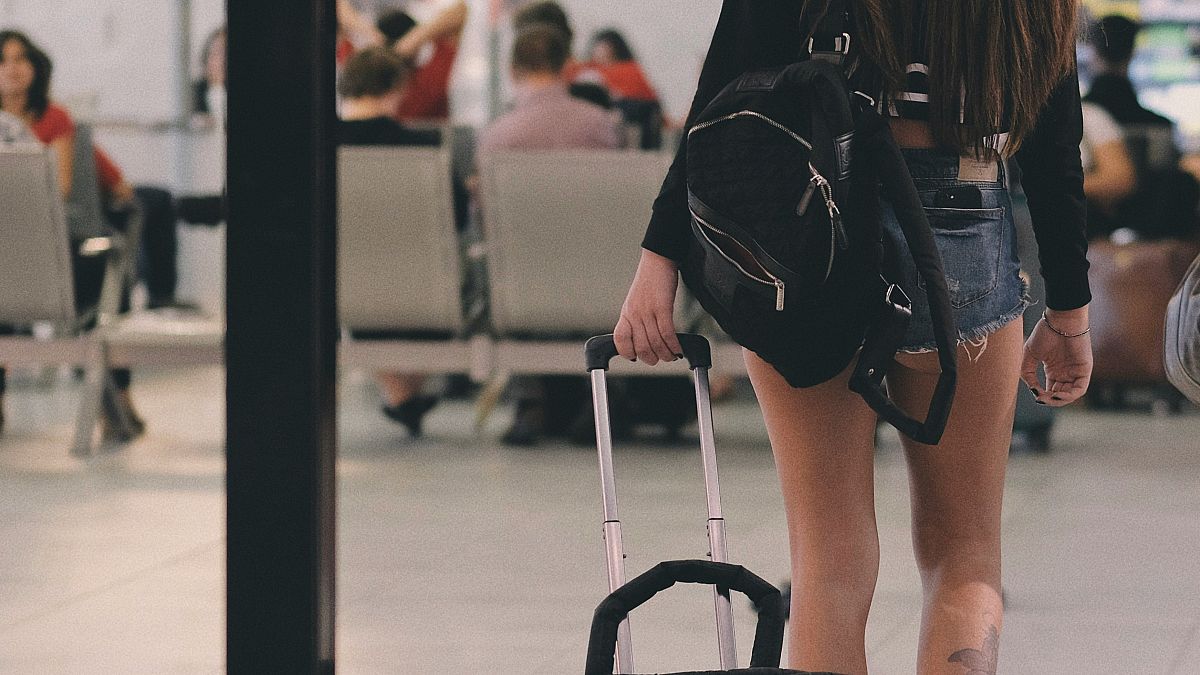
One of the most notable examples of a stricter dress code implementation is Spirit Airlines. In January 2024, the airline updated its Contract of Carriage to explicitly prohibit certain clothing items and styles. The new regulations bar passengers from boarding if they are barefoot, inadequately clothed (defined as see-through clothing, insufficient coverage, or exposure of private parts), or wearing clothing with lewd, obscene, or offensive content or odors, unless related to a disability. The airline reportedly implemented these stricter measures after incidents involving passengers attempting to board in revealing or offensive attire.
Spirit Airlines’ approach reflects a growing trend among airlines to more actively manage passenger dress. Other US carriers, including United Airlines and Delta Air Lines, have similar policies, though not always as explicitly detailed. United Airlines reserves the right to deny boarding to passengers who are barefoot, improperly clothed, or wearing lewd, obscene, or offensive attire. Delta Air Lines’ policy focuses on passenger comfort and safety, stating that passengers may be removed if their conduct, attire, hygiene, or odor creates an unreasonable risk of offense or annoyance to other passengers.
While US airlines often publish their dress code policies, European carriers tend to operate with less formal, though still enforced, guidelines. Crew members are often given the authority to determine whether a passenger’s attire is suitable for boarding. This practice allows for greater flexibility but also raises concerns about subjectivity and potential inconsistencies. Reports suggest that European airlines, including Jet2, Ryanair, TUI, and Easyjet, regularly ask passengers to cover up or remove clothing with swear words or offensive logos. While the specifics may not be published on their websites, the power to enforce a dress code rests with the airline staff.
The rationale behind airline dress codes varies, but generally centers around maintaining a comfortable and respectful environment for all passengers. Airlines argue that these policies are necessary to prevent disruptions, maintain hygiene standards, and ensure passenger safety. The focus on offensive language and imagery aims to prevent discomfort or offense to fellow travelers. The regulations regarding bare feet often pertain to hygiene and safety concerns, while prohibitions against overly revealing clothing aim to prevent disruptions and maintain a certain level of decorum.
However, the implementation of dress codes has also sparked debate. Critics argue that such policies can be subjective, discriminatory, and potentially target certain demographics. Concerns have been raised about the potential for biased enforcement based on factors such as race, gender, body type, and socioeconomic status. For instance, policies prohibiting “inadequate clothing” can be interpreted differently depending on the observer, leading to inconsistent application and potential unfairness. Furthermore, critics argue that dress codes can infringe on personal expression and individual freedom.
The lack of clear, standardized guidelines across the industry contributes to this ambiguity. The varying approaches to dress code enforcement – from published policies to reliance on staff discretion – raise questions about fairness and transparency. While airlines aim to maintain a comfortable and respectful environment, there is a need for greater clarity and consistency in dress code implementation to avoid potential discrimination and ensure a positive travel experience for all passengers. A more standardized approach, coupled with clear communication of these standards to passengers, could help mitigate these concerns.