


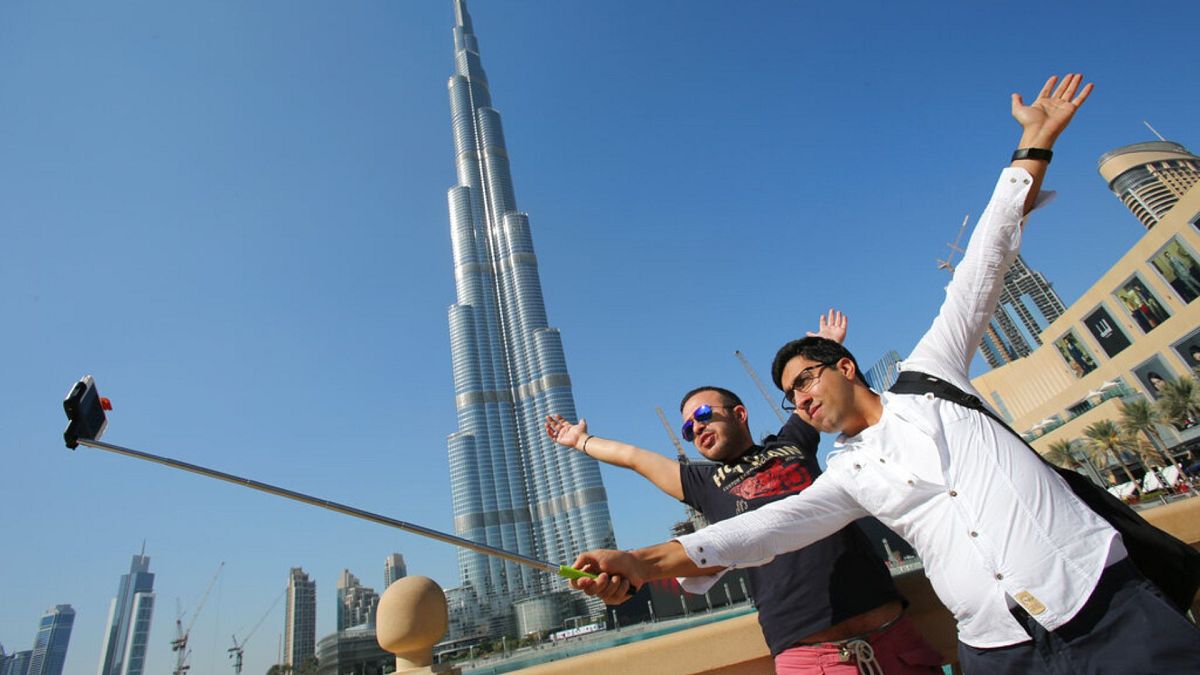
Dubai’s meteoric rise as a global hotspot over the past five years, fueled by record tourism and immigration, is creating a strain on the city’s infrastructure and resources, leaving some residents feeling overwhelmed. The influx of new arrivals, drawn by Dubai’s allure as a business and leisure destination, has propelled real estate transactions to record levels and boosted profits for state-owned airline Emirates. However, this rapid growth has also exacerbated existing challenges, particularly in terms of traffic congestion and soaring housing costs, impacting both Emirati citizens and the large expatriate community that drives the city’s economy. The surge in population has ignited public discourse, a rarity in the tightly controlled environment of the UAE, with concerns raised about affordability, infrastructure limitations, and the potential for social imbalances.
The city’s ambitious population growth targets, aiming for 5.8 million residents by 2040, a significant increase from the current estimated 3.8 million, underscore the scale of the challenge. The liberalization of property ownership for foreigners in 2002 ignited Dubai’s real estate boom, and despite temporary dips during the 2008 financial crisis and the COVID-19 pandemic, property prices have rebounded to record highs. This surge has driven rental prices up by as much as 20% in prime areas, forcing some residents to seek more affordable housing further from the city center, exacerbating the already challenging traffic situation.
Traffic congestion has become a major concern, with the iconic Sheikh Zayed Road, a 12-lane artery cutting through the city’s heart, choked daily by approximately one million commuters from neighboring emirates. The predominance of single-occupancy vehicles, estimated at four out of five employees driving alone, further compounds the problem. Dubai’s vehicle registration rate has outpaced the global average, necessitating longer license plates to accommodate the influx of new cars. Despite ongoing efforts to expand road infrastructure with flyovers and other improvements, the rate of vehicle growth continues to outstrip capacity, leading to ever-increasing congestion.
The severity of the traffic situation has prompted even prominent Emirati figures to publicly address the issue, a notable departure from the usual reticence on public affairs. Habib Al Mulla, a prominent lawyer, voiced concerns about congestion and the need for immediate and long-term solutions on social media and in published opinion pieces. He also highlighted the potential social risks associated with rising income inequality and the widening gap between the affluent and lower-income residents, particularly segments of the Emirati population. This public expression of concern reflects the growing unease about the strain on resources and potential social implications of rapid population growth.
Adding to the complexity is the demographic shift, with the Emirati population becoming a smaller percentage of the total as foreigners continue to flock to Dubai. While official figures are not publicly available, estimates suggest Emiratis comprise around 10% of the UAE’s over 9 million residents, a proportion that is likely shrinking. This demographic change has even prompted religious discourse, with Friday sermons emphasizing the importance of larger families as a national duty and a way to ensure the sustainability of the nation. This highlights the government’s awareness of the demographic implications of the current population trends.
Dubai’s government, under the leadership of Sheikh Mohammed bin Rashid Al Maktoum, is actively exploring solutions to address the mounting challenges. These range from practical measures like promoting remote work and flexible working hours to ambitious projects like flying taxis. Studies suggest that incorporating five remote workdays per month could significantly reduce peak travel times. The city’s road toll system, Salik, has implemented additional toll gates and will introduce surge pricing to manage traffic flow. The expansion of the Dubai Metro, already boasting the world’s longest driverless train line, is also underway. Longer-term visions include a network of flying taxis, with the first “vertiport” currently under construction near Dubai International Airport. Complementing these initiatives are plans for extensive pedestrian pathways, though the extreme summer heat remains a significant deterrent for pedestrian traffic. Despite these innovative efforts, the influx of people and vehicles continues unabated, presenting a constant challenge to the city’s infrastructure and resources.