

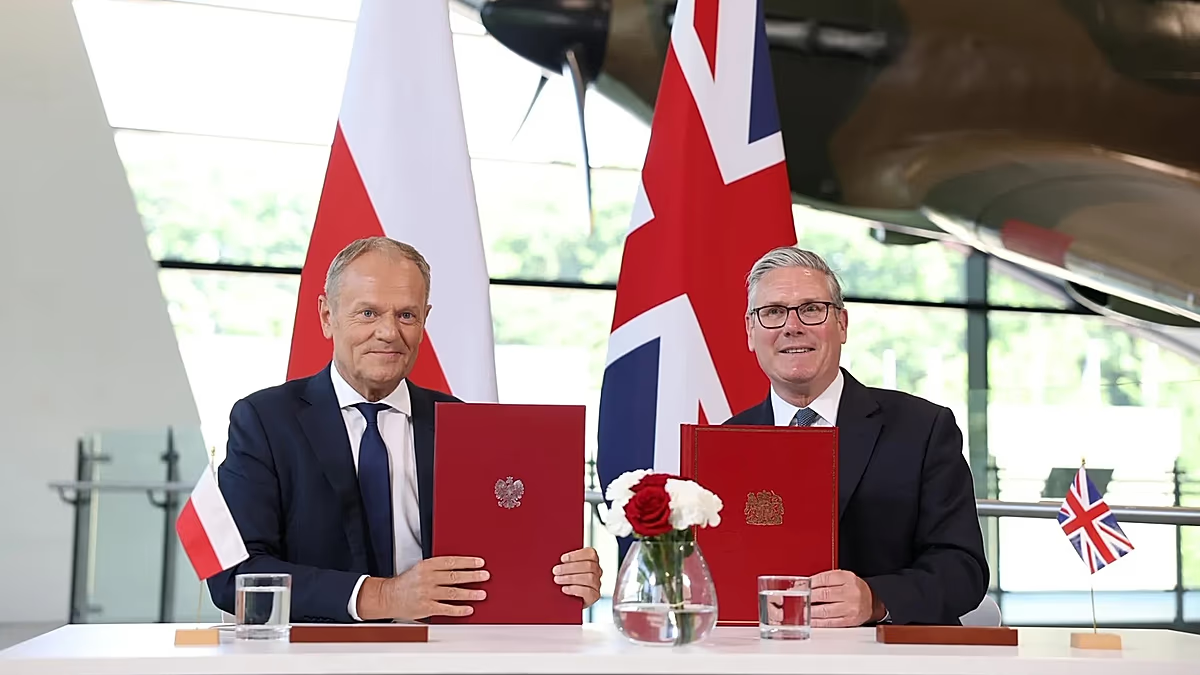
In a significant move to rebuild Britain’s strategic ties with Europe, Prime Minister Keir Starmer and Polish Prime Minister Donald Tusk met in London to sign a comprehensive new defence and security treaty. This agreement, described as “major,” aims to fortify British borders, combat organised crime, enhance collective defence capabilities, and deepen cooperation with the European Union. The pact represents a deliberate step in Starmer’s ongoing strategy to mend relations with the bloc following the UK’s divisive departure in 2016. By aligning closely with a key Central European ally, the UK signals a commitment to a more integrated European security architecture, a priority underscored by similar recent treaties with Germany and France. The ceremonial signing was captured in a video shared online by Polish Deputy Defence Minister Cezary Tomczyk, who poignantly remarked, “History is unfolding before our eyes,” highlighting the moment’s geopolitical weight.
The substance of the treaty addresses the urgent security challenges facing the continent. According to details released by Polish officials, the agreement contains clear and specific provisions for military assistance in the event of a threat, facilitates the transfer of critical defence technology, and establishes frameworks for enhanced cooperation on cybersecurity. Crucially, it formally identifies Russia as the greatest threat to European security, a unambiguous declaration that solidifies a shared strategic outlook between London and Warsaw. This alignment is particularly resonant given Poland’s frontline position and its massive investment in defence modernization. For the UK, the treaty is a tangible demonstration of its “Global Britain” vision post-Brexit, one that seeks influence not in isolation but through reinforced bilateral partnerships within Europe.
This diplomatic push occurs against a backdrop of considerable domestic pressure for Prime Minister Starmer. Recent local election results were calamitous for his Labour Party, sparking internal dissent and public calls for his leadership. Within his own ranks, figures have begun jostling for position in anticipation of a potential contest. Yet, in the aftermath of these electoral setbacks, Starmer has struck a defiant tone, vowing to “face up to the big challenges” and restore national hope. The signing of this pivotal treaty with Poland can be seen as part of that effort—an attempt to project stability, strategic purpose, and competent statecraft on the world stage, even while navigating turbulent political waters at home.
The treaty’s focus on European cooperation has inevitably reignited the fraught national debate over Brexit. The UK’s future relationship with the EU has become a hot topic once more within political circles. Prominent Labour figures like former health secretary Wes Streeting have openly labelled the 2016 decision to leave the European Union a “catastrophic mistake,” arguing it has left Britain “less wealthy, less powerful and less in control.” Streeting has boldly advocated for a new special relationship with the EU, with the ultimate goal of one day rejoining the bloc. Such statements reflect a growing willingness within parts of the Labour party to critically reassess the long-term consequences of Brexit, moving beyond mere technical negotiations to a broader debate about national destiny.
This perspective is fiercely contested by the opposition. Kemi Badenoch, leader of the Conservative Party, has criticized calls for closer EU reintegration as a sign of a Labour party devoid of its own plans for the country. She frames the desire to revisit the Brexit settlement as a backward-looking impulse, accusing Labour of wanting to “refight wars which were settled a long time ago.” This exchange underscores the deep and enduring political fault line that Brexit created. For the Conservatives, the referendum result remains a settled matter of democratic principle, while for a significant faction within Labour, it is an ongoing economic and strategic vulnerability that must be managed and, potentially, reversed in the future.
Ultimately, the UK-Poland defence treaty is more than a technical accord; it is a symbol of geopolitical realignment and domestic political calculation. For Starmer, it serves the dual purpose of strengthening European security against Russian aggression while demonstrating proactive leadership during a period of internal party strife. It reflects a pragmatic foreign policy path that seeks to maximize British influence in Europe despite the formalities of Brexit. However, the very act of deepening such ties ensures that the fundamental question of Britain’s European identity will continue to simmer on the political stage, caught between the vision of a globally oriented Britain built on strong European partnerships and the unresolved legacy of a decision that sought a very different path. The unfolding history, as Tomczyk noted, is being written not just in treaty texts, but in the enduring tension between these two visions for the United Kingdom.