

Europe’s aspiration to be a decisive player in its own security, rather than a passive recipient of decisions made elsewhere, necessitates a proactive and robust peace plan for Ukraine. This plan must transcend mere diplomatic appeals and incorporate substantial military and financial commitments, forming a credible counterpoint to any potential peace deal brokered by external actors, particularly one that might compromise Ukrainian or broader European interests.
The current prospects for a lasting peace agreement are tenuous, primarily due to Russia’s ongoing military advances. As long as Moscow perceives a viable path to achieving its objectives through force, it has little incentive to engage in good-faith negotiations that respect Ukraine’s sovereignty and territorial integrity. Any premature peace deal under these circumstances risks legitimizing Russia’s territorial gains and potentially transforming Ukraine into a dependent state, mirroring the status of Belarus, thereby exacerbating the security concerns of neighboring European nations.
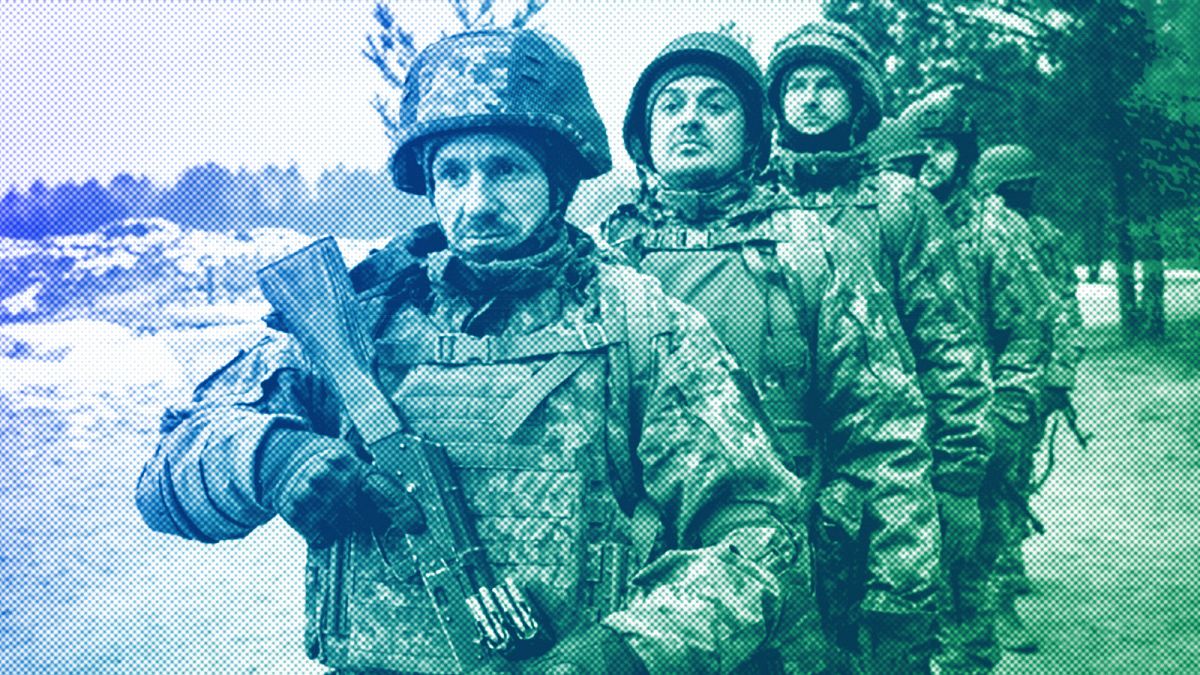
A viable path to peace requires a multi-pronged approach, with Europe taking the lead in orchestrating key steps. The first priority is halting Russia’s military progress. This requires a significant increase in military aid to Ukraine, surpassing current levels, to enable Ukrainian forces to effectively repel Russian offensives. Equally crucial is a long-term commitment to supporting Ukraine’s defense capabilities, signaling to Moscow the futility of any future aggression after a potential adaptation to Ukraine’s enhanced military strength. This commitment must be formalized through binding, long-term contracts with European and Ukrainian defense industries to ensure a consistent supply of essential military equipment and a dedicated, long-term financial framework for aid that transcends the short-term fluctuations of European political cycles.
The second pivotal element is a robust financial commitment. Europe should establish a dedicated European Peace Fund, mirroring the scale and ambition of the post-COVID recovery fund. This fund should leverage existing resources, including cohesion funds, NextGenEU, and the capacities of development banks, potentially supplemented by new loans. A substantial portion of this fund, perhaps 20%, should be allocated specifically to bolstering Ukraine’s defense capabilities, with provisions for long-term repayment over decades, akin to the US Lend-Lease program during World War II. This would provide Ukraine with the necessary financial resources to rebuild and strengthen its defense infrastructure.
The third critical element is establishing credible security guarantees to prevent future large-scale attacks on Ukraine. While NATO membership remains the most robust guarantee, the lengthy ratification process necessitates interim security measures. Given the eroded trust in paper guarantees following the failure of the Budapest Memorandum, more tangible deterrents are essential. A sustained military presence in Ukraine, similar to the NATO enhanced Forward Presence, would provide a more credible deterrent against future Russian aggression. This presence, however, should be autonomous and not tied to peacekeeping mandates susceptible to manipulation by Russia, learning from the limitations of UNIFIL in Lebanon and OSCE missions in Ukraine and Georgia. This requires a frank discussion within Europe about deploying troops in Ukraine, not as peacekeepers bound by restrictive mandates, but as a demonstrable commitment to Ukraine’s security.
While this comprehensive package of arms, financial support, long-term loans, and a military presence represents a significant undertaking for Europe, it is essential for achieving a meaningful and lasting peace. This level of commitment is crucial not only for ensuring Ukraine’s security but also for Europe’s own strategic interests. By demonstrating its resolve and capacity to act decisively, Europe can claim a seat at the negotiating table, shaping the terms of any peace agreement and preventing a future dominated by recurrent conflict. A passive approach, relying on external actors to define the future of European security, risks a settlement that merely sets the stage for future Russian aggression, perpetuating instability in the region.
This European Peace Plan, backed by the combined force of diplomacy, military strength, and financial power, is not merely a response to the current crisis; it is a proactive investment in long-term European security. By shouldering this responsibility, Europe can transition from being a subject of security decisions to an active architect of a stable and peaceful European order. This requires political courage and a willingness to commit substantial resources, but the alternative – a fragmented and insecure Europe perpetually vulnerable to external pressures – is far more costly in the long run. This is an opportunity for Europe to define its own security future, demonstrating its commitment to peace and stability not just through words, but through decisive action.