


Of course. Here is a humanized summary of the event, crafted into six distinct paragraphs.
The Final Disembarkation: A Cruise Ends in Isolation
The long, anxious ordeal for the passengers and crew of the MV Hondius reached a quiet, procedural conclusion on a Monday in Tenerife. The last remaining individuals aboard the cruise ship, which had become the center of a global health scare due to a hantavirus outbreak, finally stepped onto solid ground. This marked the end of a complex and somber evacuation operation, transforming the ship from a floating vacation vessel into a site of medical intervention and logistical coordination. The port, typically a hub of tourist excitement, was instead a stage for a carefully managed departure, signaling the beginning of a new phase—one not of travel, but of mandated recovery and separation for all involved.
A Scene of Controlled Departure
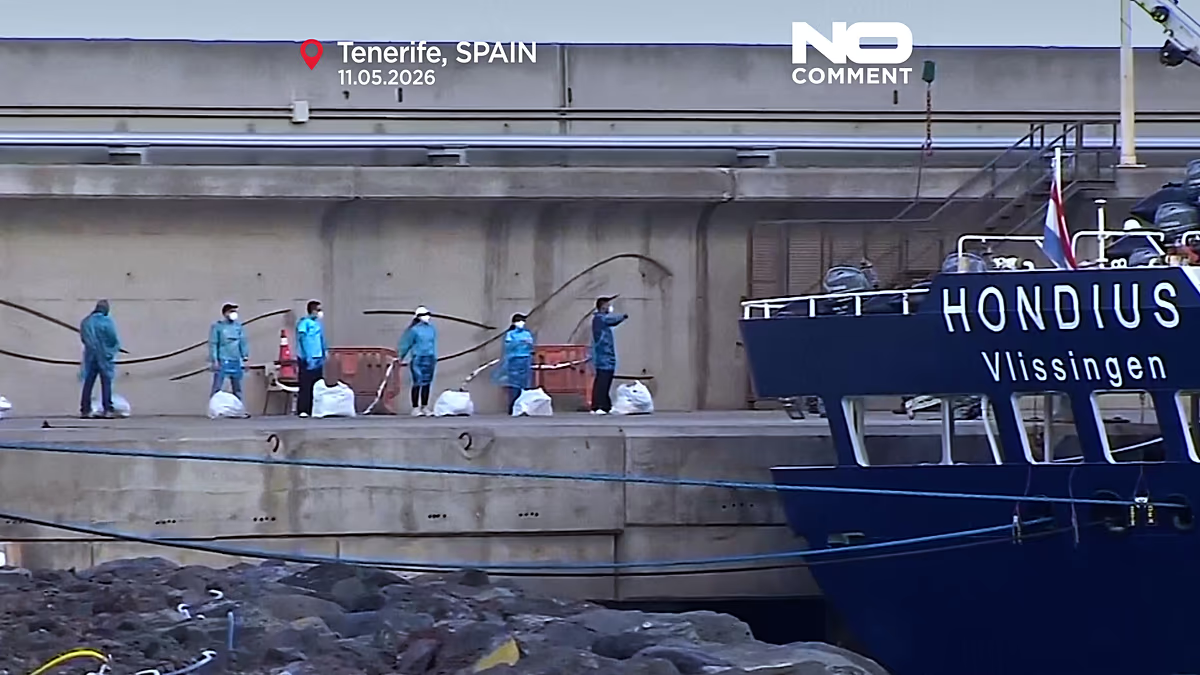
The imagery of the disembarkation was starkly different from the joyful chaos of a typical cruise holiday. Footage from the scene showed passengers, now dressed not in resort wear but in face masks and various forms of protective clothing, filing off the gangway. They carried their personal belongings, souvenirs of a trip irrevocably altered. They were escorted not to tour buses, but to coaches destined for the airport, under the watchful eyes of a small army of medical staff and emergency personnel. The presence of Guardia Civil boats patrolling the waters around the vessel underscored the seriousness with which authorities were treating the situation, ensuring the isolation of the ship was maintained until the very last moment.
A Global Dispersal into Quarantine
The conclusion of the ship’s journey was merely the starting point for a sprawling, international effort in public health management. Authorities confirmed that the disembarking passengers were bound for more than twenty different countries across the globe. This meant that the logistical challenge was immense, requiring coordination with airlines and health officials worldwide to ensure each traveler could return home safely to begin a government-mandated period of quarantine. The community that had formed aboard the ship was now fracturing, its members dispersing to corners of the world, all carrying with them the shared experience of the outbreak and the uncertainty of the days ahead, united only by the common requirement to isolate.
The Human Toll of the Outbreak
Amidst the clinical reports of operations and quarantines lay a profound human tragedy. According to the World Health Organization, the outbreak claimed the lives of three passengers, a devastating reminder of the potential severity of the hantavirus. Furthermore, several other individuals remained under close medical monitoring, grappling with confirmed or suspected cases. These were not just statistics; they were fathers, mothers, friends, and partners whose dream vacation had turned into a fight for health. Their stories cast a long shadow over the entire event, reminding everyone that behind the headlines about logistics and evacuations were real people experiencing fear, loss, and illness far from home.
From Luxury Liner to Floating Quarantine Zone
The transformation of the MV Hondius itself tells a story of modern crisis management. What began as a luxury liner offering adventure and relaxation swiftly became a floating quarantine zone—a necessary measure to contain the virus and prevent wider community spread in the ports it visited. This shift represents the difficult balance health officials must strike: protecting the broader public while managing the welfare of those directly affected. The ship’s escorted journey and controlled disembarkation protocol became a case study in managing such a crisis in a confined, mobile environment, lessons that will undoubtedly inform future responses to similar emergencies in the travel industry.
A Lingering Aftermath and Unanswered Questions
As the buses pulled away and the port of Tenerife returned to its normal rhythms, the incident left a cascade of questions in its wake. For the passengers, the physical journey was over, but a psychological one was just beginning, marked by quarantine, health monitoring, and processing a traumatic experience. For the cruise line and health authorities, investigations into the source of the outbreak and the efficacy of the response would now commence. For the global community, it served as another sobering example of how quickly a public health threat can emerge from unexpected places, crossing borders as effortlessly as the ships and planes that connect our world, and testing our systems of readiness and compassion.