


The Underground Refuge: Kyiv’s Night of Terror and Resilience
In the early hours of a Tuesday that began in darkness, the residents of Kyiv were once again forced to flee their beds for the cold, echoing depths of the city’s metro stations. The familiar, chilling wail of air raid sirens pierced the night, sending families scrambling for safety. Below ground, subway platforms transformed into makeshift shelters—a haunting tableau of wartime endurance. Videos captured the scene: parents huddled with children, individuals wrapped in blankets, and the quiet, weary determination on faces illuminated by the harsh fluorescent lights. Each person carried bags containing their most essential possessions—documents, medicines, a change of clothes—a practiced routine born of repeated terror. This underground world, once a symbol of daily commute, stood as a stark testament to the relentless reality of life under bombardment, where the simple act of a night’s sleep is a luxury shattered by the threat from the skies.
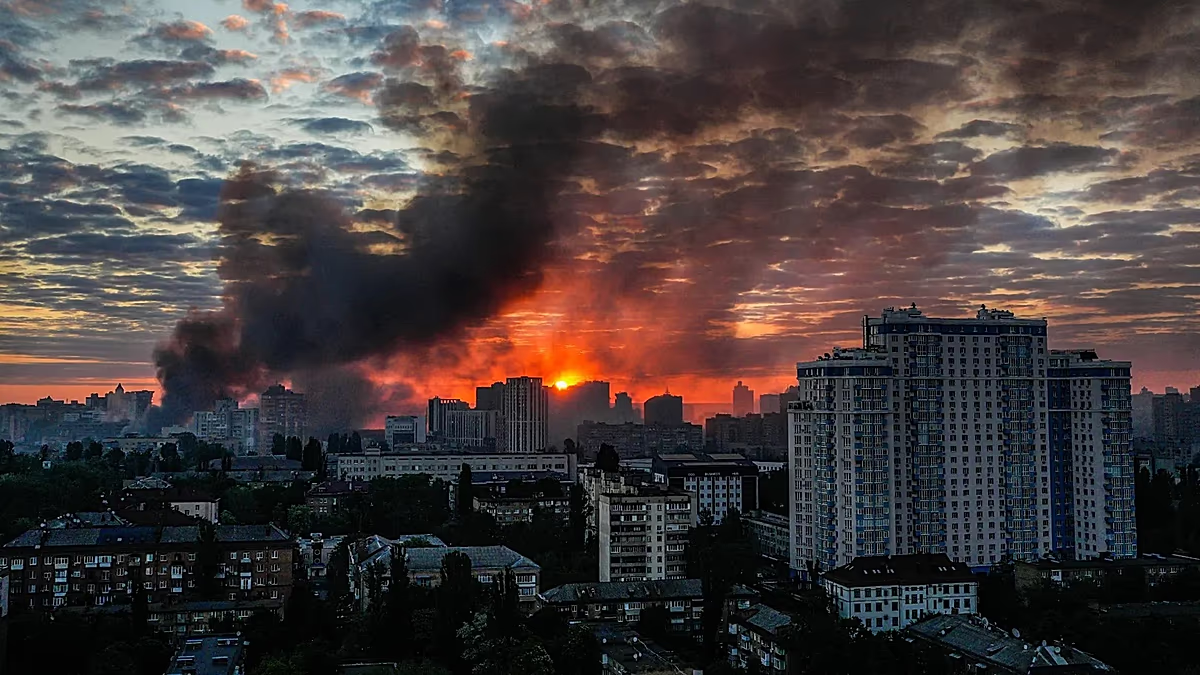
Above ground, the night erupted in violence. The silence between sirens was broken by the thunderous roar of multiple explosions, shaking the very foundations of the city. Local officials confirmed that Russia had launched a complex attack, employing ballistic missiles alongside drones in a relentless assault. In response, the night sky was cut with the fiery trails of activated air defense systems, a dazzling and terrifying display of technology clashing in the darkness. While these defenses intercepted many threats, the devastation that reached the ground was severe. The attacks ignited fires in several districts, casting an ominous glow over the cityscape, and caused widespread power outages, plunging entire neighborhoods into a darkness that compounded the fear and chaos.
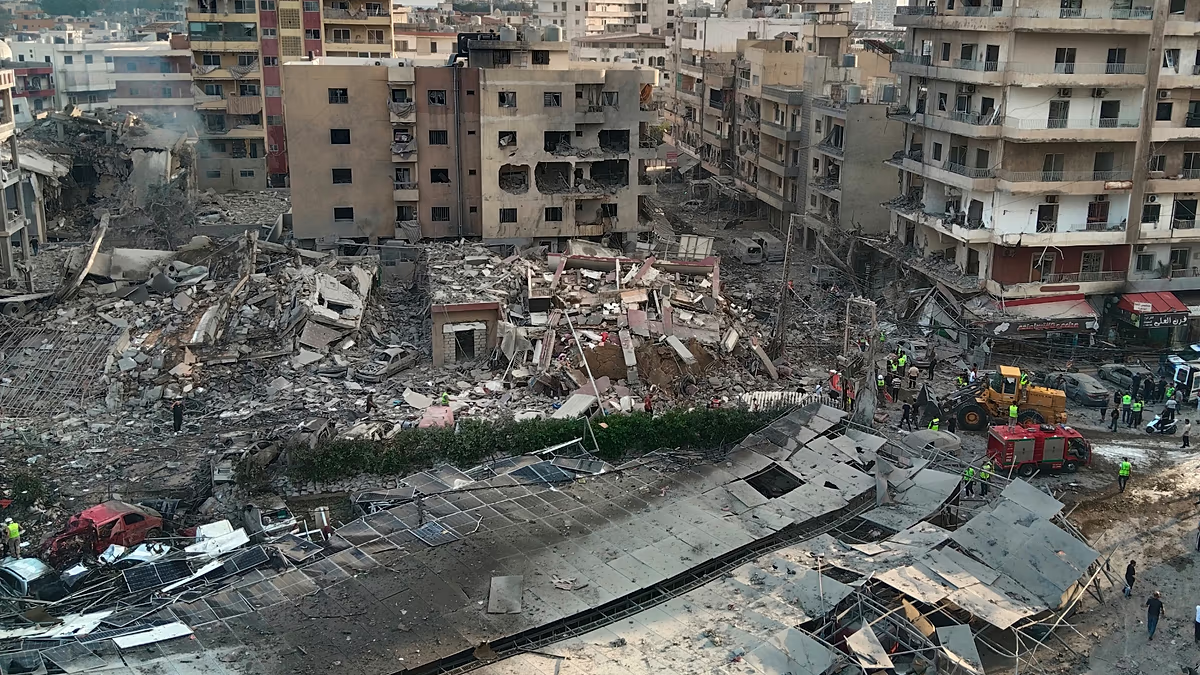
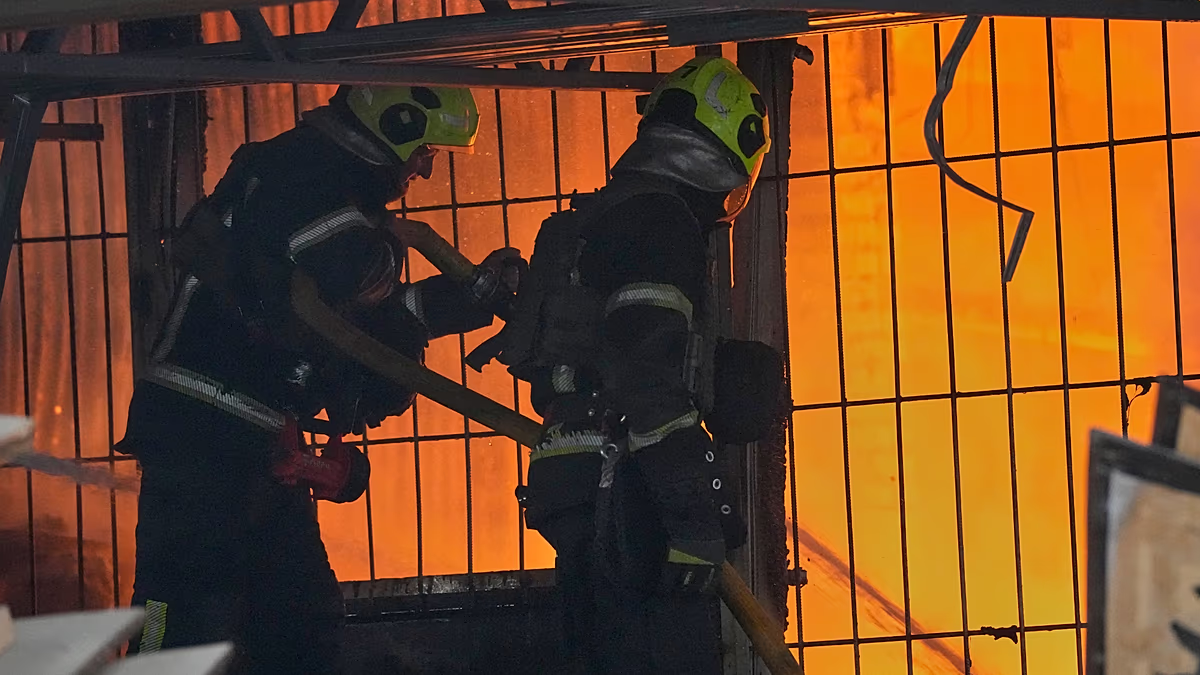
As dawn broke, it revealed a city scarred. Separate footage from after the strikes laid bare the brutal aftermath: residential buildings with facades sheared off, leaving homes grotesquely exposed; streets littered with glittering shards of shattered windows; and vehicles reduced to burned-out skeletons. Firefighters battled stubborn blazes, their figures silhouetted against the flames, working tirelessly through the night and into the morning to contain the destruction. Amid the debris, poignant images of personal loss emerged—an elderly woman, wrapped in a thermal blanket for warmth and comfort, stood silently near the wreckage of what was likely her home, her gaze reflecting a profound, weary sorrow. Emergency crews, the unwavering guardians of the city, navigated the hazardous ruins, searching for survivors and stabilizing the wounded.
The human cost of the night was crystallized in the sobering update from Mayor Vitali Klitschko, who reported that at least fourteen people were wounded in the capital. These are not abstract statistics; they are mothers, fathers, workers, and students—individuals whose lives were violently disrupted by shrapnel, blast waves, and collapsing structures. Each number represents a story of sudden pain, a rush to emergency rooms already strained by nearly two years of conflict, and families now facing the long road of recovery. This toll, announced with grim regularity by officials, underscores the ever-present danger that stalks civilians, regardless of the hour, in a war where frontline and home front are tragically indistinguishable.
This attack is not an isolated event but a brutal chapter in a deliberate strategy to break the spirit of a nation. Striking the capital, the heart of Ukraine’s political and cultural life, with such force during the vulnerable early morning hours, is a psychological weapon intended to spread terror and exhaustion. The targeting of infrastructure, leading to power outages, is a tactic to deprive people of heat, light, and communication in the depths of winter, compounding the humanitarian crisis. Yet, within this calculated cruelty, the response of Kyiv’s people tells a different story. The orderly descent into the metro stations, the community support in the shelters, and the immediate, heroic work of first responders illustrate a profound, unyielding resilience.
Ultimately, the scenes from Kyiv—the sheltering families underground and the smoldering ruins above—form a powerful diptych of modern urban warfare. They capture the dual reality of a populace that has adapted to survive unimaginable circumstances while refusing to be cowed. The metro stations, filled with quiet resolve, are as much a symbol of Ukrainian defiance as the damaged buildings are of Russian aggression. As the world witnesses these repeated attacks, the narrative extends beyond the immediate military context to a fundamental story of human tenacity. The people of Kyiv, and of Ukraine, continue to endure, protecting their lives in the subterranean depths while steadfastly guarding their hope for a future when the only sound in the morning will be the start of a peaceful day.