


Paragraph 1: A Gathering of Concern
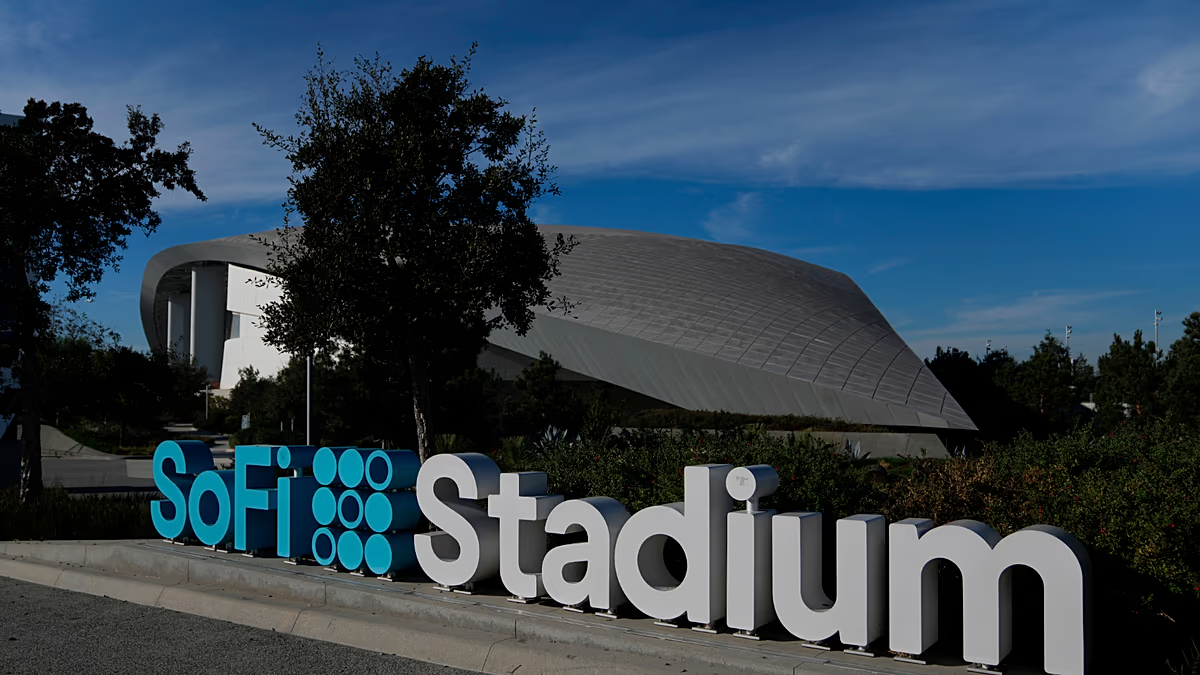
Outside the gleaming, futuristic facade of SoFi Stadium in Los Angeles, a scene of profound human concern unfolded this past Monday. Dozens of stadium workers, hospitality staff, and their allies gathered not in celebration, but in urgent protest. Their demand was specific and deeply felt: they called upon U.S. immigration authorities, specifically Immigration and Customs Enforcement (ICE), to commit to staying away from the venues and events of the upcoming 2026 FIFA World Cup. This demonstration, set against the backdrop of a stadium built for global spectacle, highlighted a stark tension between the promise of an international festival of sport and the fears of the local workforce tasked with making it a reality. The protestors’ presence turned the area from a site of future athletic glory into a forum for a pressing civil rights issue.
Paragraph 2: Voices of Fear and the Specter of Surveillance
The core of the workers’ anxiety stems from the tournament’s essential accreditation process. To work at the World Cup, every employee, vendor, and volunteer must undergo a background check, providing detailed personal information to secure their credentials. For many workers—particularly those in immigrant communities who are the backbone of Los Angeles’s service industry—this standard procedure feels fraught with peril. They fear that this sensitive data, collected under the guise of security for a sporting event, could be shared with or accessed by ICE. This isn’t an abstract worry but a visceral fear of surveillance and potential separation from families, upending lives built over years of hard work. The very process meant to ensure safety for the event is seen by these workers as a potential tool for their own targeting, casting a long shadow over what should be a straightforward job opportunity.
Paragraph 3: A Visual and Vocal Demand for Dignity
The protest was a powerful display of this collective fear transforming into public action. Images from the day showed determined individuals holding signs with clear, forceful messages like “Kick ICE Out,” directly linking their cause to the language of the beautiful game itself. Their chants filled the air, a rhythmic demand for dignity and protection as they marched toward the stadium. This march was purposeful; it preceded a scheduled meeting with representatives from FIFA, soccer’s global governing body. The workers aimed to bring their plight directly to the institution profiting from the tournament, insisting that the responsibility for their safety extends beyond their direct employers to the very organizers of the World Cup. Their peaceful assembly was a plea for the sport’s authorities to acknowledge and intervene in a domestic policy issue affecting their workforce.
Paragraph 4: The Stakes: Job Security Versus Personal Security
The implications of this standoff are significant, reaching far beyond a single protest. Some workers have explicitly warned that if firm, transparent guarantees against ICE involvement are not provided before the tournament begins, they are prepared to strike. Such action could disrupt the seamless operation of World Cup matches, affecting everything from concession stands to security lines and venue preparation. This potential strike threat underscores a fundamental conflict: for these workers, job security is inextricably linked to personal and familial security. They are forced to weigh their economic livelihood against the risk of deportation, an impossible choice no one should have to make. Their stance frames the World Cup not just as a source of employment, but as a potential catalyst for personal crisis, raising urgent ethical questions for organizers.
Paragraph 5: Amplified by Political Solidarity
The demonstration gained notable visibility with the presence of California gubernatorial candidate Tom Steyer, who joined the protesters in solidarity. His participation amplified the workers’ message, signaling that their concerns resonate within broader political discourse about immigration and workers’ rights. It transformed the gathering from a localized labor issue into a moment with state-level political significance, highlighting how the policies surrounding a global event intersect with local and state governance. This support suggests a growing recognition that hosting a mega-event like the World Cup carries a moral obligation to protect the most vulnerable members of the community that hosts it, challenging authorities at all levels to provide clear and humane assurances.
Paragraph 6: The Human Cost Behind the Global Festival
Ultimately, this protest at SoFi Stadium is a human story layered over a sporting one. It is about parents, neighbors, and essential workers who simply want to contribute to a historic moment in their city without living in fear. The 2026 World Cup promises unity, excitement, and cultural exchange on a global scale. Yet, for the people preparing the stadiums and serving the fans, that promise feels hollow if it comes at the potential cost of their own stability. Their appeal is for a basic guarantee of safety—to allow them to take part in creating joy for millions without the looming threat of having their own lives upended. As the world’s eyes turn to Los Angeles for the beautiful game, this demonstration serves as a crucial reminder that the true success of the tournament will be measured not only in goals scored but in the dignity and security afforded to every person who helps make the spectacle possible.