



German Federal Elections: Greens and CSU Launch Campaigns with Contrasting Visions
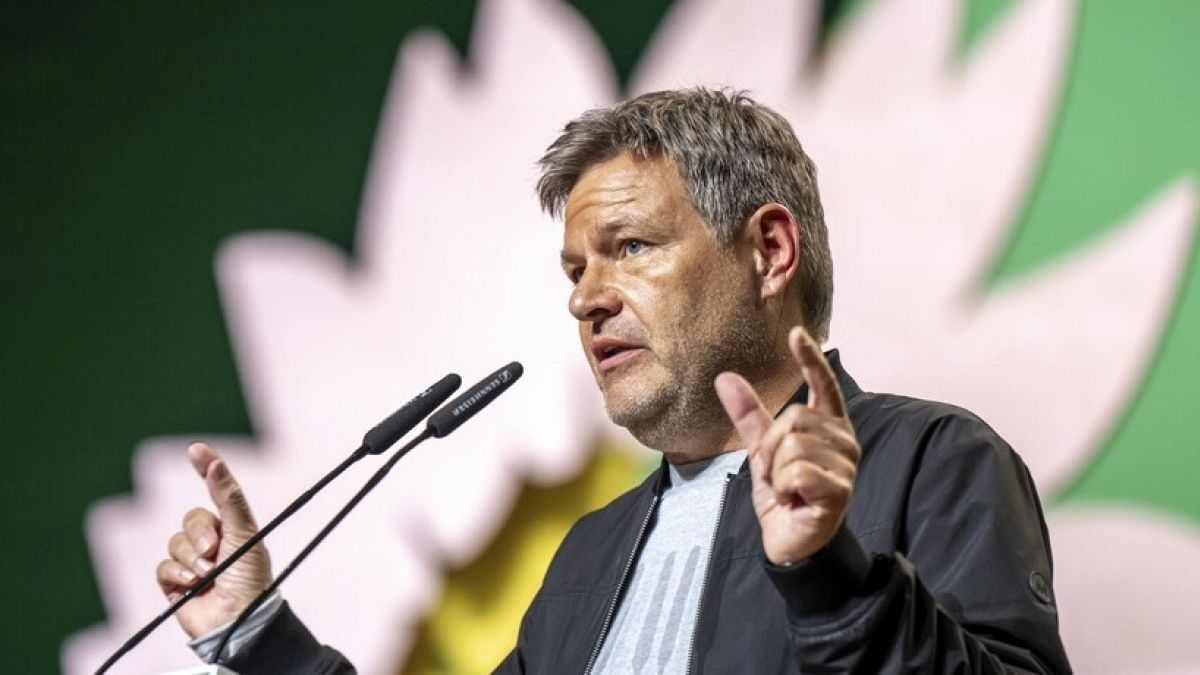
Germany’s upcoming federal elections, scheduled for February 23rd, have witnessed the launch of campaigns by major political parties, each presenting distinct visions for the country’s future. The Green Party, led by Chancellor candidate Robert Habeck, kicked off their campaign with a rally in Lübeck, attracting double the expected attendance. Habeck’s message centered on addressing the anxieties gripping the nation, particularly concerning job security and social welfare. He criticized previous governments under the Christian Democratic Union (CDU) and Christian Social Union (CSU) for creating "investment gaps" in crucial sectors like education, infrastructure, and transportation, arguing these long-standing issues predate the current coalition government. Habeck positioned the Greens as the party equipped to tackle these challenges, promising "answers as big as the problems themselves." He also targeted the current frontrunner, the Union (CDU/CSU), accusing them of offering simplistic solutions and lacking concrete plans to address complex issues like migration. The Greens emphasized their focus on everyday concerns like rising rents, proposing rent caps and tax incentives for investments to make "normal life affordable again."
Meanwhile, the CSU, the Bavarian sister party of the CDU, held its winter retreat at Seeon Monastery, setting a starkly different tone. Party chairman Markus Söder prioritized economic stability, stricter asylum policies, and increased investment in technology and defense. Söder painted a bleak picture of the German economy, citing rising bankruptcies, unemployment, and dwindling investments, warning that "when prosperity wobbles, democracy wobbles, too." He criticized the current government’s "traffic light coalition" (SPD, FDP, and Greens) for its perceived ineffectiveness, particularly regarding energy policy, advocating for nuclear energy over what he termed "experiments" like the heating law. The CSU’s campaign emphasizes a tough stance on migration, proposing harsher punishments for migrant offenders, including lengthy prison terms or deportation, and linking migrant legal status to employment and income. Söder explicitly ruled out a coalition with the Greens, criticizing their competence to govern and warning that such an alliance would drive voters towards the far-right Alternative for Germany (AfD).
The contrasting campaign approaches reflect the diverging priorities and ideologies of the two parties. The Greens focus on social justice, environmental protection, and addressing economic anxieties through targeted investments and regulations, while the CSU prioritizes economic growth through traditional means, stricter immigration policies, and bolstering national security. These differences highlight the key issues likely to dominate the election campaign and shape the composition of the next government.
Habeck’s strategy hinges on positioning the Greens as the party of solutions, contrasting their pragmatic approach with what he portrays as the Union’s empty rhetoric. He aims to convince voters that the Greens are best equipped to navigate the complex challenges facing Germany, from economic instability to social anxieties and migration. He directly addresses voter concerns, emphasizing the Greens’ commitment to making everyday life more affordable and secure. This targeted approach seeks to broaden the party’s appeal beyond its traditional environmental base.
Söder, on the other hand, appeals to a different segment of the electorate, those prioritizing economic stability and a firm stance on immigration. His message resonates with voters concerned about the current economic climate and perceived threats to national identity. By painting a stark picture of economic decline and emphasizing the need for a "change of direction," Söder aims to position the CSU as the party of competence and stability. His tough stance on migration further differentiates the CSU from the Greens, appealing to voters who favor stricter border controls and a more conservative approach to social issues.
The stark contrast between the Greens’ and CSU’s campaign platforms sets the stage for a highly contested election. The Greens’ focus on social justice and environmental protection appeals to a growing segment of the electorate, while the CSU’s emphasis on economic stability and national security resonates with more conservative voters. The outcome of the election will depend on which party can effectively mobilize its base and persuade undecided voters that their vision offers the best path forward for Germany.
The diverging strategies also reflect the broader political landscape in Germany. The rise of populism and the increasing polarization of public opinion have created a more fragmented political environment. Parties are forced to compete for increasingly narrow segments of the electorate, leading to more targeted and often divisive campaign messages. The upcoming election will be a crucial test of whether the traditional political center can hold or whether the country will continue to move towards a more fragmented and polarized political landscape. The inclusion of CDU chancellor candidate Friedrich Merz in the CSU’s winter retreat underscores the importance of the Union presenting a united front despite internal differences. The CSU’s explicit rejection of a coalition with the Greens, while the CDU remains open to the possibility, highlights the delicate balancing act the Union must maintain to appeal to both its conservative base and more moderate voters. The success of this strategy will be crucial in determining the Union’s ability to regain power and shape the future direction of German politics.