

Germany’s Political and Economic Crossroads: A Deep Dive into the Impending Snap Elections
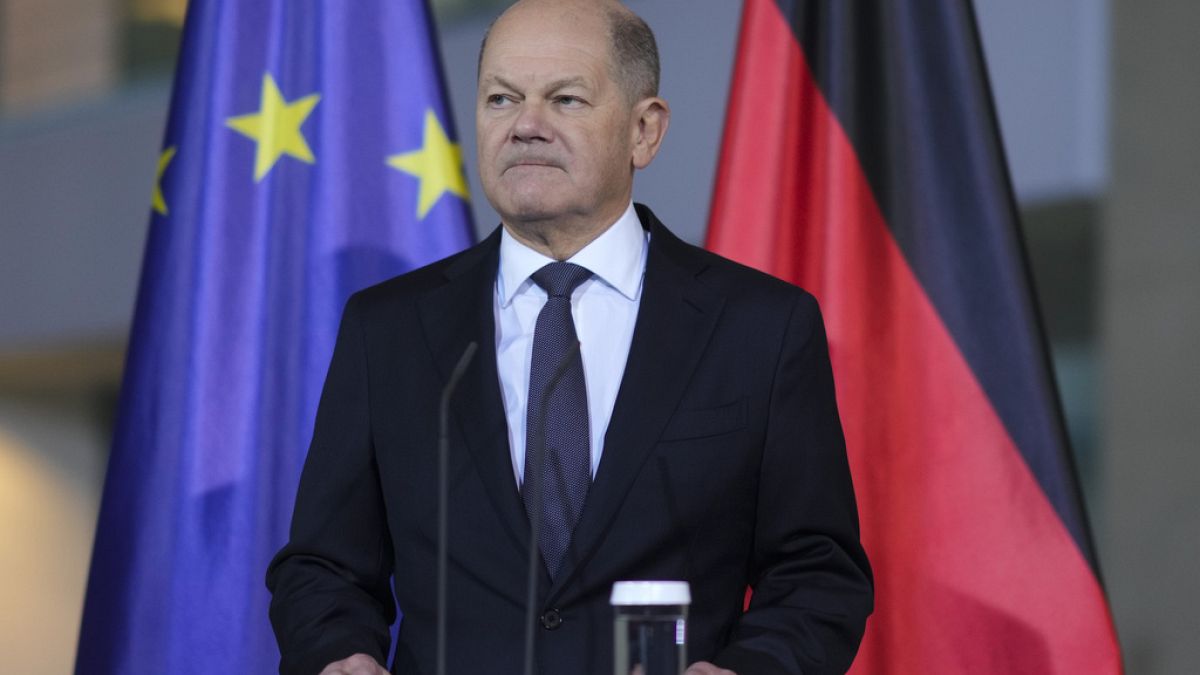
German Chancellor Olaf Scholz’s call for a vote of confidence, a rare occurrence in modern German politics, has set the stage for snap elections, likely in February 2023. This dramatic turn of events stems from the collapse of the ruling coalition government, triggered by Scholz’s dismissal of Finance Minister Christian Lindner, a member of the Liberal Democratic Party (FDP). The FDP’s pre-planned departure from the coalition, seemingly aimed at regaining popularity ahead of elections, has backfired, leaving them struggling to retain the minimum 5% of votes required for parliamentary representation. The upcoming elections take place against a backdrop of economic stagnation and social anxieties, creating a complex and volatile political landscape.
The fallout from the coalition’s collapse has created both winners and losers. While the FDP faces an uphill battle for political survival, the Social Democrats (SPD) and the Greens appear to be benefiting from the current situation. Chancellor Scholz, now freed from the constraints of coalition politics, can more forcefully pursue his agenda, including a potential reassessment of Germany’s stance on the war in Ukraine. The economic crisis and its potential solutions, including reforming the "debt brake," provide another opportunity for the SPD to differentiate itself from the more hesitant Christian Democratic Union (CDU) and the internally divided Greens. Furthermore, the SPD can now address social issues like affordable housing without FDP opposition.
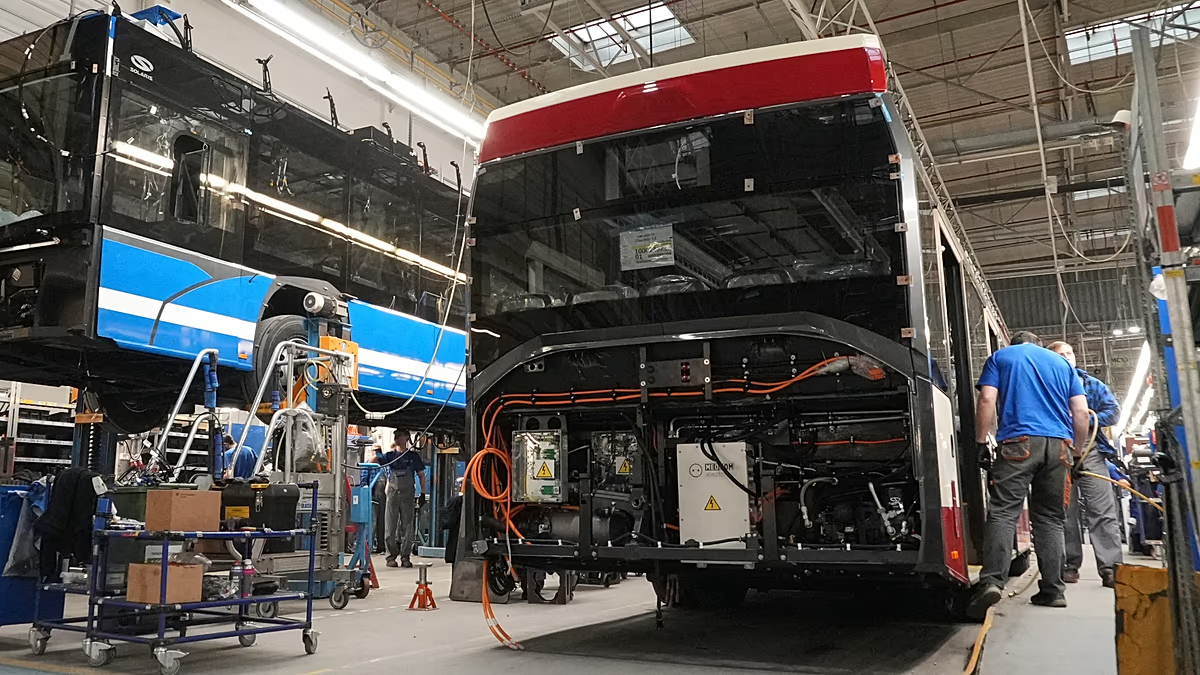
These snap elections carry significant weight for Germany’s future, particularly its economic health. The nation faces stagnation, with major corporations like Volkswagen, ThyssenKrupp, and Bosch announcing significant job cuts. The shift of key markets, including electric vehicles, towards Asia adds to the economic pressure. This precarious economic situation demands decisive action, but the looming elections complicate the implementation of effective policies. Political parties face immense pressure to address critical issues before the elections, including mitigating the impact of "cold progression" (a tax phenomenon), implementing rent controls, and securing funding for Ukraine aid, including the controversial Taurus missile system.
The interplay between the economic challenges and political maneuvering adds another layer of complexity. While the SPD and Greens no longer hold a majority, they are collaborating with the leading CDU on crucial economic and social decisions. The CDU, however, is caught in a delicate balancing act. Inaction risks appearing indifferent to pressing social and economic concerns, alienating voters. Conversely, missteps could erode public trust. This delicate situation necessitates compromise and careful navigation of the political terrain.
Predicting the election outcome remains challenging given the volatile political climate. Two scenarios appear most likely: a CDU-Green coalition or a CDU-SPD partnership. While the SPD hopes to match the CDU’s projected vote share, this seems unlikely at present. Regardless of the eventual coalition, the emphasis will be on stability, a stark contrast to the recent turbulence. The pressure to form a functional, socially responsive, and peace-oriented government is immense. This urgency will undoubtedly influence voters, a significant portion of whom remain undecided.
The election’s outcome hinges on three core issues: managing the economic crisis, ensuring social equity, and navigating the complexities of war and peace. The economic crisis encompasses not only the immediate challenges of stagnation and job losses but also the long-term implications for Germany’s industrial competitiveness in a rapidly changing global landscape. The debate over the "debt brake" and its potential reform will be central to this discussion. Social equity encompasses issues like affordable housing, fair taxation, and support for vulnerable populations. The rent control debate and the mitigation of "cold progression" are key battlegrounds in this arena. Finally, the ongoing war in Ukraine and Germany’s role in the conflict will play a crucial role. Public opinion on continued support for Ukraine, including the provision of weaponry like the Taurus missile system, is divided, and this issue will undoubtedly influence voter choices.
The political parties are acutely aware of these interconnected challenges and are vying for public support by presenting their proposed solutions. The CDU’s current lead in the polls places them in a strong position, but their ability to maintain this lead depends on their ability to navigate the complex political landscape effectively. The SPD and Greens, despite their weakened position, are still influential forces and will seek to leverage their strengths to shape the election outcome. The FDP, facing the existential threat of falling below the 5% threshold, will likely adopt a more aggressive campaign strategy to ensure its survival.
The uncertainty surrounding the election outcome underscores the importance of the upcoming campaign period. The parties will have to articulate their visions for Germany’s future, addressing the complex economic, social, and geopolitical challenges. The public debates and political maneuvering over the next few months will be crucial in shaping public opinion and determining the composition of the next government. The stakes are high, and the outcome of these elections will profoundly impact Germany’s trajectory in the years to come. The interplay between domestic economic concerns and the international context, particularly the war in Ukraine, adds further complexity to this already volatile situation.
The current political instability, while unsettling, presents an opportunity for a renewed focus on Germany’s long-term challenges. The next government, regardless of its composition, will need to address the structural weaknesses in the German economy, promote innovation and competitiveness, and ensure social cohesion in the face of rapid change. The election campaign provides a platform for these critical issues to be debated and for the parties to present their visions for a stronger and more resilient Germany. The outcome will not only determine the political leadership but also shape the direction of the country for the foreseeable future. The German public, therefore, holds a significant responsibility in shaping this future through their participation in the democratic process.
The next few months will be a period of intense political activity, with each party striving to convince the electorate of its ability to navigate the complex challenges facing the nation. The economic situation, with its potential for both crisis and opportunity, will be a central theme. The social dimension, encompassing issues of fairness, equality, and social security, will also be a key battleground. Finally, Germany’s role in the world, particularly its response to the war in Ukraine and its relationship with its European partners, will be a critical factor influencing voter choices. The combination of these interconnected challenges creates a unique and unpredictable electoral landscape, with the potential for significant shifts in the political balance of power.
The snap elections represent not just a change in government but a potential turning point for Germany. The outcome will determine the country’s approach to managing its economic challenges, addressing social inequalities, and navigating the complex geopolitical landscape. The German electorate has a vital role to play in shaping this future. Their choices will determine the direction of the country and its ability to thrive in a rapidly changing world. The stakes are high, and the outcome of these elections will have profound and lasting consequences for Germany and its place on the global stage.