

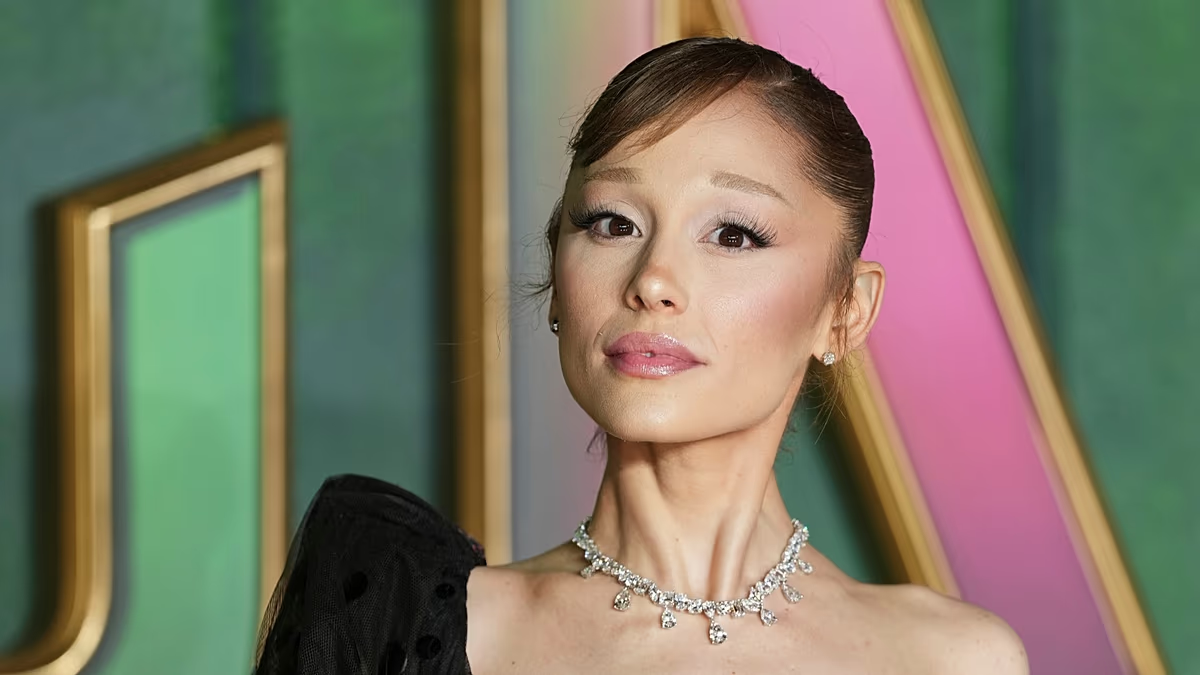
A significant controversy has erupted at the intersection of pop culture and politics, as singer and actress Ariana Grande became the latest high-profile artist to publicly condemn the White House for using her music without permission. The incident, which occurred in June 2026, centered on a TikTok video posted by the administration of then-President Donald Trump. The video, showcasing arrests conducted by Immigration and Customs Enforcement (ICE), was set to the soundtrack of Grande’s hit song “bye.” In a caption that starkly contrasted the song’s likely intended sentiment with its new political context, the post stated: “Bye-bye 👋 President Trump has delivered the most secure border in history.” This pairing of a pop anthem with contentious immigration enforcement footage immediately set the stage for a heated response from the artist whose work had been co-opted.
Ariana Grande, who was actively promoting her “Eternal Sunshine” album on tour, did not hesitate to voice her fierce disapproval. Directly in the comments section of the controversial TikTok, she wrote: “Please do not ever use my music in relation to this barbaric, inhumane, heinous nonsense.” Her forceful language left no room for ambiguity regarding her personal and political stance against the policies being promoted. This direct engagement from a global superstar transformed the post from a standard political message into a major cultural flashpoint, illustrating the potent power artists wield when they choose to confront political entities head-on. Her comment rapidly attracted widespread attention across social media platforms, amplifying the story far beyond the original video’s viewership.
However, the confrontation escalated when the White House social media team chose to hide and subsequently delete Grande’s critical comment in an attempt to control the narrative. This act of digital censorship did not go unnoticed by Grande or her millions of fans. Demonstrating savvy in the age of social media, Grande ensured her message could not be erased from the public record. She promptly shared screenshots of her original comment across her own social media channels, permanently etching her protest into the discourse and effectively countering the administration’s attempt to silence her. This move underscored a modern truth: while a platform can delete a comment, a determined public figure can ensure their voice is heard, turning suppression into a tool for further mobilization and awareness.
The conflict moved from the realm of public statements to legal and platform-based action. In direct response to the unauthorized use, representatives for Ariana Grande successfully petitioned to have the audio of her song removed from the White House video on TikTok. This led to the unusual sight of a presidential administration’s promotional video standing silent, its intended emotional pull neutered by the absence of its chosen soundtrack. While the video itself remained online to promote the administration’s immigration policies, its muted state served as a visible testament to the artist’s protest and her legal right to control her intellectual property. This outcome highlighted a crucial boundary: political entities may wish to borrow the cultural capital of popular music, but artists retain the power to revoke that privilege.
The public reaction to this series of events was swift and derisive toward the White House strategy. Social media users quickly flocked to the now-silent video, flooding the comment section with criticism of the administration’s actions. They mocked the clumsy social media tactics, the deletion of Grande’s comment, and the ultimate failure to keep the chosen soundtrack. The episode became a case study in how not to leverage pop culture for political gain, as it backfired by uniting the artist’s fanbase and many observers against the message. Furthermore, this was not an isolated misstep for the administration; it joined a growing list of instances where the White House social media team had faced condemnation for using songs by major artists like Miley Cyrus, Taylor Swift, Kesha, and Sabrina Carpenter without their consent, suggesting a pattern of disregard for artists’ autonomy.
Ultimately, this incident transcends a simple celebrity feud. It encapsulates the ongoing tension between political power and cultural expression in the digital age. Ariana Grande’s three-pronged response—a public denouncement, strategic circumvention of censorship, and successful legal removal of her work—provides a blueprint for artists navigating the unauthorized use of their art for political endorsements they oppose. The affair reaffirms that music is not a neutral backdrop; it carries the weight of the artist’s identity and values. When a political entity attempts to harness that power without permission, it risks a backlash that can overshadow its intended message, turning a promotional tool into a symbol of overreach and disrespect. In the end, the silent TikTok video stood as a powerful reminder that an artist’s voice, once raised in protest, can resonate far more loudly than any borrowed melody.