



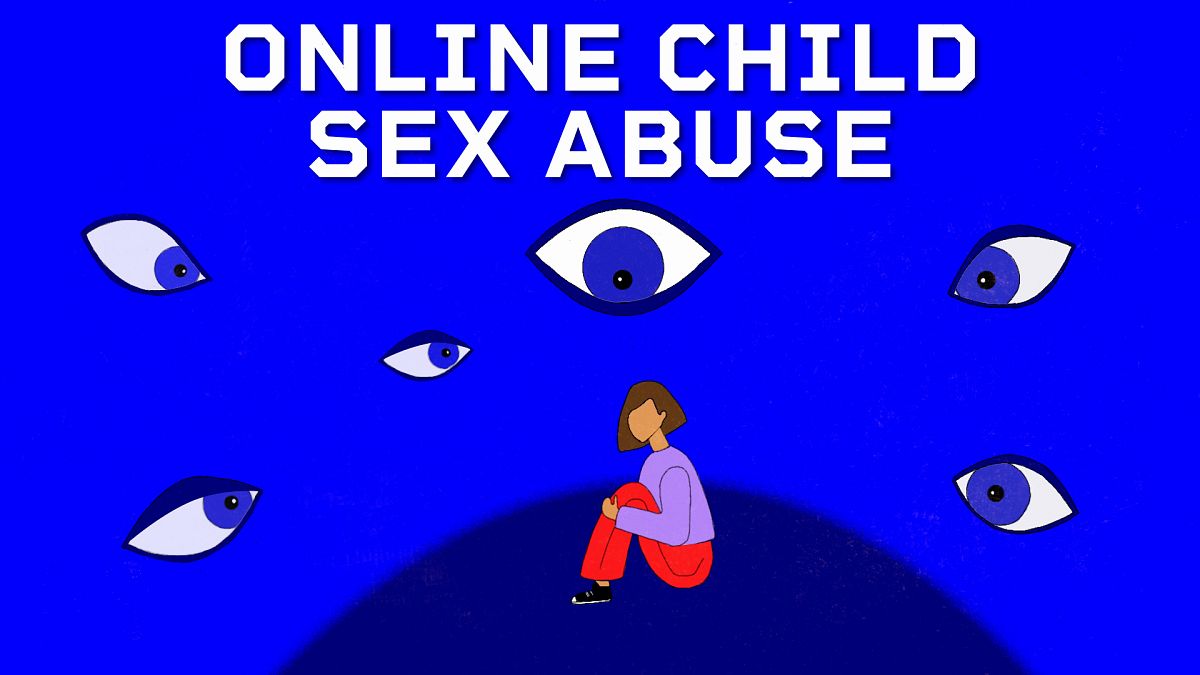
Child sexual abuse, a pervasive and escalating global issue, has found a fertile breeding ground in the anonymity and accessibility of the internet. This digital frontier poses significant challenges to combating these crimes, prompting the European Union to revise its legislative framework to address online offenses with the same rigor as those committed in the physical world. Current estimates suggest a staggering one in five children fall victim to sexual abuse, whether online or offline, underscoring the urgency of this issue. While EU member states made some headway in late 2024 by criminalizing certain forms of abuse, efforts to regulate online image sharing stalled due to concerns about potential infringements on data privacy rights. This delicate balancing act between protecting children and upholding individual privacy forms the crux of the ongoing debate.
The EU is currently developing two key instruments to combat online child sexual abuse. The first, the Child Sex Abuse Directive, aims to explicitly define online offenses, encompassing acts such as livestreaming sexual abuse and the dissemination of pedophilic material, including AI-generated content. This directive seeks to close legal loopholes that have allowed perpetrators to exploit the digital realm. The second instrument, the Child Sex Abuse Material regulation, will impose obligations on online service providers, particularly those offering chat and messaging services, which are frequently used to facilitate these crimes. This regulation would mandate the detection and removal of child sexual abuse material, coupled with reporting mechanisms to a newly established EU center. Crucially, this regulation could also extend to the scanning of encrypted messages, a highly controversial proposition given the implications for online privacy.
The debate surrounding access to encrypted messages lies at the heart of the legislative struggle. Proponents of stronger measures argue that access to platforms like WhatsApp and Signal, which rely on end-to-end encryption, is essential for effective law enforcement. They point to the fact that a significant portion of child sexual abuse material is shared through private messaging platforms, making these channels a critical battleground in the fight against these crimes. Failing to address this avenue of abuse, they contend, would leave vulnerable children unprotected. Organizations like ECPAT International, dedicated to eradicating child sexual exploitation, emphasize the urgent need to prioritize child safety in these digital spaces.
Conversely, privacy advocates and digital rights groups raise serious concerns about the potential for government overreach and mass surveillance if access to encrypted messages is granted. They argue that creating “backdoors” in encryption, even for legitimate law enforcement purposes, weakens the overall security of these systems, making them vulnerable to exploitation by malicious actors. This vulnerability could extend beyond investigations into child sexual abuse, impacting the security of sensitive financial transactions, confidential business communications, and personal data storage. Experts from organizations like the Internet Society emphasize the importance of robust encryption for the overall health and security of the internet ecosystem. Breaking encryption, they warn, could have far-reaching and unintended consequences.
The challenge, therefore, lies in finding a solution that effectively combats child sexual abuse while simultaneously safeguarding fundamental privacy rights. This requires a nuanced approach that considers both the urgent need to protect children and the potential risks of undermining encryption technologies. The current voluntary system, which allows online providers to detect, report, and remove child sexual abuse material, is set to expire in April 2026, adding further pressure to find a viable and sustainable solution. The EU must navigate this complex landscape carefully, ensuring that any new regulations are both effective in combating these heinous crimes and respectful of fundamental rights.
As the EU grapples with these complex issues, the clock is ticking. With the existing voluntary framework set to expire, there is a growing sense of urgency to establish a robust and effective legal framework. Poland, holding the EU Council presidency in the first half of 2025, will play a pivotal role in leading the ongoing negotiations. The outcome of these discussions will have significant implications for the future of online safety and privacy, not just within the EU but potentially globally. The challenge lies in finding a solution that adequately protects children without compromising the fundamental rights of internet users, a delicate balance that will require careful consideration and collaboration from all stakeholders.