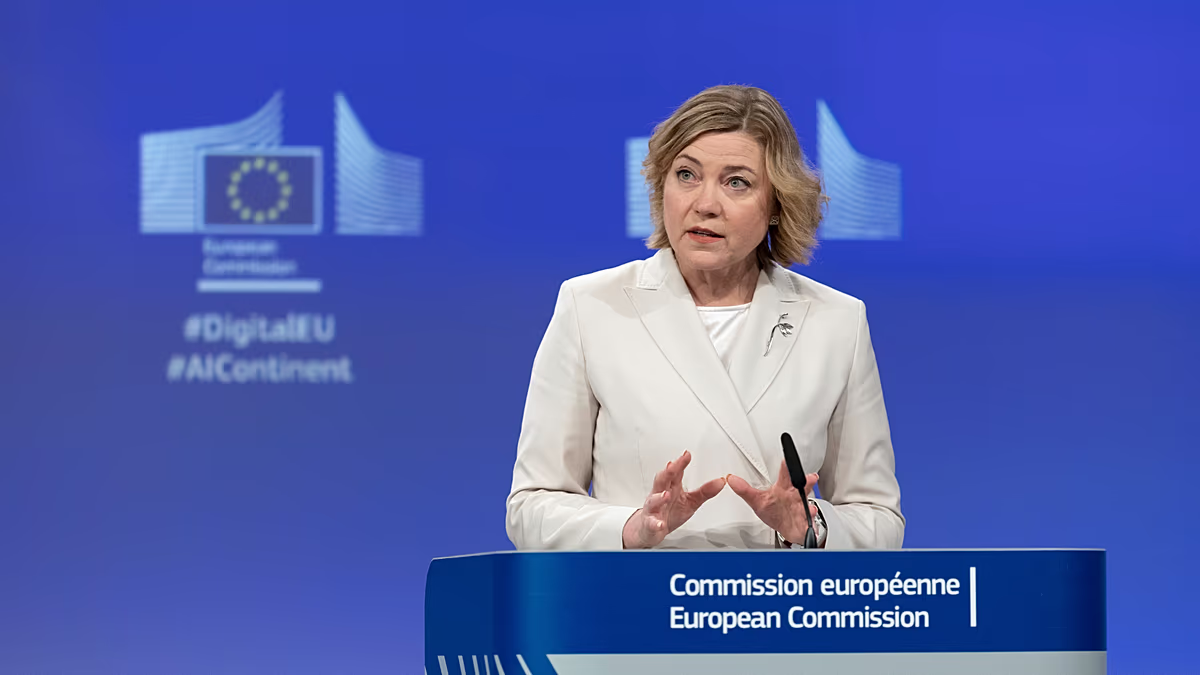
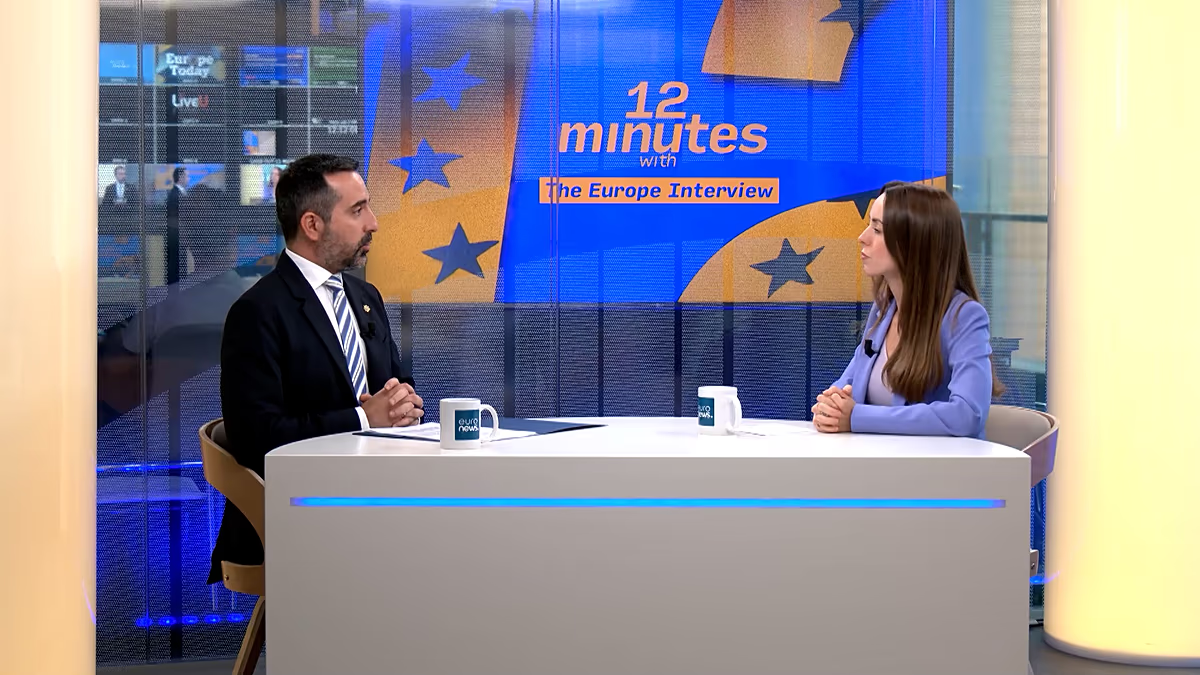



In a significant shift for European migration policy, the European Union has approved new regulations that will allow member states to establish deportation centers, termed “return hubs,” in third countries outside the bloc. This move, part of the broader EU Pact on Migration and Asylum, aims to address the persistent challenge of asylum seekers who have been denied the right to stay but remain within EU borders. Cypriot Deputy Minister for Migration, Nicholas Ioannides, framed the objective not as punitive, but as a necessary mechanism to ensure that “those who have no right to remain in the European Union will depart.” However, this policy pivot has ignited immediate and intense debate, with critics warning that it risks outsourcing the EU’s humanitarian responsibilities and endangering fundamental rights.
The core mechanism involves individual EU countries striking bilateral agreements with nations willing to host these offshore centers, where rejected asylum seekers would be transferred while awaiting deportation to their countries of origin. Proponents argue this is a pragmatic solution to a system where, on average, 27% of individuals ordered to leave the EU ultimately do not depart. Minister Ioannides cited a combination of factors for this, including some migrants’ non-cooperation and the occasional refusal of origin countries to accept returning nationals. The new rules, he explained, are designed to “exert pressure” through stricter detention rules and longer entry bans, aiming to incentivize compliance with repatriation processes.
Yet, the human rights implications loom large over the policy. Acknowledging these concerns as a “red line,” Minister Ioannides assured that agreements would include safeguards and that international organizations like UN agencies would be granted monitoring access to the hubs. He stated unequivocally, “We don’t want any violations of EU and international law.” However, when pressed on concrete plans for remedying rights breaches, the minister’s language turned less definite, admitting that member states are currently just “discussing ideas” and will need to develop “more tangible measures” now that the regulatory framework is in place. This gap between principle and enforceable practice is a primary source of anxiety for human rights advocates.
Particular vulnerability surrounds the fate of children within this system. While the regulation explicitly protects unaccompanied minors from being sent to third-country hubs, it does not extend the same blanket protection to children arriving with their families. Minister Ioannides emphasized that the “best interests of the child” would be a determining factor in any decision to transfer a family unit. Nonetheless, the prospect of detaining children, even with their parents, in offshore facilities—where oversight, however intended, may be challenging to guarantee—raises profound ethical questions about the physical and psychological welfare of some of the most vulnerable individuals caught in the migration system.
The urgency of these discussions is underscored by the political context. Cyprus, currently holding the rotating presidency of the Council of the EU, has prioritized tightening migration laws, viewing these return rules as the “missing piece” of the bloc’s policy overhaul. The full Pact enters into force imminently, setting a clock ticking on implementation. This momentum reflects a broader European political trend toward more stringent border management, yet it also sets the stage for complex legal and logistical challenges. Negotiating individual state-to-state deals will be a fragmented process, potentially leading to inconsistent standards and accountability mechanisms across the Union.
Ultimately, the new policy represents a high-stakes gamble. It seeks to enhance the effectiveness of returns—a long-standing Achilles’ heel of EU migration policy—by extending its operational reach beyond its own borders. Its success and humanity will hinge entirely on the “more tangible” safeguards Minister Ioannides promises are yet to be fully forged. The coming months will be critical as the EU transitions from passing this landmark regulation to the intricate and morally charged task of building the actual systems that will govern these offshore hubs. The world will be watching to see if the bloc can balance its operational objectives with its foundational commitment to human dignity and rights, ensuring that efficiency does not come at an unacceptable human cost.