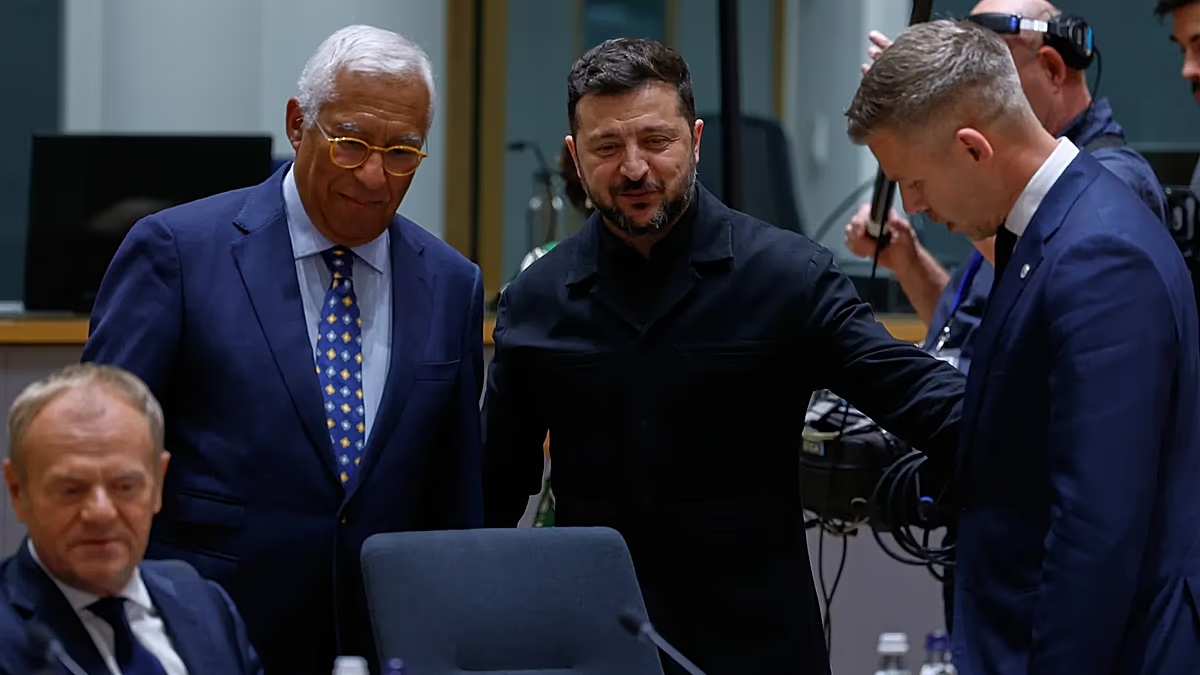



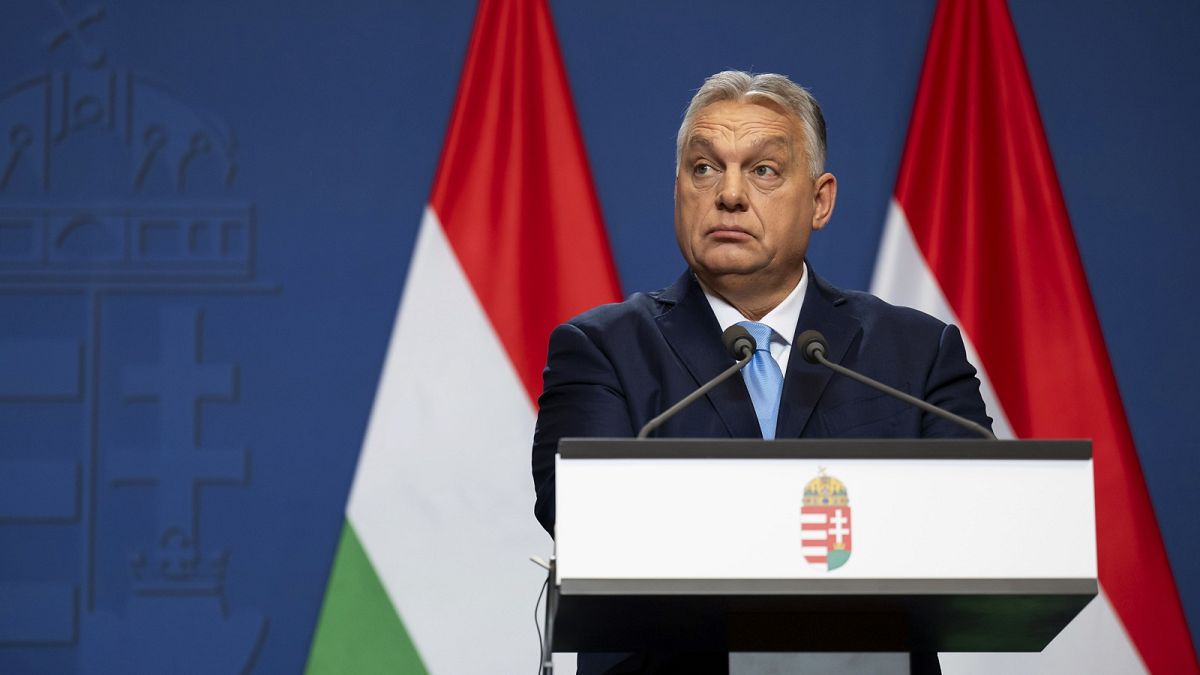
The European Union has successfully renewed its sectoral sanctions against Russia for another six months, overcoming a potential veto threat from Hungary. The sanctions, encompassing significant restrictions on trade, finance, and technology, as well as the freezing of Russian assets, were set to expire on January 31st. Hungary’s concerns, primarily related to energy security and specifically the transit of gas through Ukraine, had threatened to derail the renewal process. The resolution involved a statement acknowledging the importance of energy infrastructure integrity for EU security and promising consultations with Ukraine regarding gas and oil flows, satisfying Hungary’s demands for assurances regarding its energy supply.
Hungary’s initial resistance stemmed from a combination of factors. The country’s government had publicly questioned the efficacy and impact of sanctions, suggesting the need for a reassessment of the policy, particularly in light of the changing political landscape in the United States. Furthermore, Hungary linked the sanctions renewal to an ongoing dispute with Ukraine concerning gas transit, arguing that the reopening of pipelines through Ukraine was essential for Central European energy security. This linkage drew criticism from other EU members who viewed it as an inappropriate attempt to leverage sanctions for unrelated national interests.
The dispute over gas transit arose from Ukraine’s decision to terminate a long-term contract with Gazprom for the transit of Russian gas. Hungary and Slovakia, both landlocked countries dependent on this transit route, expressed concerns about the potential economic consequences of disrupted energy supplies. While Ukraine offered a potential compromise by suggesting the transit of Azeri gas through its territory, this proposal initially faced resistance from President Zelenskyy, who viewed it as potentially benefiting Russia.
The European Commission, which had supported Ukraine’s decision to terminate the Gazprom contract, maintained that the impact on EU energy security would be minimal due to existing diversification efforts and preparedness for transitioning away from Russian fuels. The Commission’s statement addressing Hungary’s concerns affirmed the importance of energy infrastructure security and pledged further discussions with Ukraine regarding gas transit, while also acknowledging Hungary’s and Slovakia’s interests in the matter. This commitment to dialogue and recognition of energy security concerns ultimately paved the way for Hungary to drop its veto threat and allow the sanctions renewal.
This resolution, while significant, marks only a temporary reprieve in the ongoing challenge of maintaining a unified EU stance against Russia. The agreement focuses on addressing Hungary’s immediate concerns related to energy security without explicitly conceding to its demands for reopening Russian gas transit through Ukraine. Instead, it emphasizes the importance of consultations with Ukraine and the consideration of alternative sources, like Azeri gas, while also respecting Ukraine’s international obligations. The delicate balance struck in this agreement highlights the complexities of navigating the diverse interests and priorities within the EU while upholding a common policy towards Russia.
While this particular hurdle has been overcome, the underlying tensions and differing perspectives on the sanctions regime remain. The EU is already preparing a 16th package of sanctions against Russia, planned for implementation before the third anniversary of the war in late February. Achieving unanimity on this next round of sanctions will likely require further delicate negotiations and compromises, as member states continue to grapple with the economic and political ramifications of the ongoing conflict and the necessity of maintaining a united front against Russia. The recent episode with Hungary serves as a reminder of the challenges inherent in coordinating a complex foreign policy response across a diverse bloc of nations, each with its own specific concerns and priorities.