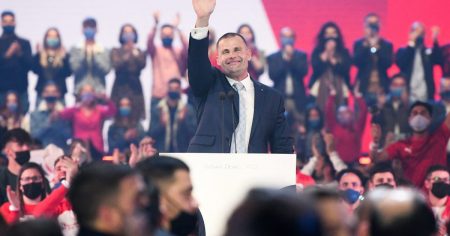



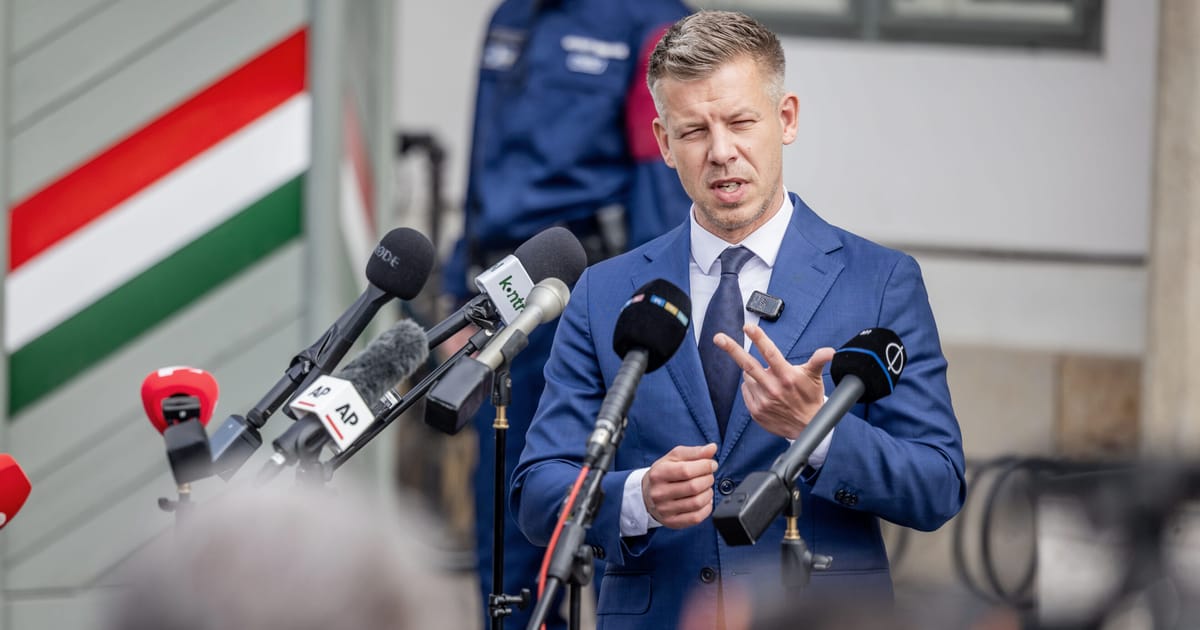
In a dramatic political reversal for Hungary, the long and dominant tenure of Prime Minister Viktor Orbán has come to a decisive end. The 2026 parliamentary election results delivered a seismic shift, with Orbán’s Fidesz party, which had governed for nearly two decades, relegated to a distant second place with a mere 52 seats in the parliament. This resounding defeat cleared the path for Péter Magyar, a former insider turned reformer, to claim a historic victory. The scale of his win was so profound that it granted him a supermajority in the legislative body, a political tool of immense power that he immediately framed as both an extraordinary opportunity and a profound obligation to the Hungarian people. With this mandate, Magyar stands poised to initiate a comprehensive redirection of the nation’s course, both domestically and within the European community.
The architect of this new era, Péter Magyar, moved swiftly to acknowledge the weight of the public’s decision. In a statement on social media, he reflected on the election outcome, calling it “an unprecedented majority, an unprecedented mandate — and, at the same time, an unprecedented responsibility.” He noted that his official inauguration as prime minister was anticipated for mid-May, marking the start of a new chapter. This transition of power signifies more than just a change in leadership; it represents a fundamental rejection of the previous administration’s contentious policies, particularly those concerning governance and international relations. Magyar’s overwhelming parliamentary support is the very instrument that will allow him to pursue an ambitious agenda of democratic and institutional reforms without the legislative gridlock that often hampers new governments.
Central to Magyar’s urgent reform agenda is the need to reconcile Hungary’s relationship with the European Union and unlock billions of euros in frozen funds. Under Orbán’s leadership, the EU had suspended approximately €17 billion in cohesion and recovery money due to serious and persistent concerns over corruption, the erosion of judicial independence, and systemic failures in the rule of law. To access this critical funding, the new government must successfully meet 27 specific EU-mandated conditions, known as “super milestones.” These requirements are designed to overhaul Hungary’s public procurement system to ensure transparency, fortify the autonomy of the judiciary from political influence, and guarantee greater academic and intellectual freedom. Magyar’s supermajority provides him the legislative muscle to potentially enact these complex reforms with the speed that the situation demands.
Recognizing the pressing timeline, Magyar and his designated ministerial team wasted no time in initiating high-level discussions with European Commission officials. Over the weekend following the election, they met in Budapest with European Commission President Ursula von der Leyen’s chief of staff, Bjoern Seibert, along with several key director-generals. The talks served a dual, interconnected purpose: to chart a practical roadmap for releasing Hungary’s frozen EU funds and to address the €90 billion EU loan package for Ukraine, which had been blocked by Orbán’s veto. The European Commission confirmed the productive nature of these early discussions in a Sunday statement, emphasizing they were “an early opportunity for practical discussions on how to move forward and make real progress to unlock EU funds.” They underscored that the necessary, detailed work to address corruption and rule-of-law shortcomings would continue in the weeks ahead.
The matter is underscored by a genuine race against the clock. A significant portion of the frozen money, specifically €10 billion allocated under the EU’s post-pandemic recovery fund, faces an expiration date of August 31st. If Hungary fails to meet the required milestones and claim this allocation by the deadline, those crucial resources for economic modernization and growth could be lost permanently. This financial pressure adds a layer of intense urgency to the new government’s reform efforts. Concurrently, the EU has signaled a potential swift move on the Ukraine aid package, indicating that the first loan payment to Kyiv could be authorized as early as the end of May. However, this is explicitly contingent on Prime Minister-elect Magyar fulfilling his commitment to formally lift Hungary’s veto, a move that would instantly mend a major fissure in European solidarity.
Thus, the victory of Péter Magyar has instantly reshaped the political landscape of Central Europe and altered Hungary’s trajectory. The decisive election results have replaced a government known for its confrontational “illiberal” stance with one pledging a return to democratic norms and proactive European partnership. The immediate, substantive talks with EU leaders demonstrate a mutual desire to reset the relationship. For Magyar, the path forward involves navigating a complex and urgent dual challenge: rapidly implementing deep structural reforms at home to restore institutional integrity, while simultaneously acting on the international stage to unblock vital support for a war-torn ally. The supermajority granted by Hungarian voters is the key that can turn these promises into reality, setting the stage for a transformative period that will determine the nation’s place in Europe for years to come.