



In an era where travelers seek deeper connections and authentic experiences, the definition of a remarkable hotel has evolved. It is no longer solely about thread count and flawless service; the most compelling destinations are those that serve as a true gateway to the soul of a place. Recognizing this shift, travel authority Afar has curated a list of the world’s 40 best new and renovated hotels, each celebrated for its ability to encapsulate the unique spirit of its locale. From historic landmarks lovingly revived to contemporary sanctuaries in emerging destinations, these properties are designed for the curious traveler. Of this prestigious selection, eleven are scattered across Europe, offering a mosaic of experiences that range from Alpine serenity to urban renaissance, proving that the continent continues to reinvent its hospitality with both reverence for the past and a bold eye toward the future.
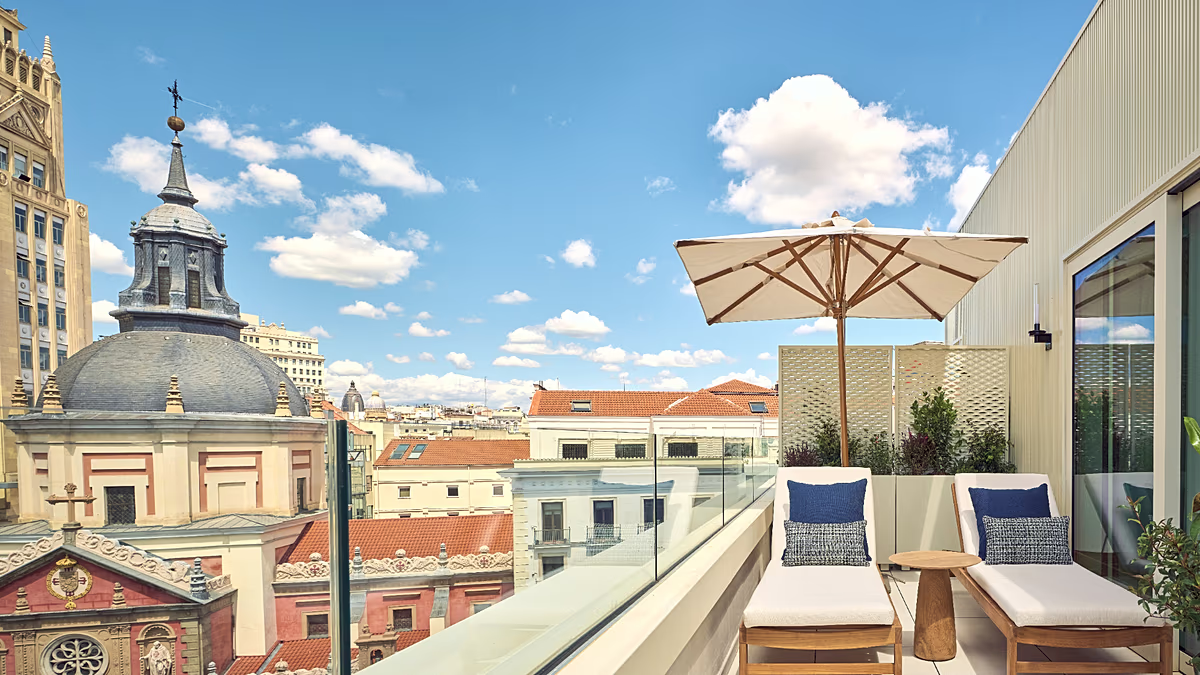
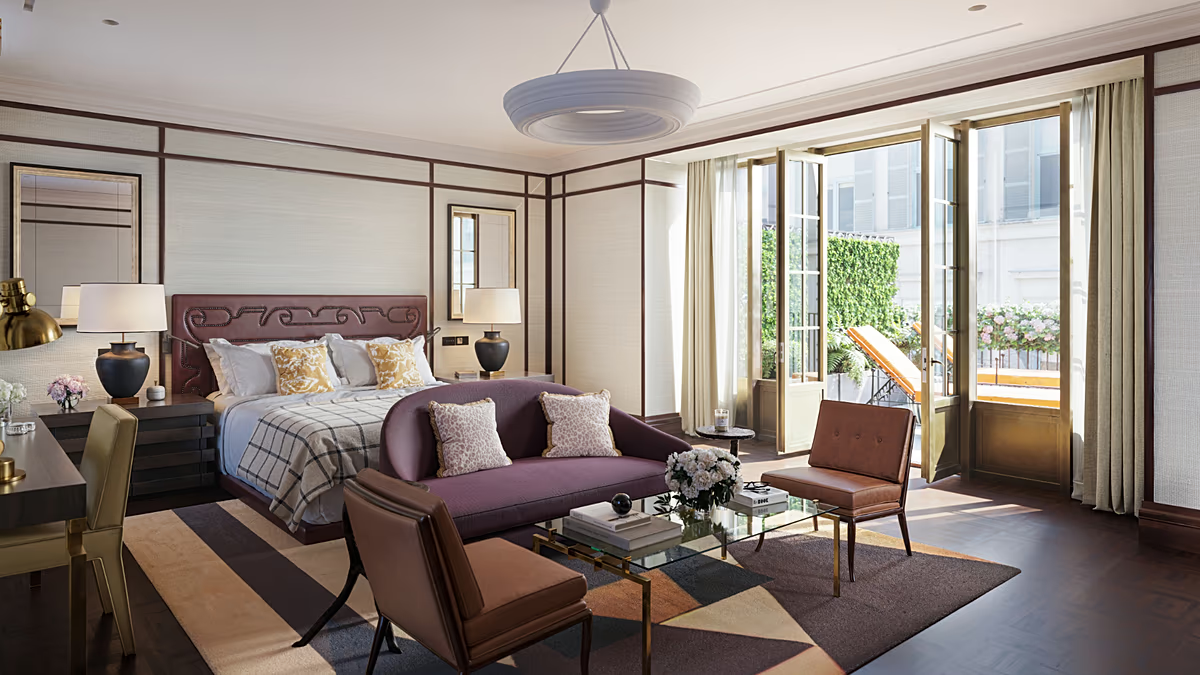
Europe’s selections are a testament to the power of narrative, where history and modernity engage in a captivating dialogue. In Florence, the Collegio alla Querce reimagines a 16th-century school into a tranquil haven, where views of the Duomo meet Tuscan countryside vistas, and a cocktail bar now resides in the former principal’s office. Similarly, Bucharest’s Corinthia Grand Hotel du Boulevard resurrects a 1867 Belle Époque jewel, once the scene of royal galas, now offering a gateway to the Romanian capital’s vibrant revival. In Rome, the legendary Orient Express La Minerva weaves the romance of rail travel into a noble residence, its rooftop providing one of the city’s most coveted panoramas. These are not mere places to sleep; they are portals to another time, inviting guests to become part of a continuing story.
Beyond the grand cities, a quieter, more introspective trend emerges, celebrating rustic charm and profound connections to nature. In the Swiss Engadin Valley, Chesa Marchetta transforms a 16th-century farmhouse into an artful Alpine retreat, where locally crafted furniture and a hyper-seasonal restaurant root you firmly in the landscape. On Sweden’s island of Gotland, Sibbjäns operates from a working farm, pairing cozy barn aesthetics with a rigorous commitment to sustainability, creating a model of circular, mindful living. In South Devon, Fowlescombe Farm offers a slower pace across 450 acres, where suites in converted barns are furnished with details from the estate itself, and days are spent exploring Dartmoor or practicing yoga in a greenhouse. These retreats offer a sanctuary of simplicity, where the rhythm of the land dictates the pace of the day.
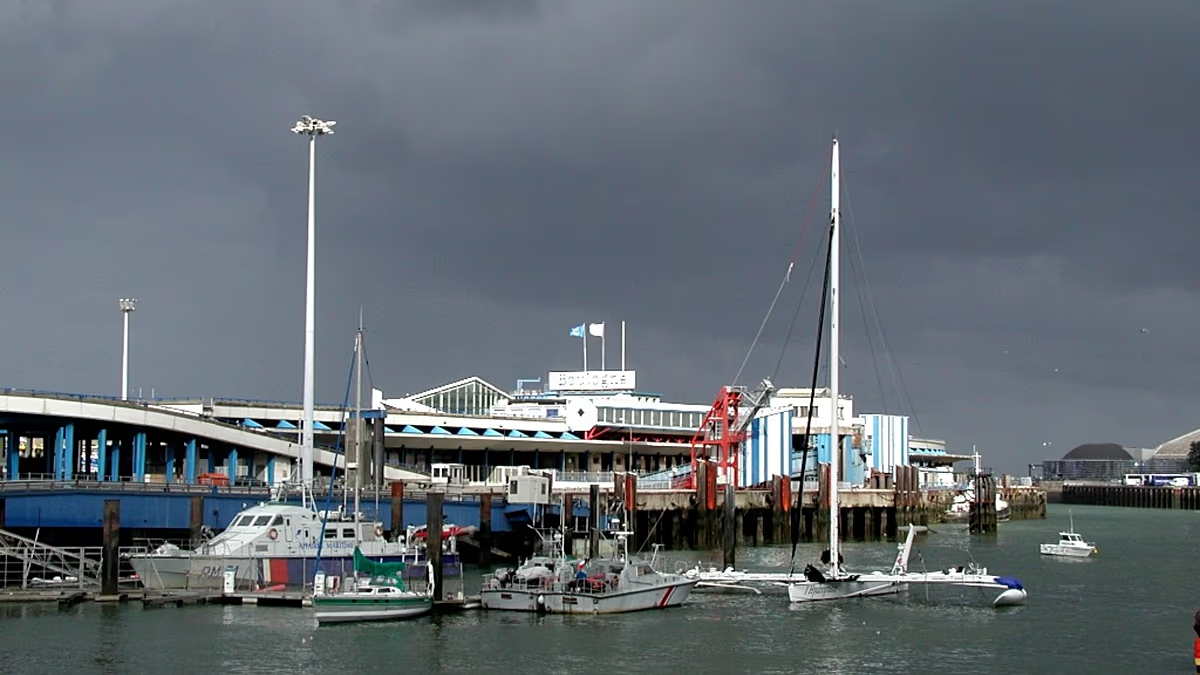
The list also highlights destinations forging new identities, transforming perceived gateways into compelling final destinations. Frankfurt’s The Florentin, set in a majestic former bank, challenges the city’s business-centric reputation with warm, design-forward interiors and a celebrated restaurant, perfectly timed for its turn as World Design Capital 2026. In London’s Fitzrovia, The Newman draws inspiration from the neighborhood’s artistic legacy, creating an Art Deco-inspired social hub meant for both locals and guests. Perhaps most strikingly, Les Bassans on Brittany’s Pink Granite Coast offers a dramatic alternative to the Mediterranean, where a 1920s villa provides a front-row seat to wild, seabird-filled skies and rugged walking trails. These hotels are catalysts, inviting a rediscovery of places waiting to be seen in a new light.
The renaissance of mid-century design and unwavering commitment to place-based authenticity is powerfully exemplified in Milan’s The Carlton. Following a meticulous five-year restoration, this 1960s icon pays homage to Milanese design legends like Gio Ponti, while interiors by renowned designers create an atmosphere of effortless, modern luxury. This same ethos of curated locality shines in Crete’s Tella Thera, where suites are carved into the hillside above Kissamos Bay. Here, the experience is immersively Cretan: spa treatments utilize local olive oil, excursions lead to the stunning Balos Lagoon, and the zero-waste restaurant, Anemoia, tells a story of the island through each seasonal dish. In these spaces, luxury is defined by authenticity and a profound sense of belonging.
Ultimately, Afar’s curated European selections present a compelling new blueprint for travel. They move beyond transactional stays to offer deeply embedded experiences, whether through the preservation of architectural heritage, a celebration of hyper-local design and cuisine, or a harmonious partnership with the natural environment. These hotels understand that the modern traveler seeks not just comfort, but connection—to history, to culture, and to the distinctive essence of a destination. They stand as invitations to linger, learn, and engage, promising that the most memorable journeys are those where the accommodation itself becomes an integral, unforgettable chapter of the adventure.