




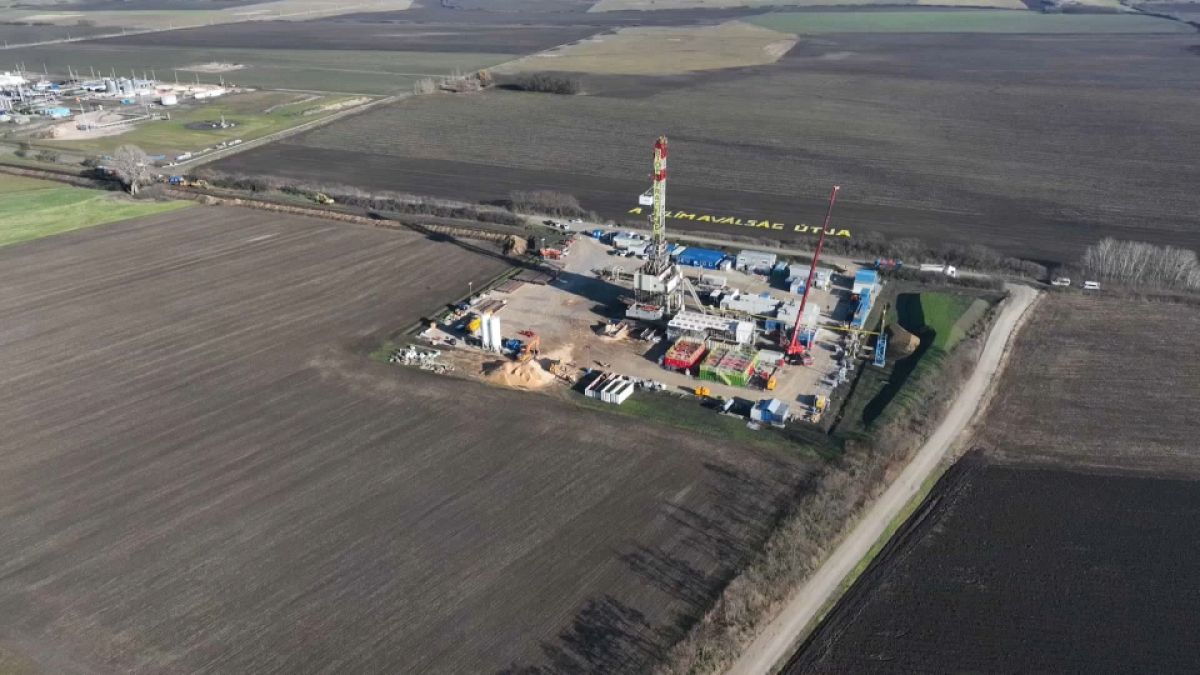
Hydraulic fracturing, commonly known as fracking, is a controversial gas extraction technique that involves injecting a high-pressure mixture of water, sand, and chemicals deep underground to fracture shale rock formations and release trapped natural gas. While touted as a means to enhance energy independence and reduce reliance on foreign energy sources, fracking has faced significant opposition due to its potential environmental and health risks.
The core process of fracking involves drilling vertically several kilometers into the earth’s crust, followed by horizontal drilling through the shale rock layer. A fracking fluid, composed primarily of water and sand but also containing chemical additives such as acids and biocides, is then pumped under immense pressure into the horizontal wellbore. This high-pressure injection fractures the shale rock, creating pathways for the trapped natural gas to flow back up the well. The sand within the fracking fluid acts as a proppant, keeping the newly created fractures open and facilitating gas extraction. While the majority of the fracking fluid is intended to return to the surface, a significant portion can remain trapped underground, raising concerns about groundwater contamination.
The chemical composition of the fracking fluid is a major point of contention. While proponents of fracking maintain that the chemical concentrations are too low to pose a significant threat, critics argue that the long-term impacts of these chemicals on human health and the environment are not fully understood. The presence of potentially harmful substances like benzene, a known carcinogen, in the fracking fluid further fuels these concerns. Studies in various regions have detected these chemicals, including benzene, in groundwater near fracking sites, suggesting a potential link between fracking operations and water contamination. Furthermore, the disposal of wastewater generated during the fracking process presents another environmental challenge, as this wastewater often contains high levels of dissolved solids, heavy metals, and radioactive materials.
The environmental impacts of fracking extend beyond potential groundwater contamination. The process requires vast quantities of water, placing a strain on local water resources, particularly in arid or semi-arid regions. The disposal of the wastewater, which can be millions of gallons per well, also presents a significant logistical and environmental hurdle. In addition to water concerns, fracking has been linked to induced seismicity, or man-made earthquakes. The injection of large volumes of wastewater deep underground can alter pressure conditions along fault lines, triggering earthquakes, even in regions not typically seismically active.
The controversy surrounding fracking has led to outright bans or moratoriums on the practice in several European countries, including Germany, France, the Netherlands, Slovenia, and Bulgaria. These countries have prioritized the potential environmental and health risks over the perceived economic benefits of increased gas production. However, other countries, like Hungary, continue to permit fracking, sparking ongoing debate and protests from environmental groups.
Greenpeace, an international environmental organization, has been particularly active in opposing fracking, raising awareness about its potential risks, and advocating for stricter regulations. They have conducted independent air and water quality monitoring near fracking sites, often revealing the presence of harmful chemicals exceeding permitted limits. These findings underscore the importance of independent monitoring and transparency in the fracking industry. Furthermore, Greenpeace emphasizes the need to transition away from fossil fuels, including natural gas extracted through fracking, towards renewable energy sources to mitigate climate change. They argue that investing in renewable energy technologies, such as solar and wind power, offers a more sustainable and environmentally sound path to energy security.