




Of course. Here is a summary and humanized version of the article, expanded into six paragraphs.
A significant financial burden has been lifted for nearly half a million electric vehicle drivers in the UK. Due to a change in tax rules, many owners of new electric cars will no longer be required to pay an annual £425 “luxury vehicle” charge. This shift is the result of the government raising the threshold for the Expensive Car Supplement—often dubbed the luxury car tax—from £40,000 to £50,000, effective from April 2026. For drivers, this isn’t just a minor adjustment; it represents a substantial saving of £425 every year for the five years the charge applies, totaling a saving of £2,125 per vehicle. This policy change directly benefits over 475,000 drivers, making electric motoring more accessible and less penalizing for those choosing mid-range models.
The context of this change is crucial. Previously, electric vehicles enjoyed an exemption from this additional charge, a perk designed to encourage their adoption. However, that exemption ended for EVs registered after April 1, 2025, meaning any electric car with a list price of £40,000 or more suddenly faced the same annual fee as expensive petrol or diesel cars. The new £50,000 threshold effectively reinstates a layer of protection for a wide segment of the EV market. It means popular models priced between £40,000 and £50,000, which were poised to become more costly, have now been granted a reprieve. This move is seen as a welcome correction, aligning the tax policy more closely with the goal of incentivizing cleaner transportation without unfairly taxing moderately priced electric options.
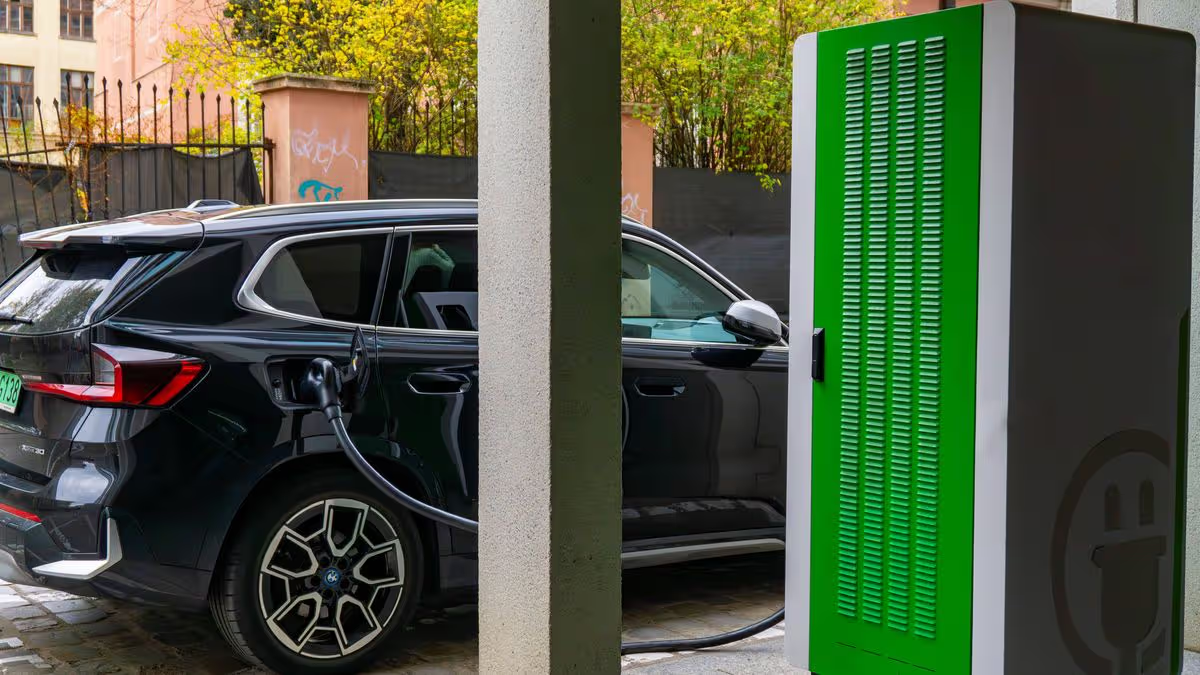
Concretely, this change alters the financial calculus for prospective buyers looking at a host of popular electric models. Cars like the BYD Sealion 7 Comfort, with a price tag of £46,990, will now avoid the £425 annual surcharge entirely. Similarly, certain configurations of BMW’s iX1 and iX2 electric lineups now comfortably sit beneath the new tax threshold when chosen with standard specifications. This instantly makes these vehicles more attractive on a long-term cost basis. As motoring expert Alex Lee notes, this saving provides “more choice when it comes to mid-range EVs,” effectively broadening the affordable market for consumers who are comparing total ownership costs, not just the sticker price.
However, it is imperative for consumers to approach this news with cautious optimism. The expert warning included in the article is a vital piece of advice: not all models will be exempt. The £50,000 threshold applies to the car’s official list price. Therefore, many vehicles, especially those from premium brands like Audi, BMW, and Skoda, can easily exceed this new limit when selected with higher trim levels, optional packages, or additional features. A base model might slip under the line, while a more equipped version of the same car could trigger the charge. Drivers must scrutinize the specific price of the exact vehicle they are configuring, not just the model name, to avoid unexpected costs.
Looking ahead, this policy adjustment signals a nuanced approach by the government. It acknowledges that the electric vehicle market has matured, with a fuller spectrum of prices, and seeks to avoid stifling its growth by taxing what are now considered mainstream, rather than “luxury,” electric cars. The savings will directly improve the cost-of-ownership equations for individuals and potentially influence broader market dynamics, making mid-priced EVs more competitive against their fossil-fuel equivalents. It’s a step that balances fiscal policy with environmental and consumer goals, though its success will depend on clear communication to ensure buyers understand the precise rules.
In conclusion, the increase of the Expensive Car Supplement threshold to £50,000 is a meaningful win for a large group of EV owners and future buyers. It removes a looming additional cost for nearly 500,000 drivers, promoting fairness and continued support for electric adoption. Yet, the responsibility now shifts to the consumer to be meticulously informed. The key takeaway is not that “luxury car tax” is gone, but that its boundary has been moved. By carefully checking individual vehicle prices against the £50,000 mark before purchase, drivers can confidently secure their £2,125 saving over five years and contribute to a cleaner transport future without an unnecessary financial penalty.